

Introduction
Have you ever walked into a friend’s home and instantly felt at ease — the furniture placed just right, the walls painted in colors that felt warm but not overwhelming, and every little detail quietly working together? That feeling does not happen by accident. It comes from knowing the right moves, understanding space, and applying smart, tested strategies. That is exactly what drhomey handy tips are all about — giving homeowners, renters, and DIY enthusiasts the kind of practical, professional knowledge that used to live only in the minds of expensive interior designers and skilled contractors.
Whether you are moving into a new place, refreshing a tired bedroom, or trying to figure out why your living room never feels quite right, this guide covers the kind of actionable advice that makes a real difference. The ideas collected here pull from the world of drhomey interior design, drawing on proven principles, real-world problem-solving, and the sort of tricks that professionals rely on but rarely talk about publicly. Think of it as the handbook your home has been waiting for.
Home improvement does not have to be expensive, complicated, or stressful. With the right knowledge and a willingness to experiment, even small changes can produce dramatic results. The philosophy behind interior design drhomey is simple: your home should serve your life, reflect your personality, and feel genuinely comfortable — every single day.
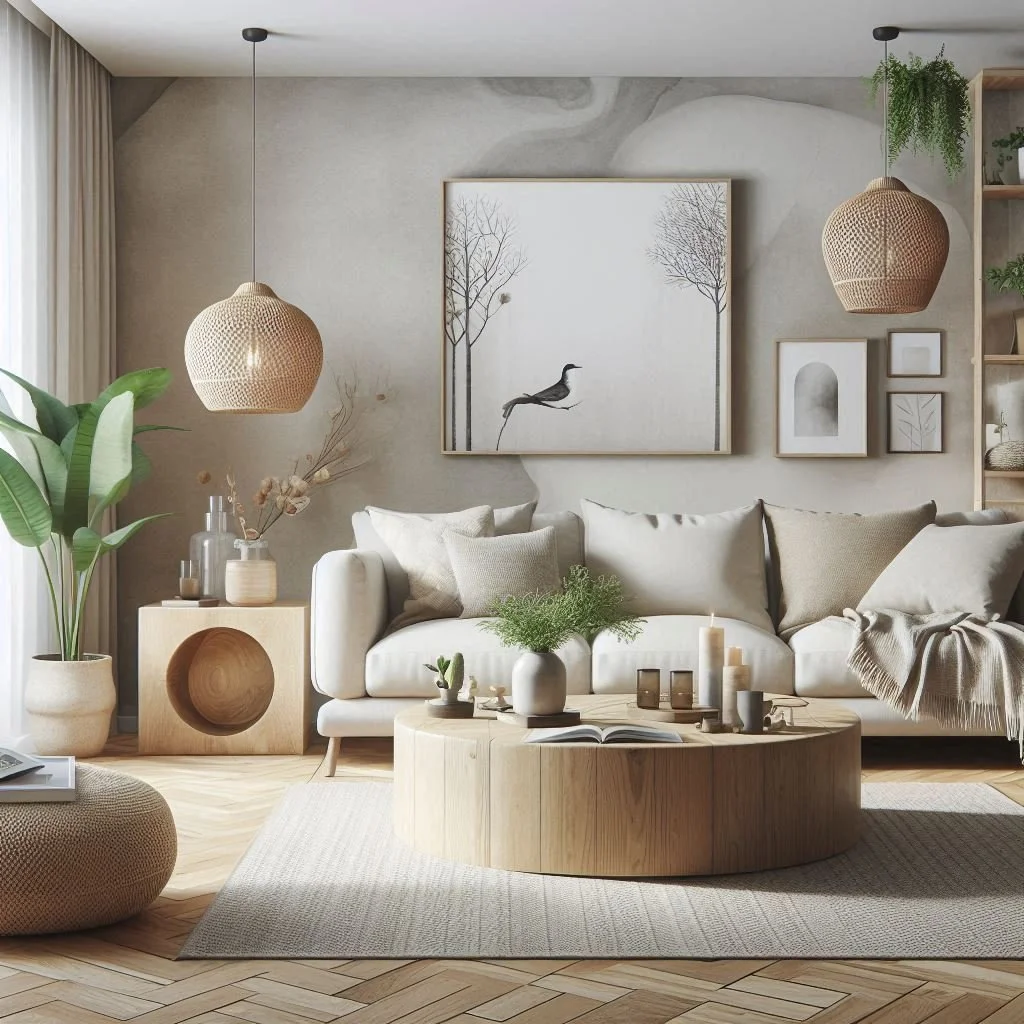
A well-arranged living room demonstrates how light, proportion, and color work together — core principles in drhomey interior design.
Why DrHomey Handy Tips Are Different From Generic Home Advice
The internet is packed with home improvement content — but most of it is either too vague to act on, too expensive to be realistic, or recycled from sources that clearly have not spent much time actually living in and improving real homes. What makes tips drhomey stand apart is their grounding in real situations. These are not aspirational magazine spreads designed for homes with unlimited budgets. They are honest, tested approaches that work in apartments, starter homes, rental units, and everything in between.
Good home advice must account for the messy truth of real life — limited budgets, awkward room shapes, furniture you cannot afford to replace, and walls you are not allowed to paint if you are renting. The best drhomey handy tips meet you where you actually are, not where you wish you could be.
The Foundation: Understanding Your Space Before Touching Anything
Before you buy a single item, move a single piece of furniture, or open a paint can, you need to understand your space. This means measuring — not just the room, but the doorways, the ceiling height, the natural light patterns throughout the day, and the traffic flow through the room. More failed home projects begin with skipping this step than any other mistake.
- Measure twice, buy once: Always know your room dimensions, including ceiling height, before purchasing furniture or rugs.
- Map the natural light: Observe how sunlight moves through each room across morning, afternoon, and evening.
- Identify traffic zones: Know where people naturally walk so you never block those paths with furniture.
- Note the room’s focal points: Every room has a natural anchor — a fireplace, a window, a built-in shelf — and your design should acknowledge it.
- Check your outlets and vents: These practical elements limit where large pieces can reasonably go.
💡 PRO TIP
Use painter’s tape on your floor to simulate furniture placement before buying anything. This simple trick, a staple in drhomey interior design, can save you from expensive mistakes and hours of frustration.
Room-by-Room Interior Design DrHomey Strategies
Every room in your home has its own personality, function, and set of design challenges. A strategy that works brilliantly in a living room can feel completely wrong in a bedroom. Understanding what each space needs — and what it should never have — is the core of intelligent home design.
Living Room: Creating a Space That Invites Connection
The living room is most people’s first serious design project, and it is also where the most common mistakes happen. Furniture pushed up against every wall, rugs that are too small, lighting limited to a single overhead fixture — these are the hallmarks of a living room that never feels quite right. Applying drhomey interior design principles here means thinking in layers: layout first, lighting second, accessories last.
Floating your furniture — pulling sofas and chairs slightly away from the walls — instantly makes a room feel more curated and conversational. Pair this with a rug that is large enough for all the front legs of your seating to rest on it, and you have created a defined zone that feels intentional. Then layer your lighting: overhead for general ambiance, floor lamps for reading corners, table lamps for warmth, and perhaps a dimmer on the main fixture so you can shift the mood throughout the day.
Bedroom: Designing for Rest, Recovery, and Calm
Sleep science has taught us a great deal about what bedroom environments support genuine rest — and most people’s bedrooms violate nearly all of it. The bedroom should be a sanctuary: cool, dark, quiet, and visually calm. One of the most important tips drhomey for bedrooms is to ruthlessly edit what goes in there. Screens, exercise equipment, work materials, and piles of laundry all tell your nervous system that this is a room for activity, not restoration.
On the design side, the bed should be the undisputed focal point. Center it on the longest wall when possible, add bedside tables of equal height on both sides, and invest in the best bedding you can afford. Color-wise, soft neutrals, cool blues, muted greens, and warm grays are consistently the best performers for sleep-supportive spaces.
Kitchen: Function First, Beauty Always
The kitchen is where most families spend a surprising amount of time, yet it is often the room that receives the least thoughtful design attention. Following interior design drhomey principles in the kitchen means respecting the work triangle — the efficient path between your refrigerator, sink, and stove — while also finding opportunities to add warmth and personality to what is often a very utilitarian space.
Open shelving is one of the most debated kitchen design choices. Done well, with curated, uniform dishware and neatly arranged ingredients, it looks magazine-worthy. Done carelessly, it becomes visual chaos. Cabinet hardware is another high-impact, low-cost upgrade — simply swapping out old pulls and knobs can give an entire kitchen a fresh, modern feel for a fraction of the cost of new cabinets.
“Your home is not a showroom. It is a living environment, and every design decision should serve the people who actually live there.”
The Color Secrets Behind Every Great Home
Color is the single most powerful and most misunderstood tool in interior design. It affects mood, perception of space, the way natural light reads in a room, and how comfortable people feel spending time in it. The good news: you do not need a design degree to use color well. You just need to understand a few key principles that the professionals rely on.
The 60-30-10 Rule Explained Simply
This is perhaps the most famous guideline in all of interior design, and for good reason — it works. The concept is straightforward: 60% of a room’s color should come from the dominant color (typically walls and large furniture), 30% from a secondary color (upholstery, curtains, an area rug), and 10% from an accent color (throw pillows, artwork, plants, decorative objects). This ratio creates visual balance without making a space feel either monotonous or chaotic.
Understanding Undertones Before You Paint
One of the most common — and most expensive — painting mistakes is choosing a color based on a small paint chip under store lighting, then discovering it looks completely different once it is on your walls in your home’s actual light. The culprit is almost always undertones. Every paint color has a subtle undertone that becomes visible once it interacts with your room’s light, your flooring, and your furniture.
Always test paint on large pieces of cardboard (at least 12″ x 12″) and observe them at different times of day before committing to a full paint job. This is one of the most consistently recommended drhomey handy tips for anyone considering repainting — and it has saved countless homeowners from expensive do-overs.
DRHOMEY INFOGRAPHIC — INTERIOR DESIGN BY THE NUMBERS
What Research Says About Home Design Impact
| 🪑 73% of people say furniture arrangement affects how comfortable they feel at home | 🎨 60-30-10 Color rule used by professional designers for balanced spaces | 💡 3 layers Ambient, task & accent lighting — the formula for a well-lit room | 📐 18 inches Ideal clearance between sofa and coffee table for comfort |
Practical DrHomey Handy Tips for Home Repairs and Maintenance
Beautiful interiors are only part of the story. A home that looks great but has a dripping faucet, squeaky doors, drafty windows, and scuffed walls is not a comfortable place to live. Mastering basic home repair skills is just as important as understanding design — and many homeowners are far more capable of handling these things themselves than they realize.

Practical handy skills go hand-in-hand with great interior design — the DrHomey approach combines both for a complete home transformation.
The Repairs Every Homeowner Should Know How to Do
- Fixing a running toilet: Almost always caused by a faulty flapper or fill valve — both are inexpensive and replaceable in under 30 minutes with basic tools.
- Patching drywall holes: Small to medium holes can be patched with a kit from any hardware store and painted to match, no professional needed.
- Re-caulking bathroom tile: Old, moldy caulk makes bathrooms look dingy. Removing it and applying fresh caulk is straightforward and makes an enormous visual difference.
- Silencing squeaky floors and doors: Squeaky floors often just need a screw driven into the subfloor; squeaky door hinges usually need just a drop of lubricant.
- Replacing outlet covers and switch plates: Old yellowed covers make a room look dated. Replacing them takes seconds and costs almost nothing.
- Cleaning HVAC filters: This single task, done monthly, improves air quality and reduces energy bills — and takes about five minutes.
🔧 HANDY TIP
Keep a simple toolkit in a convenient location: a hammer, flathead and Phillips screwdrivers, a level, a tape measure, and a cordless drill cover 90% of everyday home repairs. This is the kind of practical readiness that defines the tips drhomey philosophy.
Seasonal Home Maintenance: What to Do and When
One of the least glamorous but most important aspects of home ownership is seasonal maintenance. Homes that are proactively maintained stay in better condition, require fewer expensive repairs, and feel more comfortable year-round.
In spring, inspect your roof for winter damage, clean gutters, check window and door seals, and test smoke and carbon monoxide detectors. Summer is the time to service your air conditioning, inspect your deck or patio for damage, and seal any exterior gaps. Autumn means cleaning gutters again, checking heating systems, and insulating exposed pipes. Winter maintenance focuses on monitoring for ice dams, keeping pipes from freezing, and ensuring your home is well-sealed against cold air infiltration.
Small Space Solutions: Big Ideas from Interior Design DrHomey
Designing a small space is actually harder than designing a large one. In a big room, you have room to hide mistakes and fill gaps. In a small apartment or compact home, every decision is visible and every mistake is amplified. Getting small spaces right requires a specific set of strategies that interior design drhomey practitioners have refined over years of working with real-life constraints.
Vertical Space: The Most Underused Resource in Small Homes
Most people design for the floor. They think about where furniture goes on the ground plane. But in small spaces, the walls above the furniture line — and even the ceiling itself — are valuable real estate. Tall bookshelves that reach toward the ceiling, high-mounted floating shelves, lofted storage in closets, and curtain rods hung near the ceiling (which makes windows look larger and ceilings feel higher) are all vertical solutions that expand a room’s perceived and practical space dramatically.
The Power of Mirrors in Compact Spaces
Few design tools are as reliable and cost-effective as a well-placed mirror. A large mirror on one wall of a small room effectively doubles its apparent size by reflecting light and the opposite side of the room. For maximum impact, position mirrors where they can reflect natural light sources — opposite a window is almost always the right move.
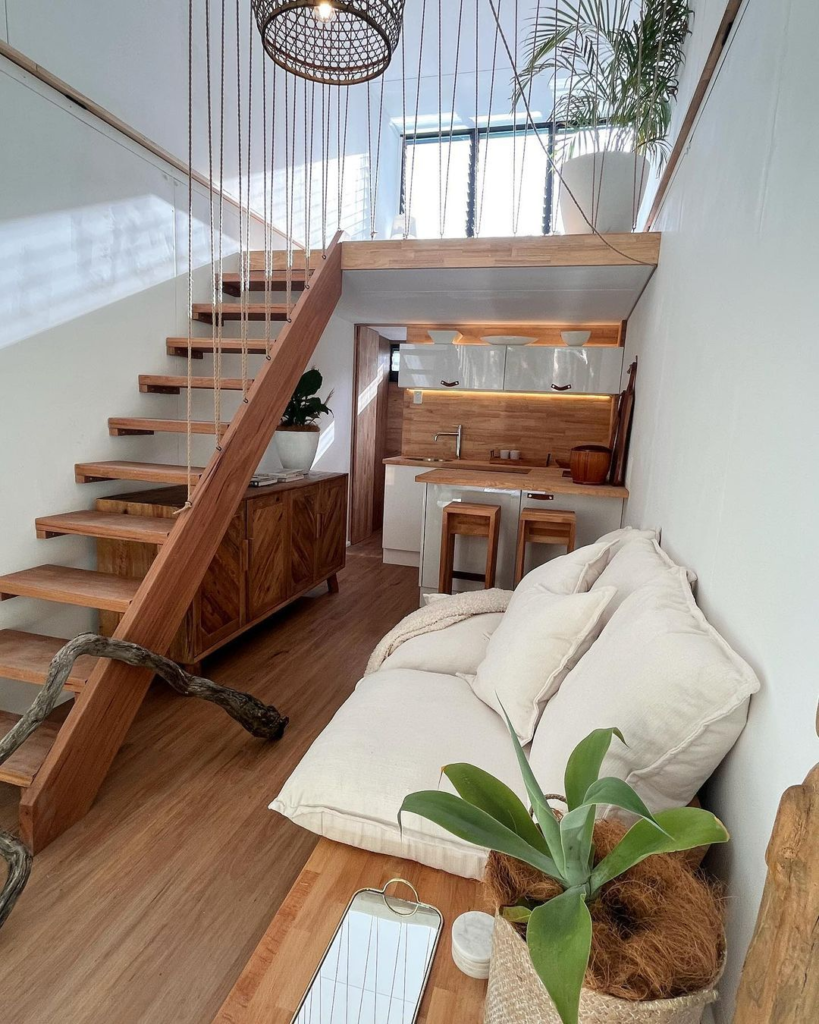
Strategic mirrors, vertical storage, and light colors are the foundation of DrHomey‘s approach to small-space interior design drhomey.
Furniture That Earns Its Place
In a small home, every piece of furniture should do more than one job. A storage ottoman can hold blankets, serve as a coffee table, and provide extra seating when guests visit. A bed with built-in drawers eliminates the need for a separate dresser. A dining table that folds against the wall doubles your usable floor space when not in use.
The choice of furniture scale matters enormously as well. Oversized furniture in a small room does not make the room feel grand — it makes it feel cramped. Opt for pieces with exposed legs, streamlined profiles, and proportions suited to the actual room size. One of the most consistent drhomey handy tips for small spaces: fewer, better-chosen pieces almost always outperform a room crowded with furniture that ‘technically fits.’
Lighting: The Interior Design Element That Changes Everything
Ask any professional interior designer what single change has the biggest impact on a home’s overall feel, and the answer is almost always lighting. Lighting transforms the perceived size of a room, affects how colors read, determines how warm or cold a space feels, and has a measurable impact on mood and energy levels. Yet most homes rely almost entirely on a single overhead light in each room.
The Three-Layer Lighting Formula
- Ambient lighting — the general, overall illumination of a room. This is your overhead lighting, recessed lights, or a ceiling fixture. It sets the base level of light but should rarely be your only source.
- Task lighting — focused light for specific activities: reading lamps, under-cabinet kitchen lights, bathroom vanity lighting, and desk lamps. Task lighting prevents eye strain and makes practical activities easier.
- Accent lighting — decorative and directional light that highlights architectural features, artwork, plants, or other focal points. Picture lights, track lighting, LED strip lights inside shelving, and floor uplighters all fall into this category.
Combining all three layers — and being able to control each of them independently with dimmer switches or smart bulbs — gives you the ability to completely shift the character of a room from morning to evening, from lively to relaxing, from bright and productive to warm and intimate.
Budget-Friendly Home Upgrades with Real Impact
Not every meaningful home improvement requires a significant budget. Some of the most impactful changes you can make to your home cost very little, require no professional help, and can be completed in a weekend. These are the kinds of high-return, low-investment upgrades that define the practical spirit of drhomey handy tips.
UNDER $50 UPGRADES THAT MAKE A REAL DIFFERENCE
- Replacing dated light switch covers and outlet plates throughout the home
- Adding a full-length mirror to a bedroom or hallway
- Installing peel-and-stick subway tile behind the bathroom sink
- Re-caulking the bathtub surround and kitchen sink
- Adding new cabinet hardware to kitchen or bathroom cabinets
- Hanging blackout curtains in bedrooms for better sleep
WEEKEND PROJECTS UNDER $200 WORTH EVERY DOLLAR
- Painting one accent wall in a living room or bedroom with a bold color
- Replacing a dated bathroom vanity light fixture
- Installing floating shelves in a home office or living room
- Adding a programmable smart thermostat
- Refreshing a front door with new paint and updated house numbers
The curb appeal principle deserves special attention here. The front of your home — your door, your porch, your path, your plantings — is the first thing every visitor sees. A freshly painted front door in a confident color, clean house numbers, a swept porch, and a few well-maintained plants can elevate a home’s entire impression for less than the cost of a dinner out.
Frequently Asked Questions
What are the most useful drhomey handy tips for first-time homeowners?
First-time homeowners benefit most from learning their home’s systems — the main water shut-off valve, the electrical panel, the HVAC filter locations — and building a simple toolkit. Beyond practical readiness, the most impactful early improvements are usually fresh paint, new light fixtures, and a deep clean before you move in.
How does drhomey interior design approach small apartments?
The drhomey interior design approach for small apartments focuses on three priorities: vertical space utilization, multi-functional furniture, and light maximization. By mounting storage high on walls, choosing furniture that serves multiple purposes, and using mirrors and light colors strategically, even very compact apartments can feel surprisingly spacious and comfortable.
What is the 60-30-10 color rule and how do I apply it?
The 60-30-10 rule divides a room’s color into three proportions: 60% dominant color (walls, large furniture), 30% secondary color (rugs, curtains), and 10% accent color (throw pillows, decorative objects, art). Choose your three colors first, then purchase and place elements accordingly.
What are the most common interior design mistakes people make at home?
The most common mistakes are: rugs that are too small for the seating area, all furniture pushed against the walls, relying on a single overhead light source, hanging artwork too high, choosing paint colors based on small chips under store lighting, and overcrowding rooms with too much furniture.
How often should I repaint interior walls?
Most interior walls benefit from repainting every 5 to 7 years, though this varies based on the room, finish, and how much traffic it receives. High-traffic areas like hallways, kitchens, and children’s rooms may need attention every 3 to 4 years.
Can I improve my home’s interior design without buying new furniture?
Absolutely — and sometimes the most effective transformations involve no new purchases at all. Rearranging furniture, repainting walls, adding or swapping out lighting, hanging new curtains, and refreshing textiles like pillows and throws can completely reinvent the feeling of a room.
What lighting color temperature is best for different rooms?
For living rooms and bedrooms, choose bulbs in the 2700K–3000K range (warm white). For kitchens, bathrooms, and home offices where clarity matters more, 3500K–4000K (neutral to cool white) works better. Avoid very cool blue-toned bulbs (5000K+) in living spaces — they tend to feel clinical and can disrupt sleep if used in the evening.
How do I make my home feel more expensive without spending a lot?
The most effective strategies: declutter ruthlessly, upgrade your soft goods (quality bedding and towels signal luxury), hang curtains high and wide, use consistent hardware throughout your home, and introduce real plants, which add life and warmth that no decorative object can replicate.
What home repairs can I safely do myself versus hiring a professional?
Most cosmetic repairs — patching drywall, re-caulking, painting, replacing fixtures — are well within the capability of most homeowners with basic tools. Structural work, electrical panel upgrades, gas line work, and major plumbing projects should always involve licensed professionals.
Conclusion: Your Home, Transformed with the Right Knowledge
A beautiful, functional, comfortable home is not the exclusive domain of people with large budgets or professional design teams. It is the result of making informed decisions, developing practical skills, understanding how space and light and color work together, and caring enough to pay attention to the details that most people overlook. That is the spirit behind every piece of advice in this guide — and the spirit behind drhomey handy tips as a whole.
Whether you start by rearranging your living room furniture, testing three paint colors on your bedroom wall, or finally fixing that dripping faucet you have been meaning to address for six months, every step forward counts. Home improvement is not a destination — it is an ongoing relationship between you and the space you live in.
The principles of interior design drhomey teach us that thoughtful, patient, well-informed effort always beats impulsive spending. A home full of carefully chosen, well-placed things you love will always outshine a home full of expensive things that do not quite work together. Start with what you have, build your knowledge, act on what you learn — and watch your home become somewhere you genuinely cannot wait to return to at the end of every day.
Ready to Transform Your Home?
Explore more expert guides, room-by-room makeover ideas, and step-by-step repair tutorials on DrHomey. Your best home is closer than you think. Visit drhomey.com to browse all guides →