

Ever walked into a room that just felt right—cozy, pulled-together, effortlessly beautiful—and wondered how the owner did it? Chances are, they weren’t hiring a designer or spending a fortune. They were probably using some of the same decoration ideas decoradyard enthusiasts swear by, the kind of small, smart choices that quietly transform a space without anyone noticing the effort behind them.
Here’s the thing: most people overthink home decorating. They assume it requires a big budget, a trained eye, or hours of scrolling Pinterest for inspiration that never quite translates to their own four walls. But decorating well is less about money and more about intention—knowing where to place a lamp, which colors actually work together, and how to avoid the cluttered, mismatched look that plagues so many well-meaning home projects.
This guide pulls together practical, tested strategies that real homeowners use to make their spaces feel warmer, brighter, and more like them. Whether you’re furnishing your first apartment or refreshing a home you’ve lived in for a decade, these ideas are designed to be doable, affordable, and genuinely effective.
Why Good Decoration Matters More Than You Think
There’s actual psychology behind why a well-decorated room makes you feel calmer and more productive. Research on environmental psychology has consistently shown that our surroundings directly influence mood, stress levels, and even sleep quality. A cluttered, poorly lit room can quietly raise cortisol levels, while a thoughtfully arranged space with good lighting and natural elements tends to lower stress and boost focus.
This is exactly why decoration tips decoradyard followers rely on go beyond aesthetics—they’re about creating an environment that supports how you actually live. Good decor isn’t just pretty; it’s functional, calming, and personal.
Getting Started: Foundations Before Flourishes
Understand Your Space Before You Shop
The biggest mistake people make is buying decor before understanding their room’s natural flow. Before you purchase a single throw pillow, spend a few days simply observing your space. Where does natural light hit strongest? Which corners feel awkward or underused? What’s the room’s primary function?
Once you know these answers, decorating becomes a problem-solving exercise rather than a guessing game. This foundational step is central to almost every successful decoration ideas decoradyard approach—starting with observation, not shopping.
Choose a Cohesive Color Palette
Color consistency is what separates a “pulled-together” room from one that feels randomly assembled. A simple rule many professional decorators use is the 60-30-10 formula:
- 60% dominant color (walls, large furniture)
- 30% secondary color (curtains, rugs, accent furniture)
- 10% accent color (pillows, art, small decor pieces)
This ratio creates visual balance without feeling monotonous. You don’t need a design degree to apply it—just a willingness to plan before you paint or buy.
Room-by-Room Decoration Strategies
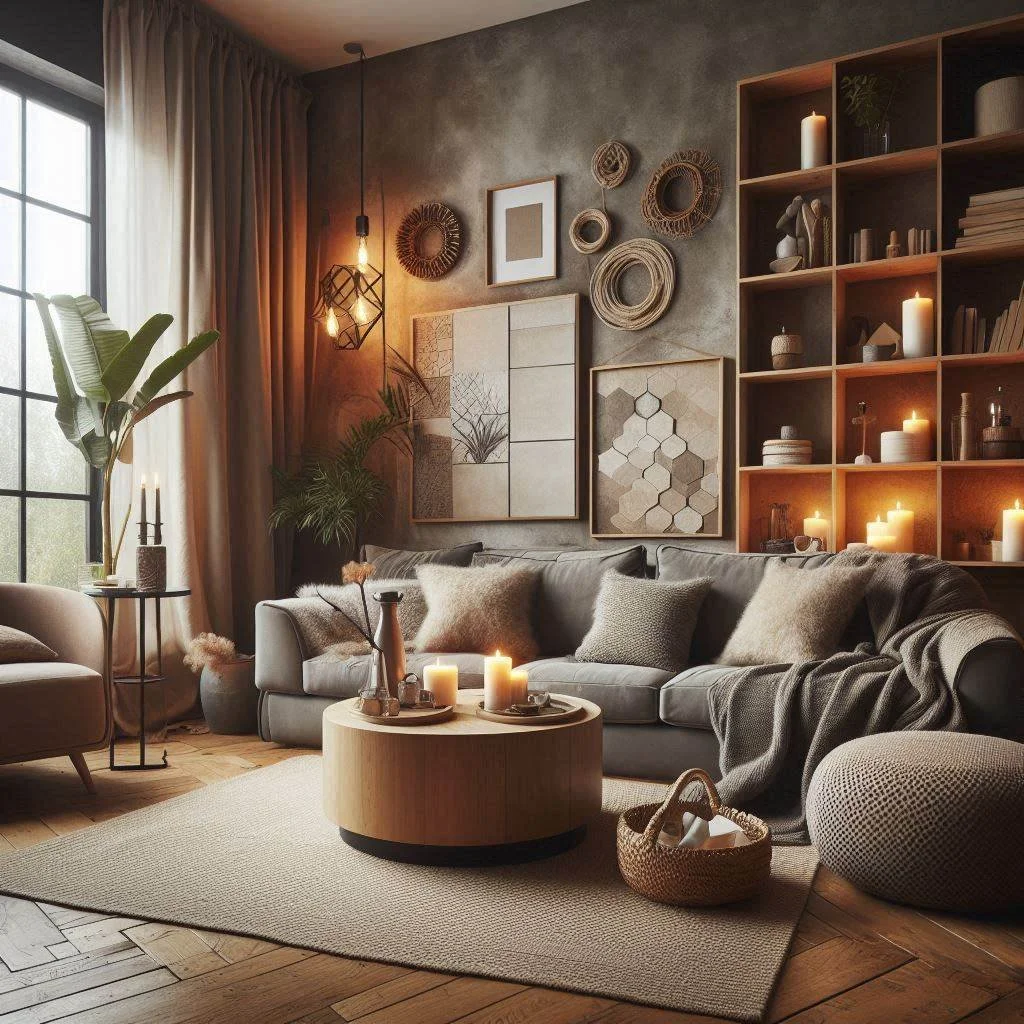
A layered, textured living room shows how simple decoration ideas decoradyard fans use can turn a plain space into a cozy focal point.
Living Room: The Heart of the Home
The living room typically carries the most decorating pressure since it’s where guests spend the most time. Start with your furniture layout—ideally, arrange seating so it encourages conversation rather than facing everything toward a TV.
Layering is key here. Combine textures like a woven jute rug, a velvet throw, and matte ceramic vases to add depth without adding clutter. This layered approach is one of the most repeated decoration tips and tricks decoradyard contributors mention, because texture does more visual work than color alone.
Bedroom: Designing for Rest
Bedrooms should prioritize calm over statement-making. Soft, muted tones—sage green, warm taupe, dusty blue—tend to promote better sleep than bright, high-energy colors. Blackout curtains, layered bedding, and warm-toned lighting (avoid harsh overhead lights) make a measurable difference in sleep quality, according to sleep hygiene studies from the National Sleep Foundation.
Keep nightstands simple: a lamp, a small plant, maybe a book. Overcrowded surfaces subtly increase mental clutter, even while you sleep.
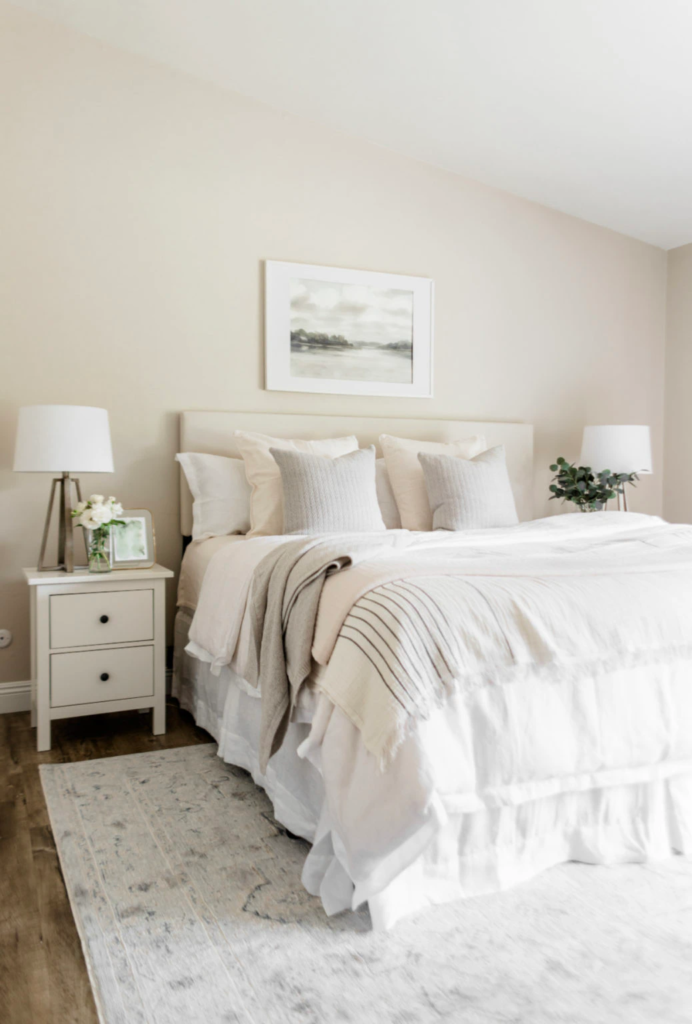
Muted colors, layered bedding, and warm lighting are budget-friendly decoration tips decoradyard readers use to create a calmer bedroom.
Kitchen and Dining Areas
Open shelving, when styled correctly, can make a kitchen feel bigger and more curated. Group items by color or material rather than by category—it looks more intentional. Adding a runner or simple centerpiece to your dining table instantly elevates the space for daily meals, not just special occasions.
Budget-Friendly Decoration Tips and Tricks
You genuinely don’t need a large budget to make a home look expensive. Here are approaches that consistently deliver results without draining your wallet:
- Repaint instead of replace. A fresh coat of paint on furniture or an accent wall costs a fraction of buying new pieces.
- Shop secondhand strategically. Thrift stores and marketplace apps often have solid-wood furniture that outlasts modern particleboard versions.
- Use mirrors to expand light. Placing a mirror opposite a window can make a room feel up to 20% brighter and larger.
- Rotate decor seasonally. Swapping small items—pillow covers, table runners, artwork—keeps a space feeling fresh without major spending.
- DIY your art. Framed fabric, pressed botanicals, or even your own abstract painting can replace expensive store-bought art.
These budget-conscious decoration tips decoradyard followers use prove that creativity often outperforms a big checkbook.
Lighting: The Most Underrated Decoration Tool
Lighting design is arguably the single most impactful—and most overlooked—element of home decor. Most rooms rely too heavily on one harsh overhead light, which flattens the space and creates unflattering shadows.
Instead, aim for three types of lighting in every room:
- Ambient lighting – general illumination (ceiling fixtures, recessed lights)
- Task lighting – functional lighting for specific activities (desk lamps, under-cabinet lights)
- Accent lighting – decorative lighting that highlights features (wall sconces, string lights, picture lights)
Layering these three types creates dimension and warmth that a single light source simply can’t achieve.
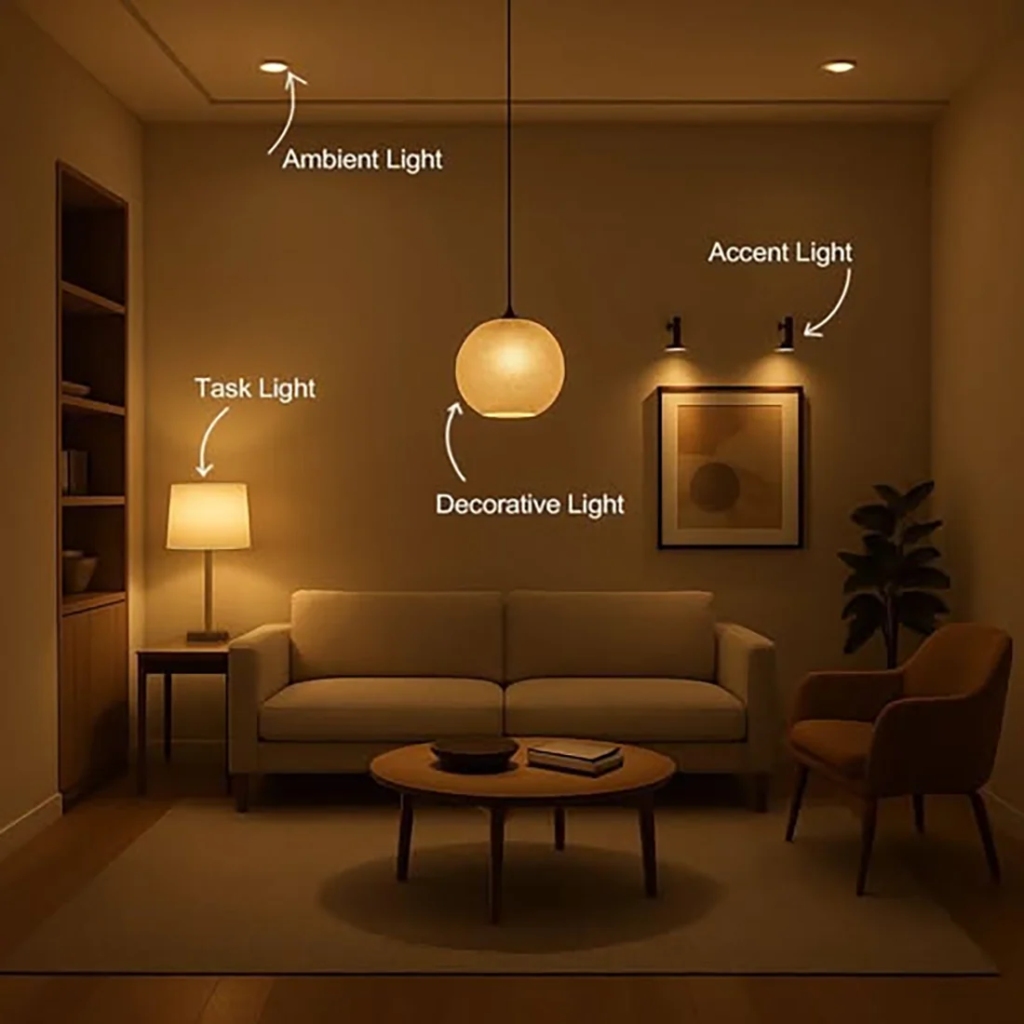
This visual breakdown of ambient, task, and accent lighting is one of the easiest decoration tips and tricks decoradyard readers can apply to any room instantly.
Small Space Solutions
Not everyone has the luxury of extra square footage, and that’s where smart decoration ideas decoradyard followers often shine brightest. Vertical storage, multi-functional furniture (like ottomans with hidden storage), and light, neutral color schemes all help small rooms feel larger and less cramped.
Hanging curtains close to the ceiling rather than directly above the window frame is a simple trick that creates the illusion of higher ceilings. Similarly, choosing furniture with visible legs (rather than pieces that sit flush to the floor) makes a room feel more open because you can see the floor beneath it.
Seasonal and Personal Touches
Decor shouldn’t be static. Rotating a few key elements with the seasons—warm textiles and candles in winter, lighter fabrics and fresh greenery in spring—keeps a home feeling alive and current. This doesn’t require a full redesign; even swapping a few accent pieces can shift the entire mood of a room.
Equally important is personalization. Family photos, travel souvenirs, or handmade items give a space identity. Interior designers often note that the most memorable homes aren’t the most expensive ones—they’re the ones that clearly reflect the people living in them.
Common Decorating Mistakes to Avoid
Even well-intentioned decorators fall into predictable traps. Watch out for these:
- Pushing all furniture against the walls. This often makes rooms feel less cozy, not more spacious.
- Ignoring scale. Oversized furniture in a small room (or tiny decor in a large one) throws off visual balance.
- Too many focal points. A room needs one clear focal point per wall, not five competing for attention.
- Skipping the rug size test. A rug that’s too small makes furniture look like it’s floating awkwardly.
- Forgetting the ceiling. Blank ceilings are a missed opportunity—paint, wallpaper, or a statement fixture can add unexpected character.
Avoiding these mistakes is often what separates amateur attempts from spaces that genuinely follow proven decoration tips and tricks decoradyard enthusiasts have refined over time.
FAQ Section
What are the best decoration ideas decoradyard recommends for small apartments?
Focus on multi-functional furniture, vertical storage, light color palettes, and strategic mirror placement. These choices maximize both visual and physical space without requiring structural changes.
How can I decorate my home on a tight budget?
Repaint existing furniture, shop secondhand, rotate small decor items seasonally, and prioritize lighting upgrades—these deliver the most visible impact for the least cost.
What colors make a room look bigger?
Soft neutrals like white, light gray, and pale beige reflect more light and visually expand a space, especially when paired with matching or lighter-toned furniture.
How many lighting sources should a room have?
Ideally three: ambient (general), task (functional), and accent (decorative). Layering these creates depth and avoids the flat look of a single overhead light.
Do I need to hire a designer to decorate well?
No. With careful planning—understanding your space, choosing a cohesive palette, and layering textures and lighting—most homeowners can achieve professional-looking results independently.
How often should I update my home decor?
Small seasonal refreshes (textiles, accessories) every few months keep a home feeling current, while larger updates (furniture, paint) are typically done every few years.
What’s the biggest decorating mistake people make?
Pushing all furniture against the walls and ignoring scale are two of the most common issues, often making rooms feel less inviting rather than more spacious.
How do I choose a color palette for my whole home?
Use the 60-30-10 rule—60% dominant color, 30% secondary, 10% accent—and try to carry a consistent undertone (warm or cool) through connecting rooms for flow.
Wrapping It Up
At the end of the day, great decorating isn’t about following every trend or spending beyond your means—it’s about paying attention to how you actually live and making thoughtful choices that support that. Whether you’re working with a studio apartment or a sprawling family home, the same principles apply: understand your space, layer your lighting, commit to a cohesive palette, and don’t be afraid to let your personality show through. With these ideas in hand, your home doesn’t just look decorated—it feels like you.