

Cleaning hardwood floors with Bona is simple once you know the routine: remove grit first, mist the cleaner in small sections, and glide a clean microfiber pad with the grain. The product is designed for sealed, polyurethane-finished wood, not for waxed or oiled floors.
Most problems people blame on the cleaner, like streaks, haze, or a sticky feel, actually come from a dirty pad, too much spray, or an old product layer underneath. Fix those, and the floor looks noticeably better.
This is an independent guide. It isn’t affiliated with Bona, and it draws on the brand’s published product directions plus practical floor-care experience. You’ll learn which floors it suits, the exact steps, how to care for the pads, how to deal with streaks, and when to reach for polish instead.
What Bona is and how it works
Bona is a Swedish company best known in homes for its hardwood floor cleaner, spray mo,p and polish. The everyday cleaner is a water-based, pH-neutral formula meant to lift dirt from a sealed floor without leaving residue.
pH-neutral matters on wood. Strong acids, like vinegar, and harsh alkaline cleaners can dull or etch a finish over time. A neutral cleaner removes grime while leaving the protective coating alone.
The cleaner is designed to dry quickly with no rinsing, which is the main reason people switch to it from a bucket and string mop. Less water on the floor also means less risk to the wood itself.
It’s important to know what the cleaner doesn’t do. It’s a maintenance cleaner, not a polish or restorer. It won’t fill scratches or bring back a worn finish; those need different products or a professional recoat.
Is Bona safe for your floor? Check this first
The single most important step happens before you clean. Bona’s hardwood cleaner is labeled for polyurethane-finished wood floors only, and not for use on waxed or oiled floors.
Not sure what you have? These quick checks help.
| Floor type | Can you use Bona hardwood cleaner? | How to recognize it |
|---|---|---|
| Site-finished hardwood with polyurethane | Yes | Smooth, even sheen; water beads on the surface |
| Prefinished or engineered wood with a factory finish | Usually yes; check the maker’s care guide | Bevelled plank edges, very uniform finish |
| Waxed wood | No | Soft sheen; a fingernail scratch leaves a smudge; older homes |
| Oiled or hardwax-oiled wood | No; use a cleaner made for oiled floors | Matte, natural look; water darkens the wood |
| Unsealed or raw wood | No | Water soaks in quickly and darkens the board |
| Laminate, vinyl or tile | Not this formula; Bona sells separate hard-surface products | Printed wood look, or non-wood surface |
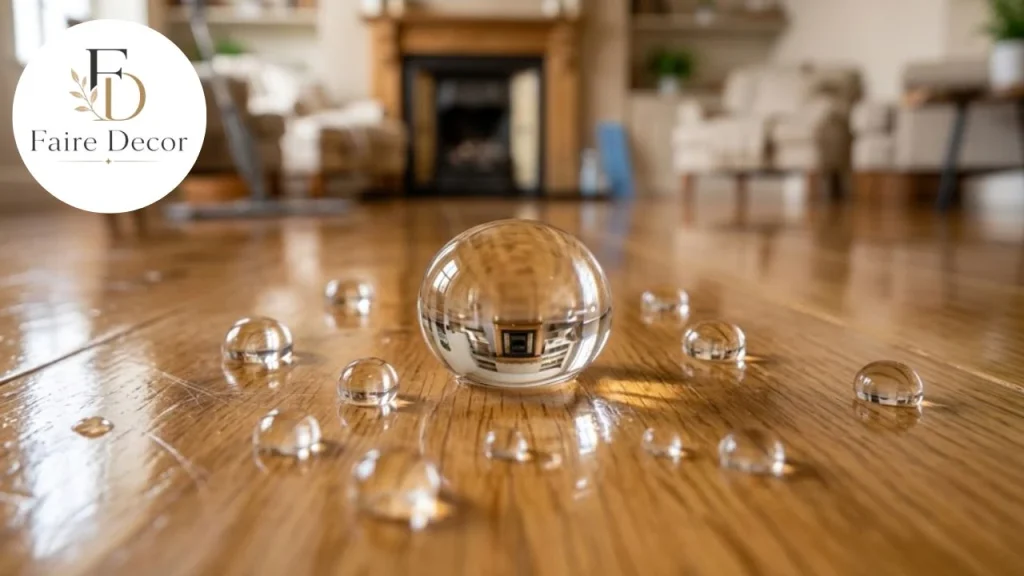
The simplest test is the water drop. Put a few drops of water on an out-of-the-way spot. If it beads up and sits on the surface, the floor is sealed. If it soaks in and darkens the wood, it isn’t.
For engineered and prefinished floors, check the manufacturer’s care instructions as well. Some brands specify their own cleaners, and using another product can affect a warranty.
Whatever your floor, test any new cleaner on a hidden spot first, such as inside a closet or under a sofa. Bona’s own directions recommend this.
What you’ll need
You don’t need much, but each item matters.
A soft broom, dust mop, or vacuum with a hard-floor setting. Turn off the beater bar, which can scratch wood.
Bona hardwood floor cleaner, either in a spray bottle or a refill cartridge for the spray mop.
A flat microfiber mop. The Bona spray mop is the most convenient, but any flat mop with a clean microfiber pad works.
At least two clean microfiber pads, so you can swap when one gets dirty.
A soft cloth for spots and corners.
Skip string mops, steam mops, and sponge mops. They put down far too much water for wood.
How to clean hardwood floors with Bona, step by step
Here’s the full method for cleaning hardwood floors with Bona in a typical room. It takes about 10 to 15 minutes per room once you’ve done it a few times.
Clear the floor
Move chairs, rugs, pet bowl,s and anything else you can lift. Cleaning around obstacles leaves dusty edges that show up later as dull patches.
Remove dry dirt and grit
Sweep, dust-m,op or vacuum the whole floor first. This is the step most people rush, and it’s the most important one.
Grit acts like sandpaper. If you spray cleaner over it, the pad drags sand across the finish and leaves fine scratches. Pay attention to corners, along baseboards, and in front of doors.
Attach a clean, dry pad
Always start with a clean pad. A pad that’s already dirty from another room just moves grime around and causes streaks.
Spray a small section
Work in sections of roughly 3 by 3 feet. Mist a light layer of cleaner, just enough to dampen the surface. More product doesn’t clean better; it leaves more to dry and can streak.
Mop with the grain
Glide the mop along the length of the boards, following the wood grain. Long, overlapping strokes work better than scrubbing back and forth.
Keep the pad flat on the floor. Lifting and pressing creates uneven pressure and drag marks.
Work toward an exit
Start at the far side of the room and move toward the door, so you never walk over freshly cleaned floor.
Change the pad when it’s dirty
Flip or swap the pad as soon as it looks gray. In a large or busy room, you might use two or three pads.
Let it dry
The cleaner dries quickly, usually within a few minutes. Wait until it’s fully dry before putting rugs and furniture back.
Using the Bona spray mop correctly
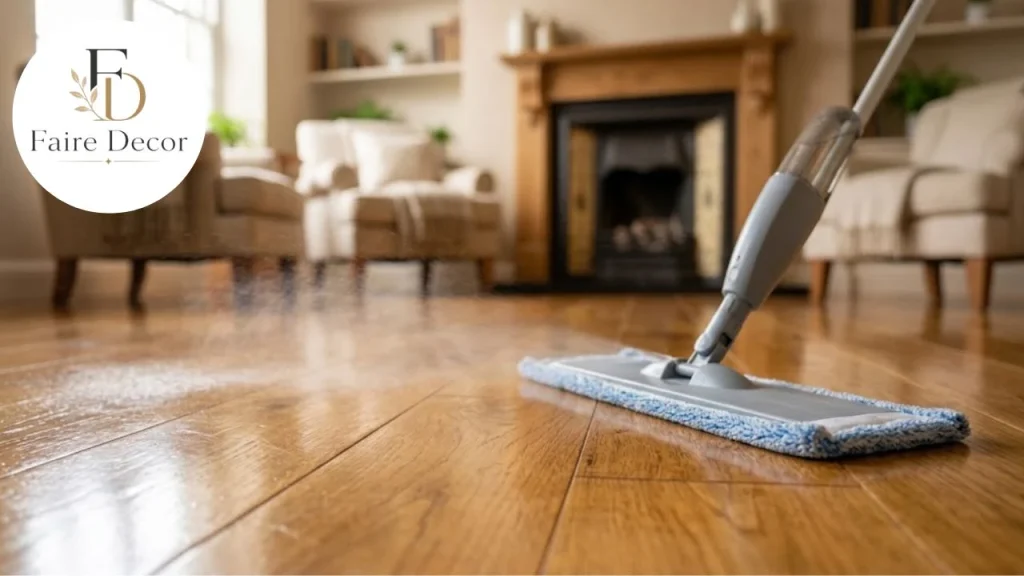
The spray mop is the most popular way to use the cleaner. It holds a cartridge in the handle, and a trigger mists the floor just ahead of the pad.
A few tips make a real difference:
Spray in short bursts. One or two pulls per section is usually enough.
Spray slightly ahead, not on the pad. You want a thin film on the floor that the pad can pick up evenly.
Rinse or swap the pad often. The product directions recommend rinsing and wringing the pad frequently to avoid streaks, and keeping extra pads on hand.
Refill carefully. On the spray mop, press the release button before removing the cartridge, then refill with the matching cleaner.
The manufacturer recommends using Bona cleaners and pads together for best results. In practice, the most important thing is that whichever pad you use is clean, soft microfiber.
Caring for microfiber pads
A dirty or fabric-softened pad is the top cause of streaks. Good pad care keeps the whole system working.
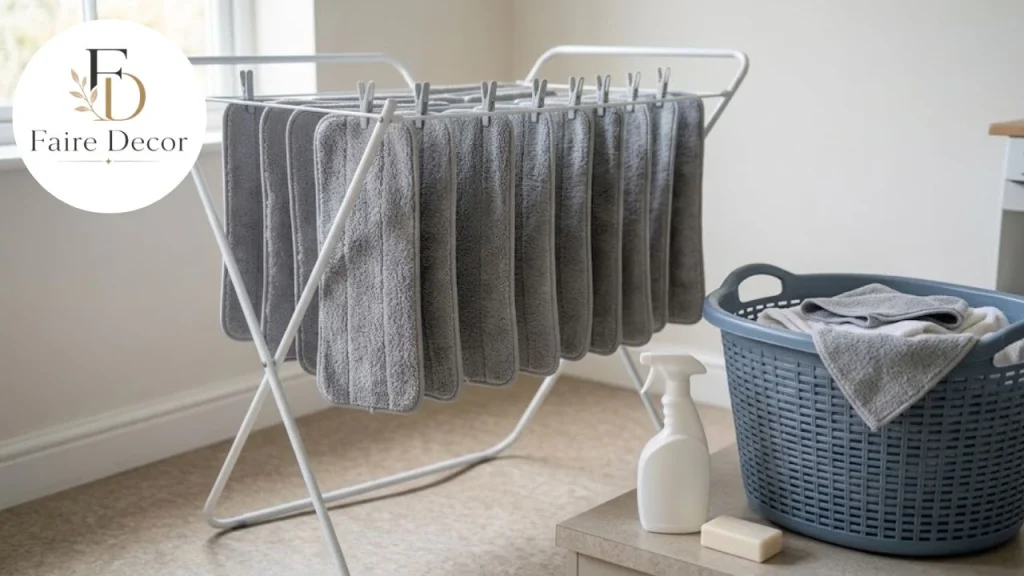
According to the product directions, Bona’s microfiber pads should be:
Washed in warm water.
Washed without bleach or fabric softener. Softener coats the fibers so they stop gripping dirt and start smearing it.
Air-dried or tumble-dried on low.
Keep away from lint-shedding items, like towels, in the wash.
The pads are rated for hundreds of washes, so a few good pads last a long time. Shake them out outside before washing to remove grit, which can otherwise scratch the floor next time.
How often to clean your hardwood floors
How often you clean depends on traffic, not the calendar.
| Area | Dry dust or vacuum | Clean with Bona |
|---|---|---|
| Kitchen and entryways | Daily or every other day | About once a week |
| Living and dining rooms | A few times a week | Every 1 to 2 weeks |
| Bedrooms and low-traffic rooms | Weekly | Every 2 to 3 weeks |
| Homes with pets or kids | Daily in busy areas | Weekly in busy areas |
Dry cleaning matters more than wet cleaning. Removing grit often is the best protection your floor finish can get.
Spot-clean spills straight away with a damp cloth or a spritz of cleaner. Liquids left to sit can damage the finish or soak into seams between boards.
Fixing streaks, haze and a dull finish
Even with good technique, floors sometimes look streaky or cloudy. Here are the usual causes and fixes.
| Problem | Likely cause | Fix |
|---|---|---|
| Streaks after cleaning | Too much cleaner, or a dirty or softener-coated pad | Use less spray; switch to a clean pad washed without softener |
| Hazy or cloudy film | Old residue from oil soap, wax or furniture spray | Clean several times with a fresh pad; persistent haze may need professional help |
| Sticky feel | Too much product, or mixing different cleaners | Mop with a clean, water-dampened pad, then a dry pad |
| Footprints showing | Floor walked on before it dried | Re-clean the area lightly and let it dry fully |
| Dull, worn traffic lanes | Finish has worn down | Polish can help; a screen and recoat restores it fully |
Old residue is a common culprit. Oil soaps, wax-based product,s and furniture sprays leave a film that ordinary cleaners struggle to cut through. Cleaning it off can take several passes, and heavy buildup may need a floor professional.
Never mix cleaners. If you’re switching from another product to Bona, give the floor a few cleanings with fresh pads before judging the result.
Spot-cleaning common marks and stains
Most everyday marks lift with cleaner and a cloth, as long as you deal with them quickly.
Sticky spills. Juice, syrup, or soda can be softened with a little cleaner sprayed on a microfiber cloth. Let it sit for a few seconds, then wipe gently instead of scrubbing.
Scuff marks. Rubber-soled shoes leave black scuffs on many finishes. Rub them with a clean, dry microfiber cloth or a tennis ball first; many lift without any product at all.
Pet accidents. Blot, don’t wipe, to avoid spreading the liquid. Then clean the area with cleaner and a fresh cloth, and dry it completely.
Crayon and marker. Try a dry cloth first. For stubborn marks, use a small amount of cleaner on a cloth, working from the outside of the mark inward.
Dried mud. Let it dry completely, then sweep or vacuum it up before using any liquid. Wet mud smears into the grain.
If a mark doesn’t come out with gentle cleaning, it may be in the finish rather than on it. Stop there rather than using harsh products, and ask a flooring professional.
Bona cleaner vs Bona polish
This is one of the most common points of confusion. The two products do completely different jobs.
| Hardwood floor cleaner | Hardwood floor polish | |
|---|---|---|
| Purpose | Removes dirt and grime | Adds a protective layer and boosts sheen |
| How often | Routine, every week or two | Occasionally, as the label directs |
| Effect on scratches | None | Fills micro-scratches and evens out the look |
| Can it build up? | No, when used as directed | Yes, if applied too often or too heavily |
| Use on | Sealed, finished floors | Sealed, finished floors in good condition |
Use the cleaner for regular cleaning. Reserve polish for refreshing a floor that’s starting to look tired, and follow the label on how often to apply it.
Always clean thoroughly before polishing, so you don’t seal dirt under the new layer. Apply polish thinly and evenly, and let it dry fully before walking on it.
Polish isn’t a fix for every problem. If the finish is worn through to bare wood, or the floor looks gray in traffic paths, it needs a professional screen-and-recoat or a full refinish.
Using Bona on engineered and prefinished floors
Many modern homes have engineered or prefinished floors, with a factory-applied finish. These often work well with a pH-neutral, water-based cleaner.
Check two things first. Look up the floor manufacturer’s care guide, and see whether it names specific cleaners or warns against any. Then make sure the surface is sealed, using the water-drop test.
Some factory finishes, especially matte or hardwax-oil finishes, need dedicated products. When in doubt, follow the floor maker’s instructions over any general advice, including this guide.
Room-by-room tips
Every room puts different demands on a wood floor, so adjust your routine to match.
Kitchen
Kitchens collect crumbs, grease, and spills, often in front of the sink, stov,e and fridge. Wipe drips immediately, and dry-clean daily if you cook a lot.
For greasy spots, spray a little cleaner onto a microfiber cloth and work the area by hand before mopping. A washable runner in front of the sink catches splashes and saves the finish where it wears fastest.
Entryways and hallways
These areas get the most grit, especially in wet or snowy weather. Sweep or vacuum them often, and use mats both outside and inside the door.
In winter, road salt and grit can leave a white film. Dry-clean first, then use cleaner on a clean pad, changing pads more often than usual.
Living rooms and bedrooms
Lower traffic means lighter cleaning. Focus on the paths people actually walk, and move rugs occasionally so the floor underneath doesn’t age differently.
Check under beds and sofas a few times a year. Dust bunnies trap grit, which gets dragged out onto open floor.
Homes with pets
Pet accidents need fast action. Blot up liquid right away, then clean the spot with a damp cloth and cleaner. Urine left to sit can stain or damage the finish and the wood beneath.
Water bowls are a hidden risk. Place them on a waterproof mat so splashes don’t sit on the wood for hours.
What not to use on hardwood floors
Avoiding the wrong products protects your floor as much as using the right ones.
Vinegar and water. It’s acidic, and over time it can dull a polyurethane finish.
Steam mops. Heat and moisture can push water into seams and damage the wood and finish.
Oil soaps and wax-based cleaners on polyurethane. They can leave a film that dulls the floor and interferes with future recoating.
All-purpose sprays and ammonia. These are too harsh for wood finishes.
Soaking wet mops. Standing water seeps between boards and can cause swelling and cupping.
Abrasive pads or scrub brushes. These scratch the finish.
If a previous owner used any of these, your floor may already have some buildup. Patience and clean pads usually improve it over a few cleanings.
Everyday habits that keep floors looking new
Cleaning is only part of floor care. These small habits do just as much.
Use doormats inside and outside every entrance. They catch most of the grit before it reaches the wood.
Put felt pads on furniture legs and replace them when they wear thin. Chairs dragged across bare wood are a top source of scratches.
Choose rugs with wood-safe backing. Some rubber backings can discolor finishes. Use breathable rug pads made for hardwood.
Trim pet nails regularly, and wipe paws after walks in wet or muddy weather.
Control sunlight. Strong sun can fade or darken wood over time. Rotate rugs occasionally and use curtains or blinds in bright rooms.
Keep humidity steady. Wood shrinks and swells with moisture. Many flooring makers recommend keeping indoor humidity within a moderate range year-round; check yours for its exact guidance.
Common mistakes to avoid
Most disappointing results come from a handful of habits. Avoid these and cleaning hardwood floors with Bona gets noticeably easier.
Skipping the dry clean. Mopping over grit scratches the finish. Always sweep or vacuum first.
Using too much spray. A heavy mist doesn’t clean better. It takes longer to dry and leaves streaks.
Cleaning the whole house with one pad. A pad loaded with dirt spreads it rather than lifting it. Plan on swapping pads between rooms.
Washing pads with fabric softener. Softener coats the fibers and causes smearing. Wash pads separately, without softener or bleach.
Mixing products. Alternating between oil soap, vinegar, and Bona leaves layers that cause haze. Pick one compatible cleaner and stick with it.
Polishing too often. Too much polish builds up and dulls the floor. Treat polish as an occasional refresh, not part of every clean.
Ignoring the floor type. Using a polyurethane cleaner on waxed or oiled wood can damage the finish. Always confirm your floor’s finish first.
Deep cleaning and when to call a professional
Routine cleaning hardwood floors with Bona keeps a healthy floor in shape. Some problems go beyond what a cleaner or polish can fix.
Call a flooring professional if you see:
- Gray or bare wood showing through in traffic lanes.
- Deep scratches or gouges that catch a fingernail.
- Water damage, such as dark stains, cupping, or raised edges.
- A thick, cloudy layer of old wax or polish that won’t come off.
A professional screen-and-recoat lightly abrades the existing finish and adds a fresh topcoat, without full sanding. It’s quicker and cheaper than a complete refinish, and it’s the right fix for a worn but undamaged floor.
Full sanding and refinishingremoves the old finish completely. Solid hardwood can usually be refinished several times over its life. Engineered floors can only be sanded if the wear layer is thick enough.
Matching floor care to your home
Clean, glowing wood floors lift every room around them. They’re especially striking in homes built around natural materials.
In a ranch-style home with long runs of open flooring, a consistent cleaning routine keeps the whole space looking cohesive. In a calm, nature-inspired room, like our Japanese-style bedroom ideas, the wood floor is often the main feature, so it’s worth keeping in top shape.
For a broader look at different cleaning methods, including options for waxed and oiled floors, see our general guide on how to clean hardwood floors.
Your weekly Bona routine at a glance
If you want a simple routine to follow, this covers most homes.
Dry-dust or vacuum busy areas every day or two.
Once a week, clear the floor and remove all grit.
Mist and mop each room in small sections, with the grain, using clean pads.
Swap pads when they look dirty, and wash them without softener.
Polish occasionally, only when the floor looks dull and only as the label directs.
FAQs:
Is Bona safe for all hardwood floors?
No. Bona’s hardwood cleaner is labeled for polyurethane-finished wood floors only. It isn’t meant for waxed, oiled or unsealed wood.
Why does my floor look streaky after using Bona?
The usual causes are too much spray, a dirty pad, or a pad washed with fabric softener. Use a light mist and a clean pad, and wash pads without softener.
How often should I clean hardwood floors with Bona?
About once a week in busy areas like kitchens and entryways, and every one to three weeks in quieter rooms. Dry-clean busy areas more often.
Do I need to rinse after using Bona?
No. The cleaner is designed to dry quickly without rinsing when used as directed.
What’s the difference between Bona cleaner and Bona polish?
The cleaner removes dirt during routine cleaning. The polish adds a protective layer and sheen, and is used only occasionally to refresh a tired floor.
Can I use Bona on engineered hardwood?
Usually yes, if it has a sealed factory finish. Check your floor manufacturer’s care guide first, since some finishes need specific products.
How do I wash Bona microfiber pads?
Wash them in warm water without bleach or fabric softener, keep them away from lint-shedding items, and air dry or tumble dry on low.