

You priced a tankless unit online, and the number looked friendly. Then the installer’s quote arrived,d and it was double. Nothing is wrong. The box is only one line on a longer bill, and the other lines depend on your house.
This guide breaks the tankless water heater cost to install into its parts: the unit, labor, venting, gas line, electrical work, permits,ts and removal of the old tank. Every dollar range is attributed to the page it came from. Most of those pages are commercial, so where they disagree,ree I show both numbers rather than pick a winner.
The short answer
Published guides land in a similar neighborhood for a typical job, then split on the edges.
| Source | Typical installed range | Notes |
|---|---|---|
| This Old House (updated June 12, 2026) | $1,200 to $3,500, average $2,800 | Equipment and labor combined |
| Bob Vila (published 2021, modified October 31, 2023) | $1,333 to $3,721, average $2,527 | Described as about $2,500 for 2026 |
| NerdWallet (updated September 18, 2025) | $1,400 to $3,900 for tankless | Unit plus installation |
| ConsumerAffairs (updated July 1, 2026) | $2,400 to $5,400 typical, $1,600 to $10,500 full span | Includes add-ons and conversions |
Two things stand out. First, three of the four guides cluster between roughly $1,200 and $3,900, which is a workable planning band for a straightforward swap. Second, ConsumerAffairs sits higher because it counts retrofit work such as gas line, venting and electrical upgrades inside its totals.
NerdWallet also cites Home Depot’s average total installation cost at $4,300 for tankless versus $1,950 for a tank heater, a reminder that retailer averages can sit above the low end of editorial ranges. That is the pattern across the whole subject.
A simple replacement lands near the bottom. A house that needs new venting, a bigger gas line,e or a new electrical circuit lands near the top. Your tankless water heater cost to install depends mostly on how different the new setup is from the old one.
Prices here are national figures from commercial websites, several of which earn money from lead generation or affiliate links. Treat them as planning ranges and get local written quotes.
What goes into the total
An installer’s quote usually has these lines. Knowing them lets you compare bids line by line instead of by the bottom number.
- The tankless unit
- Labor
- Venting and combustion air (gas units)
- Gas line and meter capacity (gas units)
- Electrical wiring and panel capacity (electric units)
- Condensate drain, if the unit is a condensing model
- Permits and inspections
- Removal and disposal of the old tank
- Fittings, valves, and a pipe flush or descaling setup
Not every job has every line. A gas-to-gas swap in a house with a capable gas line may skip several. A switch from a gas tank to an electric tankless can add a lot of electrical work.
The unit itself
Unit price depends on fuel, size,e and brand. This Old House lists these ranges:
| Type | Unit price (This Old House) |
|---|---|
| Electric | $500 to $1,500 |
| Propane | $500 to $2,000 |
| Natural gas | $750 to $2,000 |
| Point-of-use | $150 to $500 |
| Small whole-house | $500 to $1,000 |
| Medium whole-house | $1,000 to $2,000 |
| Large whole-house | $1,500 to $3,000 |
Bob Vila gives overlapping numbers: electric $800 to $1,500, natural gas and propane $1,000 to $1,500, with whole-house units at $450 to $1,500 and single-point units at $100 to $300. It also says brand matters, with unit-only prices spanning from $280 for one brand to $2,600 for another.
The two guides do not match exactly, which is normal. Retailers, model lines,es and seasons all move prices. This Old House notes seasonal retailer discounts of 10 to 20 percent, and rebates are covered later in this article.
Condensing or non-condensing? Bob Vila says condensing units cost about 25 percent more than non-condensing ones, with efficiency of 90 percent or higher versus about 80 percent. Condensing models also need a condensate drain, which ConsumerAffairs puts at $200 to $500 for the drain and neutralizer.
Labor: the biggest swing factor
Labor is the biggest swing factor in the tankless water heater cost to install: it often costs as much as the unit. NerdWallet says labor makes up over half of the total cost of a new water heater, and puts professional tankless labor at $600 to $1,900.
Other guides give the same story in different units:
This Old House: plumbers charge $75 to $150 per hour, and the job typically takes 4 to 8 hours. It says professional installation adds $500 to $1,500.
Bob Vila: plumbers charge $45 to $200 per hour, with a typical labor total of $600 to $1,850 and installation taking close to 3 hours. Electricians run $50 to $100 per hour for about 2 hours at most.
ConsumerAffairs: gas labor $750 to $1,300 and electric labor $650 to $950.
These figures overlap in the $600 to $1,900 band, even though the hourly rates and time estimates differ. Your local labor market, the age of your plumbing, and how easy the old heater is to reach will decide where you fall.
Bob Vila adds that difficult access can add 10 to 15 percent. A cramped closet, a tight attic,c or a basement with low pipes all count.
Gas versus electric: where the money moves
The fuel you choose changes which lines grow in the tankless water heater cost to install.
Gas and propane units cost more up front. This Old House says they have higher upfront costs but stronger flow rates and lower operating expenses. They also need venting and often a larger gas line.
Electric units usually cost less to buy and install, but they can need serious electrical capacity. This Old House says electric units may need panel upgrades. ConsumerAffairs says electric models often require costly electrical service upgrades.
Installed totals by fuel type, from This Old House:
| Fuel | Total installed range |
|---|---|
| Electric | $650 to $2,500 |
| Propane | $1,400 to $3,500 |
| Natural gas | $1,650 to $3,500 |
Those totals are lower than ConsumerAffairs’ figures for electric installation and upgrade ($4,500 to $8,000) and high-efficiency gas upgrade ($4,500 to $8,500). The gap shows how much depends on whether a house needs infrastructure work. A plain swap and a full conversion are different projects with different bills.
Flow rate matters too. Bob Vila says gas units average about 5 gallons per minute (GPM) while electric units average about 2 GPM, and that an average home needs 5.5 to 7.5 GPM.
Eccotemp, a tankless heater maker with an interest in the topic, advises sizing for simultaneous hot-water demand and the required temperature rise, not the flow rating alone.
Venting and combustion air
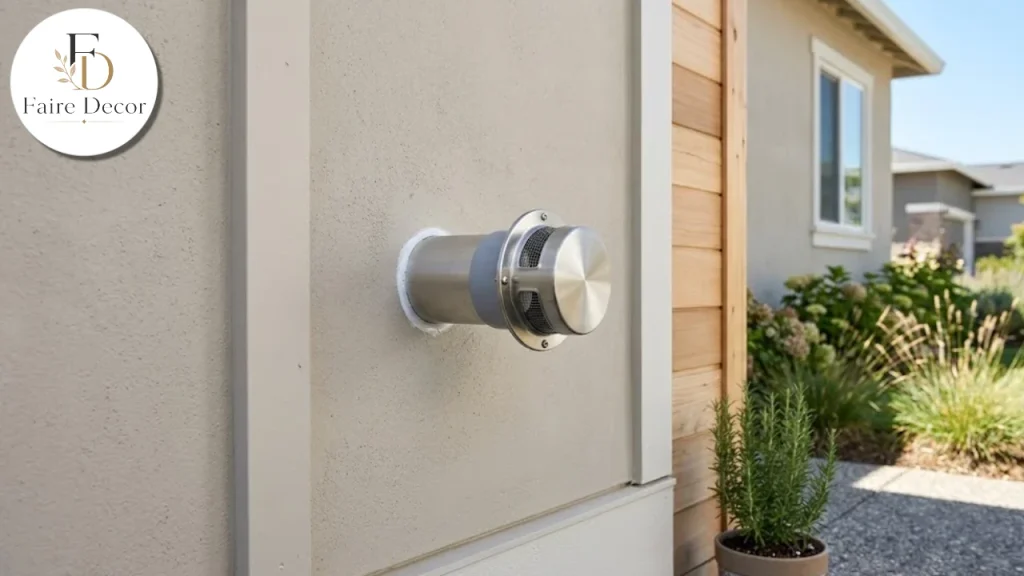
Gas units need to exhaust combustion gases. This Old House puts venting through walls or roofs at $400 to $800, including materials and weatherproofing. ConsumerAffairs lists venting and combustion air at $300 to $1,500. Bob Vila gives no venting figure.
A roof penetration deserves extra care. If the vent goes through your roof, the flashing and sealing matter for years. Our handy DIY guide to roof leaks explains where water tends to get in, which is worth reading before a new penetration is cut.
Electric units avoid combustion venting, which can be a real saving in a house where venting would be awkward.
Gas line and meter capacity
Tankless gas heaters burn a lot of fuel in a short time, so the gas line has to keep up. The ranges:
This Old House: upgrading from a half-inch to a three-quarter-inch line costs $400 to $800, and a separate section lists gas line conversion at $350 to $750.
ConsumerAffairs: gas line and meter work costs $500 to $2,000.
Bob Vila: the gas line can add up to $1,000 to the total.
ConsumerAffairs includes the meter in its range because the utility may need to review or upgrade meter capacity. Ask your installer to check this early, since it can change both the cost and the schedule.
Electrical work
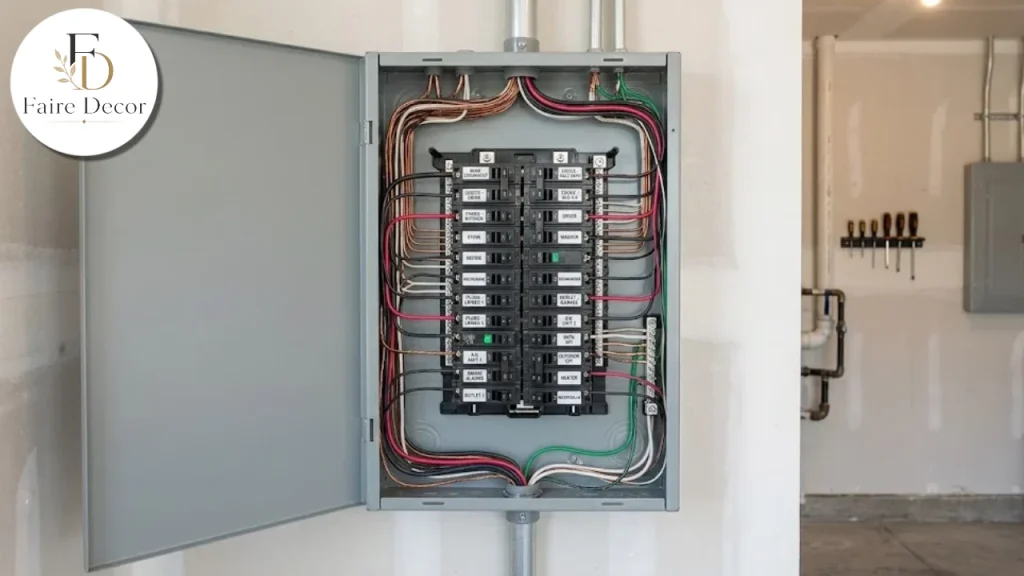
Electric tankless heaters pull heavy current. This Old House lists panel upgrades during installation at $200 to $800, a new circuit at $200 to $600 and a full panel upgrade at $1,000 to $2,000.
ConsumerAffairs gives electrical panel and wiring at $1,000 to $3,000. Bob Vila says an electrician charges $50 to $100 per hour for about 2 hours at most.
These ranges do not agree, and they do not describe identical jobs. A new circuit in a roomy panel is cheap. A full panel replacement is not. Ask your electrician to check your panel’s spare capacity before you commit to an electric model.
If you are also thinking about smart controls for your home, our guides to smart home design and the 2026 smart home device guide cover the gear that pairs with energy-saving upgrades.
Permits, inspections and code fixes
Many places require a permit for a water heater swap, and gas work usually gets inspected. The ranges:
This Old House: building permits $50 to $200 and safety inspections $74 to $150.
Bob Vila: permits $50 to $100, depending on location.
NerdWallet: permits $25 to $300.
ConsumerAffairs: permits, inspections, and code fixes $50 to $500.
Eccotemp warns against treating a national permit estimate as a local quote. That is good advice. Call your building department or ask the installer who pulls the permit and how much it costs.
Removing the old tank
Taking out the old heater is another line item. This Old House puts it at $100 to $500, depending on tank size and location, plus possible disposal fees. ConsumerAffairs says $100 to $300. Bob Vila says $500 or more.
Some installers fold removal into the labor price. Ask whether it is included, so you are not surprised on the invoice.
Why the same job gets different quotes
Eccotemp lists six factors that move the tankless water heater cost to install: replacement versus conversion, gas supply and venting, electrical capacity, location and access, permits and local requirements, and the labor market and timing. That list matches what the other guides describe.
Three things usually explain a widespread difference between bids:
Scope. One quote assumes your existing gas line and vent can be reused. Another includes upgrading both.
Equipment. One installer prices a condensing model and another a non-condensing one.
Inclusions. One quote includes permit, removal, and haul-away. Another lists them as extras.
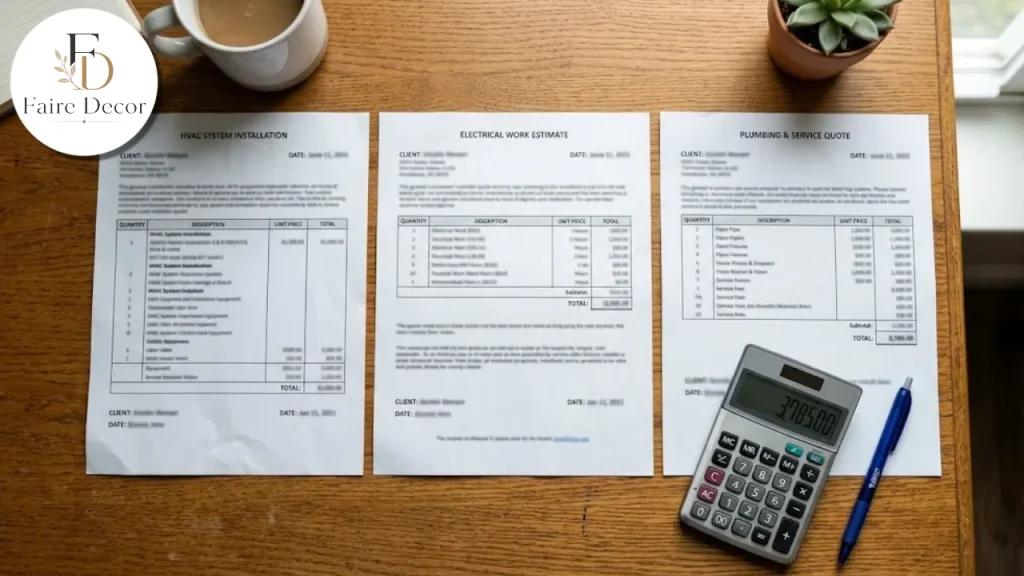
When two quotes differ by a thousand dollars, ask each contractor to list scope, model number, permit, venting,g and removal. Then compare like with like.
A worked example of the math
Here is how to read the published ranges without pretending they are a quote. Suppose you have a gas tank heater and want a gas tankless heater, and your installer says the existing gas line is adequate.
Using This Old House’s numbers, the unit lands at $750 to $2,000, installation for natural gas at $900 to $1,500, venting at $400 to $8,00 and a permit at $50 to $200. Added end to end, the low end is $2,,100 and the high end is $4,500.
That is my arithmetic from sourced ranges, not a quote, and it is wider than the guide’s own $1,650 to $3,500 total for natural gas, probably because the installation line may already include venting. The lesson is that stacking ranges can overcount, so ask the installer for a single itemized figure.
Now suppose the gas line needs a bigger pipe. Add $400 to $800 from the same guide. The total creeps up, but still sits within the broader range ConsumerAffairs reports for retrofits.
Operating cost, lifespan and payback
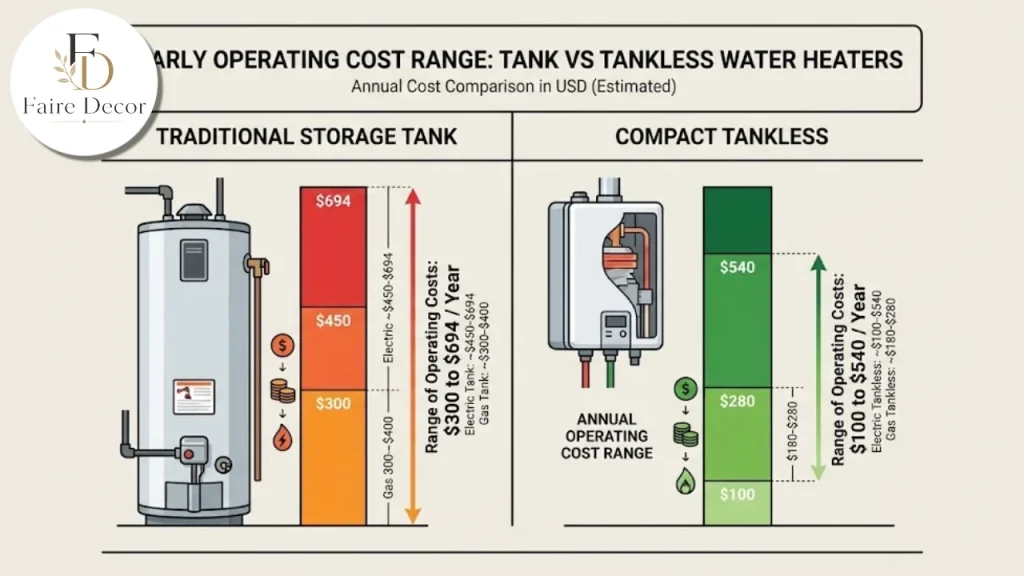
The up-front tankless water heater cost to install is half the story. This Old House says a tank heater costs $440 to $580 per year to operate, while tankless costs $300 to $540 per year for electric and $192 to $264 per year for gas.
It cites a 24 to 34 percent energy saving attributed to ENERGY STAR and the Department of Energy, and a lifespan of 15 to 20 years for tankless versus 8 to 12 for tanks.
Bob Vila says gas tankless units can last 20 years or more and puts natural gas operating cost at about $200 per year and propane at about $350. NerdWallet gives a lifespan of about 20 years for tankless and 10 to 15 for tanks.
This Old House gives no specific payback period. It says only that the heater can pay itself back with lower utility bills. I did not find a sourced payback figure, so I am not offering one. Your payback depends on your fuel prices, hot-water use, and the final installed cost.
One caution: This Old House says switching from gas to electric tankless adds $25 to $45 monthly in electricity costs. If you change fuels, run the numbers on both utilities.
Maintenance and ongoing costs
Tankless heaters need regular care. This Old House lists annual descaling for gas units at about $100 to $500 and annual system cleaning at $100 to $200. Bob Vila puts maintenance at $45 to $200 per hour, usually 1 to 2 hours.
Hard water makes scale build up, so your water quality changes the maintenance bill. Ask the installer about flushing valves, which make descaling simpler.
Rebates and tax credits: check before you count on them
Incentives can change the real cost, but they change often.
This Old House still mentions a federal tax credit of 30 percent, up to $600, for qualifying gas units. However, ENERGY STAR’s page on the credit says it applies to products purchased and installed between January 1, 2023, and December 31, 2025.
By that date, the credit has ended for new installs. The This Old House mention appears stale, so do not count on a federal credit for a 2026 install unless a current source says otherwise.
Other incentives are local. This Old House lists utility rebates of $100 to $300, brand rebates of $100 to $400, and local incentives of $20 to $1,000. Check your utility’s website and the manufacturer’s current promotions before you buy, and ask the installer which ones they handle.
DIY or hire a professional?
NerdWallet says DIY can save a significant share of the project cost, but it generally advises against it. The risks it lists include voided warranties, plumbing code violations, permit requirements,
improper locations,s and inadequate seismic strapping. It also notes that labor often costs as much as the heater itself.
Gas and high-voltage electrical work are not forgiving. Even a confident DIYer should think hard before touching a gas line or a panel. Many warranties require professional installation, so read yours first.
Where tankless fits in a bigger home budget
A water heater is rarely the only project on the list. If you are planning a bathroom upgrade alongside it, our guide to shower renovation cost shows how to budget the other half of the hot-water story. Our renovation tips article helps you sequence projects so you are not opening the same wall twice.
If you are adding space, our guides on home additions and prefab homes explain how new square footage changes your hot-water needs.
A converted attic or a window attic renovation may need new plumbing runs, and if the heater sits in an attic or crawlspace, our Havenly DIY guide to attic insulation is worth reading to keep pipes and equipment protected.
If you are thinking about outdoor upgrades the same season, our gutter installation cost calculator is a handy companion for budgeting, and our home decor ideas that actually work post helps you spend the rest of the money wisely.
Does a tankless heater help resale?
I did not find a sourced figure for resale value, so I am not claiming one. A newer, efficient heater is a selling point in many listings, and buyers often ask about the age of major systems.
If you plan to sell soon, our guide on how to sell your home fast covers what buyers notice, and it may help you decide whether this upgrade belongs on your list.
Questions to ask every installer
Bring these to each quote visit.
Is this quote itemized by unit, labor, venting, gas line, electrical, permit,t and removal?
What is the exact model number, and is it condensing?
Can my existing gas line, meter, and vent be reused?
Does my electrical panel have capacity, or is an upgrade needed?
Who pulls the permit, and is the fee included?
Is removal and disposal of the old heater included?
What warranty applies to the unit and to your labor?
Do you install flushing valves for easier descaling?
What rebates can you help me claim?
What could change the price after work begins?
Write the answers down and compare. A clear installer will not mind the questions.
A quick pre-quote checklist
Photo of the current heater, its label, and the gas meter
Notes on peak hot-water use: showers, dishwasher, laundry
Panel photo with the door open, for electric models
Location of the current vent and the shortest exterior wall
Three itemized quotes with model numbers
Permit and inspection costs confirmed
Rebates checked for your utility and the manufacturer
Warranty terms read before signing
Final thoughts on the tankless water heater cost to install
The tankless water heater cost to install is not one number. Published guides put a straightforward swap somewhere around $1,200 to $3,900, while jobs that need new venting
a larger gas line or electrical upgrades can run well beyond that, and ConsumerAffairs reports full conversions up to $10,500. The unit is only one piece, and labor is often as large.
Collect itemized quotes, check your gas line and panel before you choose a fuel, and do not count on a federal credit that has already ended. Ask what each installer includes and compare like with like. A careful quote now is the best way to keep the final bill close to the estimate.
This article is general information, not plumbing, electrical, or financial advice. Prices are national ranges from commercial websites and will differ by location. Confirm costs, codes,s and permits with local licensed professionals before you buy.
FAQs:
How much does it cost to install a tankless water heater?
Published guides put a typical install around $1,200 to $3,900 (This Old House, Bob Vila, NerdWallet), while ConsumerAffairs reports $2,400 to $5,400 typical and up to $10,500 for full conversions. Retrofit work drives the difference.
Is gas or electric cheaper to install?
This Old House lists $650 to $2,500 total for electric and $1,650 to $3,500 for natural gas, but electric can need panel upgrades and gas can need venting and a larger gas line. Your house decides.
How much does labor cost?
NerdWallet gives $600 to $1,900 for tankless labor. Bob Vila gives $600 to $1,850, and ConsumerAffairs gives $750 to $1,300 for gas and $650 to $950 for electric.
Do I need a permit?
Often yes. Guides list permits at $25 to $500 depending on location. Check with your building department or ask your installer who pulls it.
Is there a federal tax credit in 2026?
ENERGY STAR says the 30 percent credit (up to $600) covered products installed between January 1, 2023, and December 31, 2025, so it has ended. Check utility and manufacturer rebates instead.
How long does a tankless water heater last?
This Old House gives 15 to 20 years, NerdWallet about 20 years, and Bob Vila says gas units can last 20 years or more. Maintenance such as descaling affects this.