

What if the most beautiful rug in your home didn’t come from a store — but from your own two hands? There’s something deeply satisfying about walking into a room and knowing that the gorgeous diy area rug underfoot is something you created yourself. Whether you’re trying to fill a large living room space on a tight budget, match a very specific color palette, or simply unleash your inner crafter, making your own rug is one of the most rewarding home improvement projects you can take on.
The good news? You don’t need professional training or expensive equipment. With the right fabric, a little patience, and a clear set of instructions, you can make a rug that looks like it came straight from a high-end boutique. This guide covers everything — from choosing the best rug fabric to finishing techniques that make your creation washable, durable, and truly one-of-a-kind.
Across the United States, the handmade home décor market has exploded. According to a 2023 Etsy Trend Report, searches for handmade home goods grew by over 34% year-over-year, with rugs being among the top-requested items. That tells you something important: people are tired of cookie-cutter interiors and want pieces with personality. A homemade rug gives you exactly that — a piece with your personality baked into every stitch.
Ready to get started? Let’s walk through every method, material, and technique you need to make your own rug with confidence.
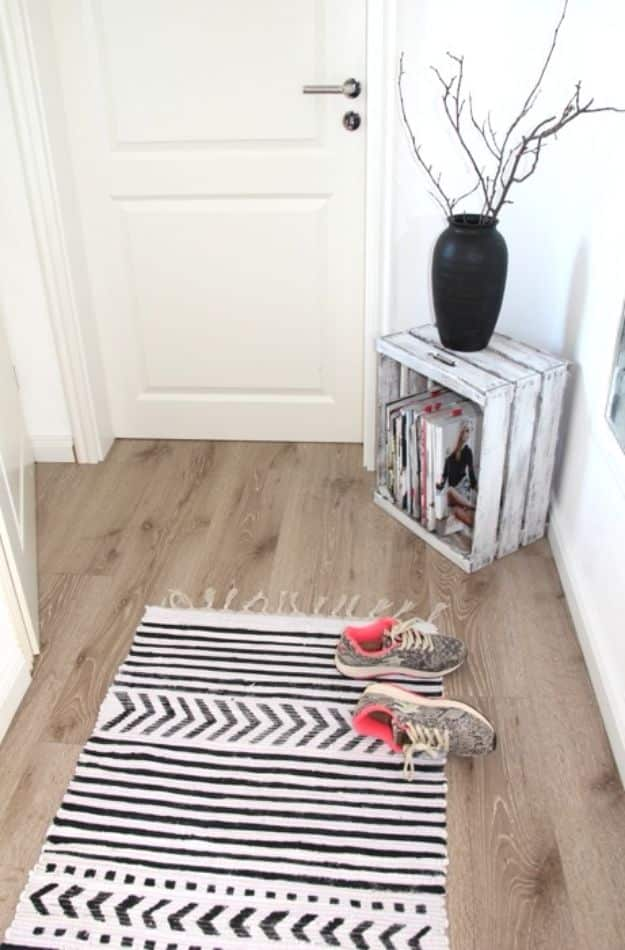
A collection of beautiful DIY area rugs made from fabric, yarn, rope, and upcycled materials — proof that homemade rugs can rival store-bought ones in style and quality.
Why Making Your Own Rug Makes Total Sense
Before diving into the how to make a rug process, let’s talk about the “why.” Store-bought rugs in larger sizes can cost anywhere from $150 to well over $1,000, depending on the material and brand. A comparable diy large area rug made from fabric remnants or repurposed materials can cost a fraction of that price — sometimes under $30.
Beyond cost savings, making rugs at home gives you total creative control. You choose the colors, the pattern, the texture, and the size. You can match your rug exactly to your sofa, your curtains, or your children’s bedroom theme. And unlike a mass-produced piece, your rug will have a story — which is something no store can sell you.
The Key Benefits of DIY Rug Making
- Budget-friendly: Use fabric scraps, old t-shirts, or discounted yardage
- Fully customizable: Choose your own colors, size, and patterns
- Eco-conscious: Repurpose old fabrics and reduce textile waste
- Therapeutic: The repetitive motion of weaving or braiding is genuinely relaxing
- Pride of ownership: Every time someone compliments it, you can say “I made that”
What Do You Need to Make a Rug? Your Complete Supply List
Before jumping into diy rug making, it’s important to gather the right materials. The supplies you’ll need depend on the method you choose, but here’s a comprehensive overview of the most commonly used items:
Basic Supplies for Most Methods
- Rug fabric: Cotton, canvas, denim, burlap, or repurposed clothing fabric
- Rug backing or non-slip pad
- Heavy-duty scissors or rotary cutter
- Cutting mat and ruler
- Fabric glue or sewing machine
- Needle and thread (upholstery weight)
- Optional: Rug hooking tool, latch hook, or braiding clips
When people ask “what do you need to make a rug”, the most honest answer is: it depends on your method. A braided rug needs very little equipment. A latch hook or tufted rug needs a frame. A sewn fabric rug just needs a sewing machine and your creativity.
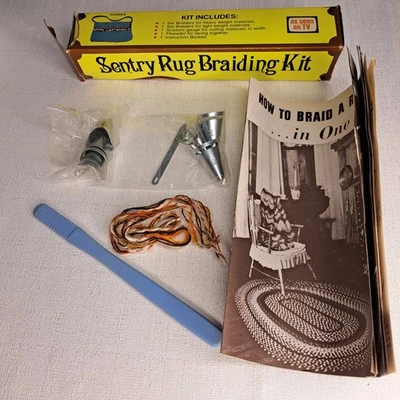
A classic rug braiding kit with fabric strips and tools — everything you need laid out to start your first DIY rug project. No sewing machine required for this beginner-friendly method.
How to Make a Rug: 4 Most Popular Methods Explained
There is no single “right” way to make your own area rug. Different methods suit different skill levels, materials, and aesthetics. Below are the four most popular approaches — each explained step by step.
Method 1: How to Make a Rug with Fabric Strips (Braided Rug)
The braided rug is one of the oldest and most beloved forms of handmade rugs diy enthusiasts love. It’s particularly popular because it requires zero sewing skill and uses fabric scraps you probably already have.
Here’s how to do it:
- Cut your fabric into 2–3 inch wide strips. Old t-shirts, bed sheets, or cotton fabric work beautifully.
- Join the strips end-to-end by cutting small slits and looping them together — no sewing needed.
- Braid three strands together tightly and consistently.
- Coil the braid in an oval or circular shape, sewing or lacing the rows together as you go.
- When you reach your desired size, tuck and secure the ends.
This method is ideal for beginners who want to make rugs at home without investing in tools. A medium-sized braided rug (4’x6′) typically takes 8–12 hours of braiding time spread across a weekend.
Method 2: How to Sew a Rug (Strip-Sewn Fabric Rug)
If you have a sewing machine, this is one of the fastest ways to make a custom rug with a polished, intentional look. This method is ideal for those who want to build your own rug with precise color control.
How to sew a rug step by step:
- Cut your fabric into long strips (1–2 inches wide).
- Press and fold each strip in half lengthwise, then sew along the edge to form a fabric rope.
- Coil your fabric rope into your desired rug shape.
- Zigzag stitch the coils together across the top using a wide machine stitch.
- Finish the edges with whipstitching or fabric glue for a clean look.
This approach gives you a truly diy fabric rug that’s dense, durable, and washable. It’s especially popular for kitchen rugs and bathroom mats because the fabric holds up well to repeated washing.
Method 3: How to Make a Rug Out of Fabric Using Latch Hook
Latch hooking is a traditional method that results in a beautifully textured, plush rug. If you’ve ever seen those pixel-art style rugs with a cut-yarn loop surface, that’s latch hooking at work. Wondering how to make rugs at home with professional-looking results? This is your answer.
Steps:
- Purchase a latch hook canvas (available at craft stores)
- Cut your fabric or yarn into short lengths (about 2.5 inches)
- Use the latch hook tool to pull each piece through the canvas mesh and knot it
- Work row by row following your pattern or design
- Back the finished piece with a rug pad or iron-on backing
Latch hooking is meditative and satisfying. It’s also a great way to make custom rugs with intricate designs — even photos can be translated into rug patterns using free online software.
Method 4: How to Make an Area Rug from Canvas (No-Sew Method)
This is perhaps the most beginner-friendly of all diy rugs ideas. It involves painting or stenciling a drop cloth or canvas painter’s tarp, then sealing it — and voilà, you have a diy area rug from fabric that looks intentional and polished.
Here’s how:
- Purchase a canvas drop cloth (9’x12′ costs around $20 at hardware stores).
- Wash and dry it to remove sizing and pre-shrink the fabric.
- Fold the edges under 1 inch on all sides and iron flat; glue or sew in place.
- Paint your desired design using acrylic or chalk paint with a stencil or freehand.
- Seal with a water-based polyurethane varnish for durability.
- Add a non-slip rug pad underneath.
This no-sew approach is perfect for renters who need a diy large rug quickly and inexpensively. The entire project can be completed in a single weekend, and the results are genuinely impressive.
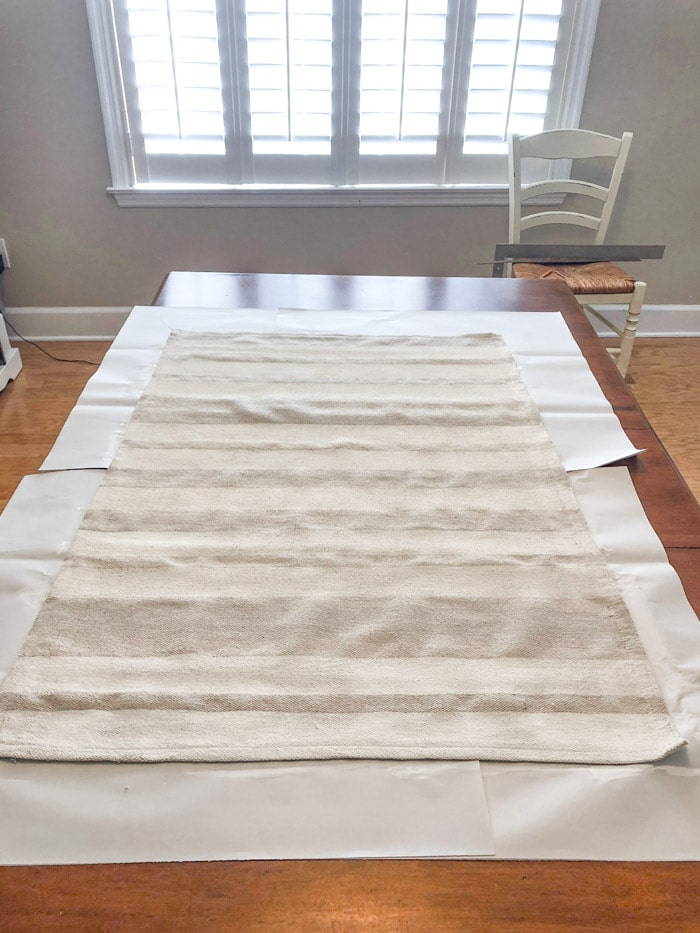
A canvas drop cloth transformed into a stunning custom area rug using chalk paint and a Moroccan stencil — one of the easiest and most budget-friendly DIY rug methods available.
How to Make Your Own Rug Washable and Long-Lasting
One of the most common questions in the diy rug making community is: “Can I wash this?” The answer is yes — if you take the right steps from the start. Here are the key practices to ensure your homemade rug stands the test of time (and the laundry machine):
- Pre-wash your fabric before cutting it to prevent shrinkage later
- Use colorfast dye or prewashed fabric to prevent bleeding
- Choose a machine-washable backing like cotton canvas rather than jute or sisal
- Sew all seams securely with upholstery or denim thread
- Use cold water on the gentle cycle for washing
- Air-dry flat whenever possible to preserve shape
One pro tip: if you love the concept of rugs that go in the washing machine — look into DIY Ruggables. The Ruggable brand pioneered the washable rug system using a two-piece design: a top rug cover that attaches to a non-slip pad. You can actually replicate this at home by sewing a rug cover that can be removed and washed separately from a fixed pad. Many crafters have developed their own diy ruggables-style systems using Velcro and non-slip mat material — it’s a game-changer for households with kids or pets.
Choosing the Right Size: DIY Area Rug Dimensions for Every Room
Before you start making a rug, you need to know what size works for your space. Sizing errors are one of the most common mistakes in both store-bought and diy area rugs projects. Here’s a quick reference:
| Room | Recommended Rug Size | Notes |
| Living Room | 8’x10′ or 9’x12′ | All furniture legs on rug |
| Dining Room | 6’x9′ or 8’x10′ | Chair legs on rug when pulled out |
| Bedroom | 5’x8′ or 6’x9′ | Extends 2ft beyond bed sides |
| Hallway | 2’x8′ runner | Covers 2/3 of hallway length |
| Kitchen | 2’x3′ or 3’x5′ | Anti-fatigue, washable priority |
For a diy large area rug (anything over 8’x10′), the canvas no-sew method is often the most practical because you can use a single drop cloth and avoid piecing together multiple fabric sections.
Choosing the Best Rug Fabric for Your DIY Project
Selecting the right rug fabric is arguably the most important decision in your entire project. The wrong material can lead to a rug that piles, stretches out of shape, or falls apart after a few months. Here’s a breakdown of the most popular options for fabric rugs:
Cotton
Cotton is the most forgiving and widely available fabric for rug making. It’s soft, machine-washable, and available in hundreds of colors and prints. Old cotton t-shirts, bed sheets, and cotton canvas are all excellent choices. The main downside? It can stretch slightly over time, especially in high-traffic areas.
Denim
Denim (from old jeans) is one of the most durable options for a homemade rug. It’s thick, holds its shape beautifully, and has a casual, rustic aesthetic. Braided denim rugs, in particular, are nearly indestructible and perfect for mudrooms, entryways, or anywhere that sees heavy foot traffic.
Wool
Wool is the premium choice for rug making. It’s naturally stain-resistant, durable, and has a luxurious feel underfoot. However, it requires more careful washing (hand-wash or dry clean) and costs more than cotton or denim. Wool is best used for decorative rugs in lower-traffic spaces.
Synthetic Fabrics (Fleece, Felt, Polyester)
For indoor-outdoor rugs or mudrooms, synthetic fabric rugs are a smart choice. They resist moisture and mildew, dry quickly, and come in vibrant colors. Felt is particularly popular for no-sew rug projects because the edges don’t fray and it holds its shape beautifully.
Advanced DIY Rug Making Tips That Most Tutorials Skip
Once you’ve mastered the basics of how to make rug projects, there are a few pro-level tips that can elevate your results significantly. These are the things experienced crafters know but rarely talk about in beginner tutorials.
Use a Rug Gripper, Not Just a Pad
Most beginner diy rug tutorials recommend throwing a non-slip mat under your finished rug. That works, but a better approach is to use rug gripper tape — an adhesive strip that bonds the rug to the floor directly. This is especially important for lightweight fabric rugs that tend to bunch up on hardwood or tile floors.
Finish Your Edges Like a Pro
One telltale sign of an amateur home made rug is fraying edges. To prevent this, always use one of the following edge finishes: serging (overlock stitching), binding tape, or a zigzag stitch with fabric glue over the top. For canvas-based rugs, simply fold the edge under twice and sew or glue it flat.
Experiment with Dyeing for Custom Colors
Can’t find the exact fabric color you need? Dye it. Fabric dye (Rit brand is widely available) allows you to make your own carpet in literally any color combination. You can even create an ombre effect by gradually dipping your fabric into the dye bath. Just be sure to set the dye with hot water and salt for cotton, or vinegar for wool, to prevent bleeding.
Add a Backing for Structure and Durability
For rugs larger than 3’x5′, always add a fabric or rubber backing. This not only prevents slipping but also gives the rug structure so it lies flat and doesn’t bunch or buckle. Sew the backing directly to the rug using a whipstitch around the perimeter, leaving a 1-inch hem on all sides.
Getting Inspired by Ruggable: How to Make Custom Rugs at Home
The diy ruggables concept has inspired thousands of home crafters to rethink what a rug can be. Traditional rugs are fixed — you put them down and they stay. The Ruggable innovation was a two-layer system: a soft, decorative cover that snaps magnetically onto a non-slip base, making the cover machine washable and easily replaceable.
You can make custom rugs at home using a similar system with readily available materials. Here’s the basic concept:
- Cut a piece of anti-fatigue foam mat to your desired rug size
- Sew or glue Velcro strips around the perimeter of the foam base
- Create a fabric cover slightly larger than the base with matching Velcro on the underside
- Snap the cover onto the base — and you have your own DIY washable rug system
This approach lets you make a custom rug that can be switched out seasonally — one cover for winter, one for summer — while the base stays in place. It’s the perfect solution for making custom rugs for households that want flexibility without sacrificing style.
Frequently Asked Questions
What is the easiest method for making rugs at home for beginners?
The easiest method for beginners is the braided rug technique. All you need is fabric strips and a few hours. You can make rugs at home without any special tools — just cut, braid, and coil. The canvas painted rug is a close second for a virtually no-skill-required option.
How do you make a rug from old clothes?
Cut old t-shirts, jeans, or sweaters into long strips and braid or weave them together. This is one of the most sustainable and affordable ways to make your own rugs — and it results in a truly one-of-a-kind piece that has sentimental value.
How long does it take to make a fabric rug?
It depends on the method and size. A small braided rug (2’x3′) can be completed in 3–4 hours. A diy large area rug using the canvas method can be done in a weekend (8–12 hours total, including drying time). Latch hook rugs take longer — sometimes weeks for larger sizes.
Can I make a rug without sewing?
Absolutely. The no-sew canvas rug method, braided rugs without sewing, and felt rug techniques are all excellent ways to make a rug without ever touching a needle or sewing machine. Fabric glue and iron-on hem tape are your best friends for these projects.
What is the best fabric for a DIY area rug?
For durability and ease of care, cotton and denim are the top choices. Cotton fabric rugs are soft and washable; denim rugs are virtually indestructible. For a premium feel, wool is excellent but requires more maintenance.
How do I make a rug non-slip?
Place a non-slip rug pad underneath, or apply non-slip rug gripper tape to the backing. You can also purchase non-slip spray or liquid latex, which is painted onto the underside of the rug and dries to form a grippy surface — perfect for lightweight fabric rugs.
How do I make my own rug washable?
Pre-wash your fabric, use colorfast materials, and sew all seams securely with durable thread. For the diy ruggables-style system, create a removable cover that can go straight into the washing machine.
Is it cheaper to make your own rug?
In most cases, yes — significantly cheaper. A store-bought 8’x10′ rug can easily cost $300–$800. A comparable diy area rug from fabric can be made for as little as $20–$60 using drop cloths, fabric remnants, or repurposed clothing. The savings are particularly dramatic for large or custom sizes.
Can I make a custom rug with my own design?
Yes! The canvas painting method is the easiest way to make a custom rug with any design you want. You can also use latch hooking or weaving to create pixel-art style patterns. Free online tools let you convert photos or logos into rug patterns, making making custom rugs at home more accessible than ever before.
What is the difference between a rug and a carpet?
A rug is a loose floor covering that doesn’t span wall-to-wall; a carpet is typically installed permanently and covers the entire floor. When people ask how to make carpet at home, they’re usually referring to creating a large area rug — the methods are the same. True wall-to-wall making carpet requires professional tools and installation.
Conclusion
There has never been a better time to embrace the art of diy rug making. With accessible materials, beginner-friendly methods, and a creative community sharing inspiration online every day, anyone can create a beautiful, functional rug that perfectly fits their space and style.
Whether you choose the rustic charm of a braided rug, the precision of a sewn fabric rug, the artistic freedom of a painted canvas rug, or the textured luxury of a latch hook design — the process of making your own rug is as rewarding as the finished product itself. And with the practical tips in this guide — from choosing the right rug fabric to finishing your edges like a professional — you have everything you need to succeed. So pull out those fabric scraps, lay out your drop cloth, or fire up the sewing machine. Your next diy area rug is just a few hours (and a little creativity) away. Happy making!