

There’s a particular kind of frustration that comes with staring at a backyard that just doesn’t feel finished. Maybe the patio furniture is mismatched, the flower beds look tired by July, or the whole space just lacks that “I actually want to sit out here” feeling. If that sounds familiar, you’re not alone — and it’s exactly why garden tips decoradhouse has become such a popular starting point for homeowners trying to figure out where to even begin.
The good news is that transforming an outdoor space rarely requires a massive budget or a professional crew. Most of the time, it comes down to a handful of smart decisions: the right plants in the right spots, furniture that actually fits the scale of your yard, and a few finishing touches that tie everything together. This guide walks through exactly that, pulling together practical, tested ideas rather than vague inspiration you can’t actually use.
What makes this approach different is that it treats your garden and patio as one connected space, not two separate projects. A stunning flower bed next to a cracked, cluttered patio still feels unfinished. So instead of jumping straight into plant lists, we’re going to look at the whole picture — layout, materials, lighting, seasonal changes, and the small hacks that make maintenance easier — so the end result actually holds together.
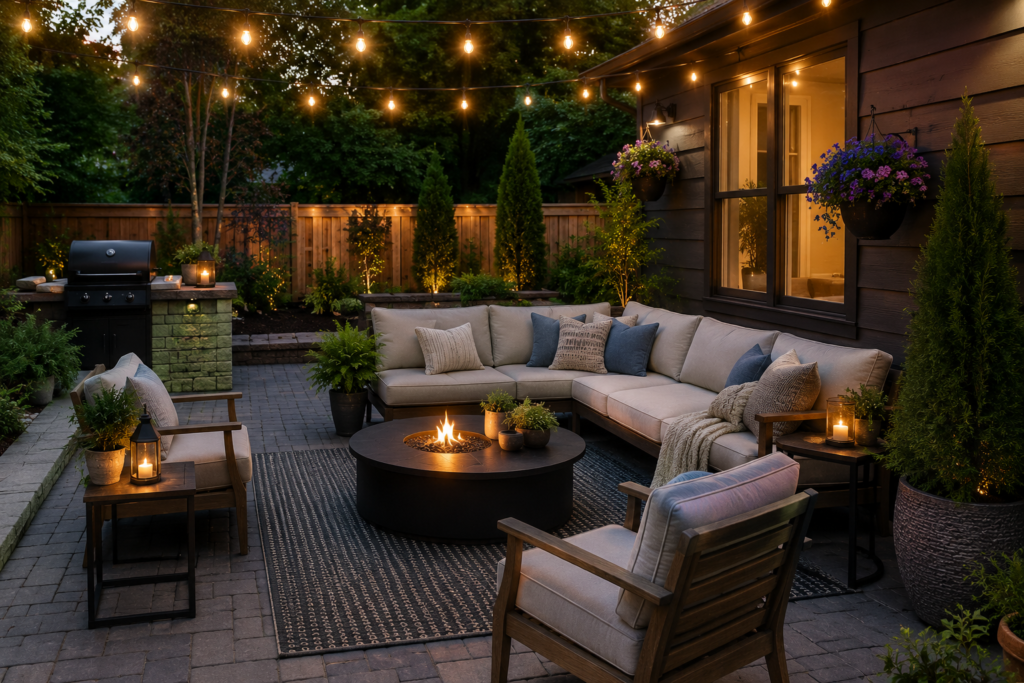
Cozy backyard patio makeover with comfortable seating
Why Garden Tips DecoradHouse Ideas Are Trending Right Now
Outdoor living has shifted from an afterthought to one of the most valued parts of a home. According to housing and lifestyle surveys over the past few years, a well-kept backyard and patio consistently rank among the top features that influence how buyers perceive a property’s value. That shift explains why so many people are searching for garden tips decoradhouse style guidance — they want outdoor spaces that feel intentional, not accidental.
There’s also a practical reason behind the trend. More people are spending time working from home, hosting small gatherings in their own backyards, and looking for low-cost ways to relax without traveling. A garden that actually functions — with shade, seating, and a bit of greenery — solves a real problem. It’s not about chasing a trend for its own sake; it’s about making the space outside your door genuinely usable.
The Core Idea Behind Every Successful Garden Refresh
Before diving into specific hacks, it helps to understand the underlying principle that ties good outdoor design together: consistency between function and style. A beautiful garden bed means little if there’s nowhere comfortable to sit and enjoy it. A gorgeous patio set feels out of place if it’s surrounded by patchy grass and overgrown weeds. The most successful garden tips decoradhouse followers use start with a simple question: what do I actually want to do out here — eat, relax, entertain, garden — and then build outward from that answer.
Patio Decoration DecoradHouse Ideas That Actually Work
Patios are often the anchor of an outdoor space, which is why patio decoration decoradhouse approaches tend to focus heavily on layout before anything else. A patio that’s too cramped with furniture feels cluttered; one that’s too sparse feels unfinished. The general rule of thumb used by outdoor designers is to leave at least three feet of walking space around any seating arrangement.
Choosing the Right Furniture
Furniture scale matters more than most people expect. A common mistake is buying an oversized sectional for a small patio, which ends up dominating the space and making it harder to move around comfortably. Instead:
- Measure your patio dimensions before shopping, not after.
- Choose furniture with slimmer profiles for smaller areas — bistro sets or loveseats instead of full sectionals.
- Look for weather-resistant materials like resin wicker, powder-coated aluminum, or teak, which hold up better against sun and rain than untreated wood.
- Add a mix of seating heights (a low coffee table paired with slightly taller chairs) to make the layout feel more dynamic.
Lighting That Transforms the Space
Lighting is one of the most underrated tools in outdoor design. String lights remain popular for a reason — they’re inexpensive, easy to install, and instantly make a patio feel warmer in the evening. Solar-powered path lights along garden borders add both safety and ambiance without adding to your electric bill. For a slightly more polished look, lantern-style fixtures near seating areas create pockets of warm light that feel intentional rather than utilitarian.
Decoradyard Garden Tips By Decoratoradvice For Small Spaces
Not everyone has a sprawling backyard to work with, and that’s exactly where decoradyard garden tips by decoratoradvice shine — they’re built around the idea that limited space doesn’t mean limited style. Vertical gardening is one of the most effective solutions here. Wall-mounted planters, tiered plant stands, and hanging baskets let you add greenery without eating into floor space.
Container gardening is another practical option for small yards, patios, or even balconies. Grouping pots of varying heights creates visual interest, and it gives you the flexibility to rearrange your layout as plants grow or seasons change. A few tips that tend to make the biggest difference in tight spaces:
- Use raised planter boxes to define zones without building permanent structures.
- Choose compact or dwarf plant varieties bred specifically for container growth.
- Position taller plants toward the back or against walls to avoid shading smaller ones.
- Add a small trellis for climbing plants like jasmine or clematis to maximize vertical greenery.
Research from horticultural extension programs has consistently shown that even small amounts of greenery — as little as a few potted plants — can measurably improve mood and reduce stress levels for people spending time in that space. That’s a strong argument for prioritizing plants even when square footage is limited.
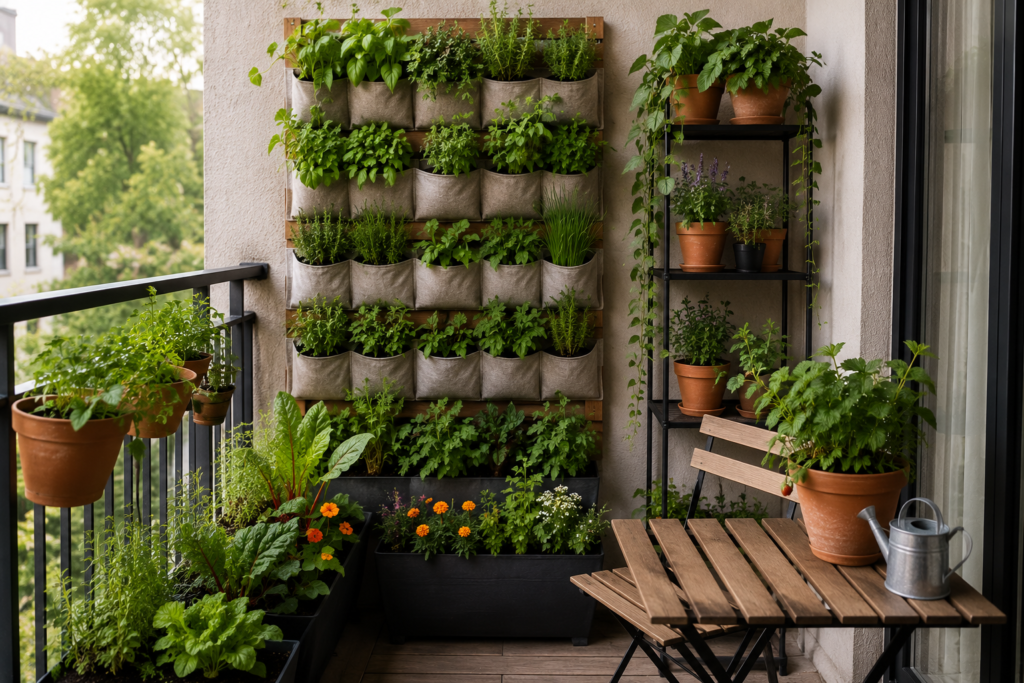
Vertical planters and container gardens for small-space gardening
Garden Hacks DecoradHouse Every Beginner Should Know
If you’re newer to gardening, a few garden hacks decoradhouse enthusiasts swear by can save you time, money, and a lot of trial and error. These aren’t complicated tricks — they’re small adjustments that add up to healthier plants and less maintenance work.
Soil and Watering Shortcuts
- Add a two-inch layer of mulch around plants to reduce water evaporation by up to 25%, according to agricultural extension studies, meaning less frequent watering overall.
- Water early in the morning rather than midday, when evaporation rates are highest and less moisture actually reaches the roots.
- Reuse eggshells and coffee grounds as natural soil amendments — eggshells add calcium, and coffee grounds slightly improve soil structure over time.
Pest Control Without Harsh Chemicals
Many beginner gardeners reach for chemical pesticides at the first sign of trouble, but there are gentler options that work well for common problems:
- A diluted mixture of water and mild dish soap can control aphids without harming beneficial insects.
- Companion planting — for example, growing marigolds alongside vegetables — naturally deters certain pests while attracting pollinators.
- Encouraging ladybugs and lacewings into the garden provides a natural, ongoing form of pest control since both insects feed on aphids and other soft-bodied pests.
Tool and Time-Saving Tricks
A drip irrigation system, even a basic DIY version made from a soaker hose, can cut watering time dramatically while delivering moisture directly to root zones instead of leaves — which also helps prevent fungal issues. Keeping a small gardening caddy stocked with gloves, pruners, and a hand trowel near the door means you’re more likely to spend five spare minutes tending the garden instead of skipping it because the tools are buried in a shed.
Decor Tips DecoradHouse For A Cohesive Outdoor Look
Once the plants and furniture are in place, the next layer is styling — and this is where decor tips decoradhouse guidance really helps tie a space together. The goal is cohesion: a consistent color palette, repeated materials, and accessories that feel like they belong together rather than being randomly collected.
Color Palette Consistency
Choosing two or three main colors for cushions, planters, and accessories keeps a space from feeling chaotic. Neutral bases (like beige, gray, or terracotta) paired with one accent color — sage green, dusty blue, or warm rust — tend to photograph well and age well as trends shift, since you’re not locked into a bold, hard-to-match palette.
Layering Textures
Mixing materials — woven rattan, smooth ceramic planters, weathered wood — adds depth without adding clutter. A simple rule: if everything in the space is the same material, it tends to look flat; if everything is different, it tends to look messy. Aim for two or three complementary textures repeated throughout the space.
Functional Decor Pieces
Outdoor rugs, weatherproof throw pillows, and a couple of well-placed lanterns do a lot of visual work for relatively little cost. These are also some of the easiest items to swap seasonally, letting you refresh the look of a patio without replacing furniture every year.
From Decoratoradvice Decoration Ideas Decoradyard: Seasonal Inspiration
Outdoor spaces change with the seasons, and one of the more useful mindsets from decoratoradvice decoration ideas decoradyard promotes is planning for that shift rather than being caught off guard by it. A garden that looks great in June can look bare by October if there’s no seasonal planning involved.
Spring and Summer
Focus on flowering annuals for quick color, shade solutions like umbrellas or pergola covers, and lightweight furniture that’s easy to rearrange for entertaining.
Fall and Winter
Swap bright annuals for hardier perennials or ornamental grasses that hold their structure through colder months. Adding warm-toned string lights or a small fire pit extends usability into cooler evenings, and swapping thin summer cushions for weatherproof, insulated options keeps the seating area functional longer into the year.
How To Renovate My Patio DecoradHouse Style Step by Step
For anyone specifically wondering how to renovate my patio decoradhouse style, without hiring a contractor, breaking the project into stages makes it far less overwhelming.
Step 1: Assess the Existing Surface
Check for cracks, uneven pavers, or drainage issues before adding anything new. Small cracks in concrete can often be filled with a basic concrete patch, while larger structural issues may need a professional’s input — patching first saves you from decorating over a problem that will just resurface later.
Step 2: Define the Layout
Sketch a rough plan of where seating, dining, and planting zones will go. Even a simple pencil-and-paper layout prevents the common mistake of buying furniture that doesn’t actually fit once it’s delivered.
Step 3: Choose a Flooring Refresh (If Needed)
Options range from budget-friendly outdoor rugs and interlocking deck tiles to more involved projects like stamped concrete or paver replacement. Interlocking tiles are a popular middle ground since they can often be installed in a weekend without special tools.
Step 4: Add Furniture and Greenery Together
Rather than furnishing first and adding plants as an afterthought, bringing them in together helps you gauge scale and spacing more accurately from the start.
Step 5: Finish With Lighting and Accessories
This is the stage where the space starts to feel complete — string lights, planters, cushions, and a rug pull everything together into a cohesive final result.
Decoradhouse Home Exterior Hacks To Boost Curb Appeal
A backyard transformation is only part of the picture. Decoradhouse home exterior hacks extend the same principles to the front of the house, where first impressions matter most — both for personal pride and, if you’re ever selling, for resale value.
Quick Wins for the Front Exterior
- Repaint the front door in a bold, weather-appropriate color; real estate appraisers have noted that a freshly painted front door is one of the more cost-effective upgrades for perceived home value.
- Add symmetrical planters on either side of the entryway for an instantly polished look.
- Replace outdated house numbers and mailbox hardware — small details that are inexpensive but highly visible.
- Power-wash siding, walkways, and the driveway to remove built-up grime that dulls the overall appearance.
Low-Maintenance Landscaping for the Front Yard
Front yards typically get less daily attention than backyards, so choosing drought-tolerant, low-maintenance plants like lavender, ornamental grasses, or native perennials reduces upkeep while still keeping the space looking intentional year-round.
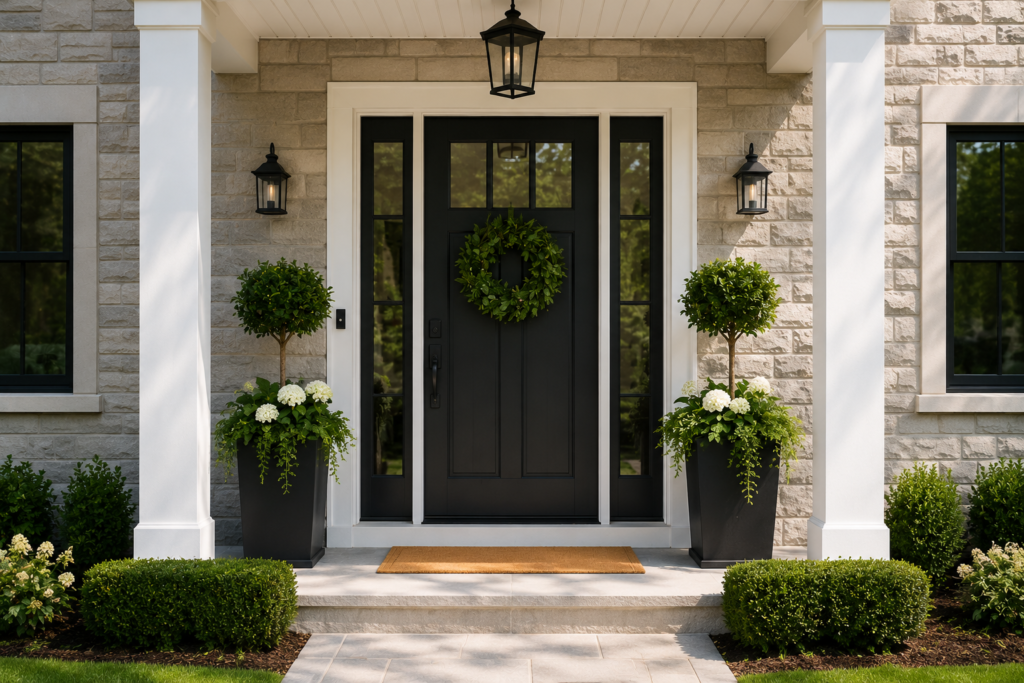
Front entryway with symmetrical planters and a fresh front door
Frequently Asked Questions
What is the fastest way to improve a backyard without a full renovation?
Adding potted plants, an outdoor rug, and string lighting can transform the feel of a space in a single weekend without any structural changes or major spending.
How often should I water container gardens compared to in-ground beds?
Container gardens typically dry out faster than in-ground beds and often need watering every one to two days during warm weather, while in-ground plants can usually go several days longer between waterings depending on soil type and mulch coverage.
Do I need a professional to renovate a cracked patio?
Small, surface-level cracks can usually be patched with a basic concrete filler as a DIY project. Larger structural cracks or uneven settling are worth having a professional assess, since they can indicate drainage or foundation issues underneath.
What plants work best for small patios or balconies?
Compact herbs, dwarf shrubs, and trailing plants like petunias or sweet potato vine tend to perform well in containers and don’t require the root space that larger garden plants need.
How can I make my patio furniture last longer outdoors?
Choosing weather-resistant materials like powder-coated aluminum or treated teak, along with using furniture covers during off-seasons, significantly extends the lifespan of outdoor furniture compared to leaving it fully exposed year-round.
Is mulch really necessary for a home garden?
Mulch helps retain soil moisture, suppress weeds, and regulate soil temperature, which reduces both watering frequency and time spent weeding — making it one of the more effective low-effort additions to any garden bed.
What’s a budget-friendly way to add lighting to a garden?
Solar-powered path lights and string lights are among the most affordable options since they don’t require professional electrical work and can be installed in under an hour.
How do I choose a color palette for outdoor decor?
Sticking to two or three main colors — typically a neutral base with one accent shade — keeps the space looking cohesive rather than cluttered, and makes it easier to update accessories seasonally without a full redesign.
Conclusion
Building a garden and patio space you genuinely enjoy doesn’t happen all at once, and it doesn’t need to. Small, consistent changes — better lighting, the right furniture scale, a bit of seasonal planning, a fresh coat of paint on the front door — tend to add up to something that feels far more polished than any single big-budget project could achieve on its own. Whether you’re starting with a bare patio or refining a garden that’s already halfway there, the same principle holds true: match the space to how you actually want to use it, and let the style follow from that. Approached this way, outdoor decorating stops feeling like an overwhelming project and starts feeling like something you can genuinely enjoy putting together, one weekend at a time.