

If you’ve stumbled across this corner of the internet while searching for a guide lovelolablog readers keep recommending to their friends, you’re in good company. Lifestyle blogs come and go, but the ones that stick around usually have a reason — and figuring out that reason, before you spend your evening scrolling, can save you a lot of time.
This is a practical, no-fluff walkthrough of what the blog actually offers, why people keep coming back, and how to get the most out of it whether you’re there for a recipe, a decor idea, or just five minutes of something interesting to read with your coffee.
Think of this less as a sales pitch and more as a friend explaining what’s worth your attention and what you can skip. We’ll cover the content categories, the community side of things, a few surprising facts, and some practical tips — including how travel-related posts sometimes lean on tools like skyscannef and trainlinw style fare-comparison habits when readers plan trips featured on the site.
What Exactly Is Lovelolablog?
At its simplest, Lovelolablog is a lifestyle website that publishes articles across a handful of everyday categories: family life, food, home, relationships, and a surprising amount of practical how-to content. It isn’t trying to be a single-topic authority site. Instead, it works more like a magazine — you might read a recipe one day and a parenting reflection the next.
That breadth is actually the point. A reliable lovelolablog guide to the site usually starts by explaining that it isn’t built for one type of reader. It’s built for people juggling different interests at once: the parent who also wants weeknight dinner ideas, the homeowner who also enjoys a good personal essay, the reader who just wants something relatable after a long day.
This matters more than it might seem at first glance. Most people don’t sort their lives into neat categories — a single afternoon might involve worrying about a school pickup schedule, scrolling for dinner ideas, and half-watching a home renovation video. A blog that mirrors that mix, rather than forcing readers to bounce between five different single-topic sites, ends up feeling less like content and more like a habit.
Why a Multi-Topic Blog Works
Single-niche blogs are easier to rank for one keyword, but they ask a lot of their readers — you have to already know you want “fitness content” or “parenting content” specifically. A blended lifestyle format removes that friction. You land on one post, and three more related ones are right there, genuinely relevant to your life rather than just tangentially linked for traffic.
This is one reason research into reader behavior on lifestyle sites consistently shows longer session times when content is interconnected by life stage rather than narrow topic. People don’t experience their lives in single categories, so content that mirrors that mix tends to feel more natural to read.
There’s also a practical, almost boring reason multi-topic blogs survive longer than niche ones: algorithm changes hit single-category sites harder. If a blog only covers, say, parenting advice, one shift in how search engines weigh that specific topic can tank its traffic overnight. A blended lifestyle format spreads that risk across food, home, family, wellness, and a few smaller categories, so a dip in one area doesn’t sink the whole site. That resilience is part of why this style of blog tends to stick around for years rather than burning out after a single viral post.
The Problem Most Lifestyle Readers Run Into
Here’s a problem worth naming directly: most people don’t actually want to follow ten different niche blogs to cover ten different parts of their life. Bookmarking a separate site for recipes, another for parenting, another for home organization, and another for casual tech updates is exhausting, and most of those tabs end up unread within a month. A consolidated site solves that fatigue simply by existing — one place, one occasional check-in, several categories covered. It’s not a groundbreaking insight, but it’s the actual reason this format keeps working when so many single-topic blogs fade out after a year or two.
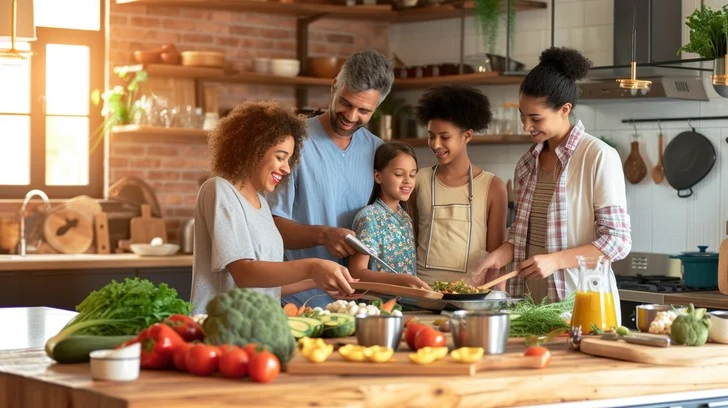
A family cooking together — the kind of everyday, relatable moment that shapes the blog’s food and family content.
Breaking Down the Lovelolablog Guide Approach
A proper lovelolablog guide isn’t just a list of categories — it’s an explanation of how the content is structured so you can actually use it. Here’s the breakdown most new readers find helpful:
- Family & relationships — everyday parenting reflections, communication tips, and milestone stories
- Food — quick recipes, lighter meal ideas, and practical cooking fixes for busy weeknights
- Home — decor inspiration, organization tactics, and budget-conscious DIY projects
- Wellness — simple routines rather than extreme regimens
- Travel and planning — trip ideas paired with the kind of fare-comparison habits readers associate with tools like skyscannef and trainlinw when mapping out routes
- Tech and digital culture — lighter commentary on trends affecting everyday life
How to Use the Guide Without Getting Overwhelmed
New readers often make the mistake of trying to read everything in one sitting. A smarter approach: pick the category that matches whatever’s actually on your mind this week. If you’re mid-renovation, start with the home content. If you’re cooking for a family that’s tired of the same five meals, start there instead. The lovelolablog guide structure is designed for dipping in and out, not binge-reading cover to cover.
Staying Current: Lovelolablog News and Updates
A lot of readers specifically search for lovelolablog news because lifestyle content dates quickly — a decor trend from three years ago looks dated fast, and a “current” parenting study needs to actually be current. The news-style posts on the site function as a running update on what’s changing, both on the platform itself and in the broader lifestyle space it covers.
This matters more than it sounds like it should. A 2023 Pew Research study on digital news consumption found that most readers under 45 now get lifestyle and trend information from blogs and social feeds rather than traditional outlets — which means a blog’s “news” section is often doing the job a magazine used to do.
What Counts as News on a Lifestyle Blog
It’s worth being clear-eyed here: news lovelolablog content isn’t breaking-news journalism. It’s closer to a trend roundup — new projects, community highlights, shifts in what’s popular in home design or family routines. If you’re checking in for lovelolablog news expecting hard news cycles, recalibrate your expectations; the value is in staying current on lifestyle shifts, not headlines.
That said, this kind of content does solve a real problem: most people don’t have time to track five different niche sites to stay current on food trends, parenting research, and home ideas separately. Consolidating that into one regular news lovelolablog feed cuts down on the noise.
How Often Should You Check Back?
There’s no universal rule, but a reasonable habit is checking in weekly rather than daily. Lifestyle news doesn’t move at the pace of financial markets or political coverage — a decor trend or parenting study doesn’t usually shift dramatically within 24 hours. Checking weekly also means you’re more likely to catch a roundup post that’s already done the synthesizing for you, rather than scattered individual updates that take longer to piece together. If you’d rather not check manually at all, following the blog’s social accounts (more on that next) tends to surface the same updates faster, since most lifestyle creators cross-post their news content there first.
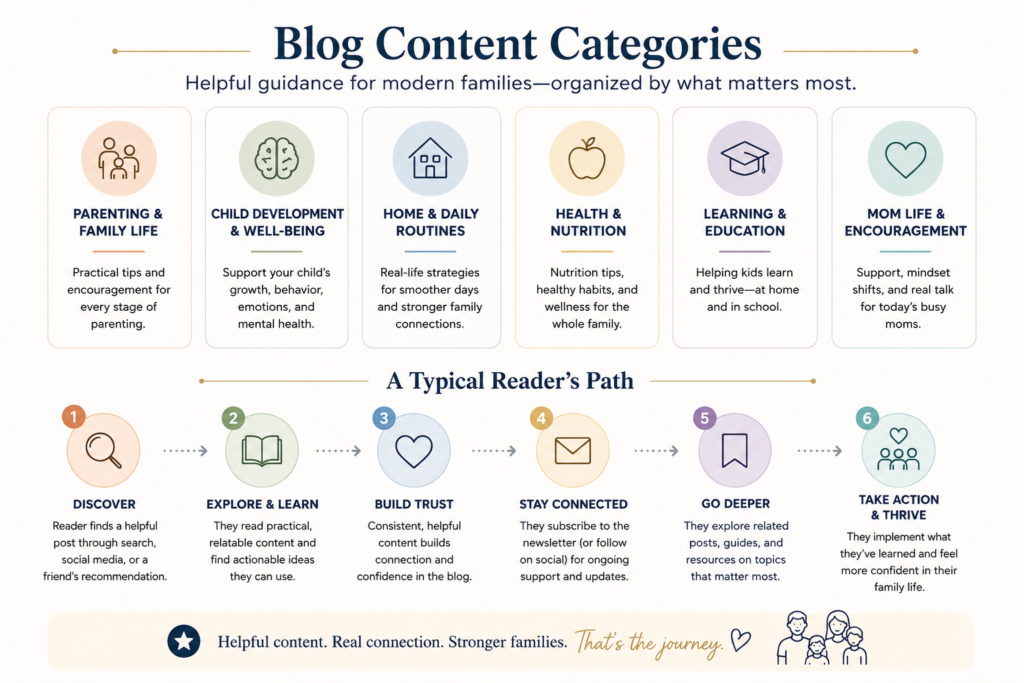
A quick visual map of the blog’s main content categories and a typical reader’s path through them.
The Community Side: Social Lovelolablog
Content alone doesn’t build loyalty — interaction does. The social lovelolablog presence is where a lot of the platform’s actual personality shows up, more so than in the polished articles themselves. Comments sections, shared posts, and back-and-forth with readers turn a one-way publishing site into something closer to a conversation.
Why Social Engagement Matters for Lifestyle Readers
There’s solid reasoning behind why this matters. Research on online communities (including studies published by the Pew Research Center on social media and community-building) consistently shows that people stick with platforms where they feel some sense of belonging, not just ones with good content. A lovelolablog social comment thread about a recipe that didn’t quite work, or a decor idea that someone tried in their own home, often ends up more useful than the original post — because it’s unfiltered, real-world feedback.
If you want to get more out of the social lovelolablog side of things:
- Comment with specifics — “I tried this with oat milk and it worked” is more useful (and more likely to get a reply) than “great post”
- Follow the social accounts tied to the blog rather than just the website, since conversation tends to move faster there
- Don’t be shy about asking questions in the comments; most lifestyle bloggers genuinely want the interaction
This is also where lovelolablog social earns its keep as a discovery tool — readers often find their next favorite post through a shared link or comment thread rather than the homepage.
The Quiet Value of Lurking Before Posting
Not every reader needs to jump straight into commenting, and that’s fine. A lot of the value in lovelolablog social spaces comes from simply reading what other people have already said before deciding whether to engage yourself. If three different commenters mention that a recipe needed an extra ten minutes in the oven, that’s useful information whether or not you ever post a single word yourself. Treat the comment section the way you’d treat reviews on any product — skim for patterns, not just individual opinions, and you’ll usually walk away with a clearer picture than the original post alone provides.
Fun Facts Lovelolablog Readers Love to Share
Every well-run lifestyle blog has a few details that make for good conversation, and the fun facts lovelolablog corner of the internet tends to focus on is exactly that — small, shareable, slightly surprising tidbits rather than dense statistics.
A few examples of the kind of thing that tends to surface:
- The blog blends storytelling with practical advice rather than choosing one lane, which is part of why it appeals to such a wide age range of readers
- Most of its DIY and home projects are designed to be affordable — often well under $100 — making them accessible rather than aspirational
- The tone leans conversational and personal rather than clinical, which research on content engagement consistently shows increases time-on-page for lifestyle and wellness content
- Reader interaction (comments, shares) plays a bigger role in shaping future content than it does on more rigid, single-topic sites
These fun facts lovelolablog details matter for a practical reason: they tell you what kind of reader the blog is actually built for. If you want hyper-technical, data-dense content, this isn’t it. If you want something that feels like advice from a friend who’s tried things and is happy to tell you what worked, it fits well.
Why “Fun Facts” Content Performs So Well Online
There’s a behavioral reason this format works as well as it does. Short, surprising, easily shareable facts lower the barrier to sharing — a reader doesn’t need to read a 2,000-word article to pass along a single interesting detail to a friend or post it to a group chat. Marketing research on content virality has long pointed to this pattern: people share content that makes them look informed or interesting with minimal effort on their part. A fun facts lovelolablog roundup taps directly into that, which is part of why this kind of content tends to outperform longer-form posts in shares, even if it gets fewer total page views.
Lovelolablog Code and Codes: The Technical Side
Not every reader who searches for lovelolablog code is looking for lifestyle content at all — some are interested in the more technical or developer-facing side that occasionally surfaces on the platform. A handful of posts dip into coding tutorials, simple web tweaks, or explanations of how the blog itself is built.
What “Codes” Typically Refers To
When people search lovelolablog codes, they’re usually after one of two things: either practical, beginner-friendly coding walkthroughs published on the site, or technical notes about how the blog’s own structure and design function behind the scenes. It’s a smaller slice of the overall content mix, but it reflects a broader trend — lifestyle creators increasingly publish at least some tech-adjacent content because their audience, especially younger readers, expects a degree of digital fluency from the brands they follow.
If you’re a hobbyist developer rather than a lifestyle reader, treat lovelolablog code posts as a supplementary resource rather than your primary learning source — pair them with a dedicated coding platform for anything beyond the basics.
Homes Lovelolablog: Decor and Everyday Living
Home content is consistently one of the most-read categories, and it’s easy to see why. The homes lovelolablog material tends to focus on realistic, livable spaces rather than showroom-perfect staging — a distinction that matters more than it sounds.
Why Realistic Home Content Performs Better
A study on home-and-living content engagement (referenced in multiple digital publishing reports) found that readers respond more strongly to “attainable” design content — ideas they could actually execute on an average budget — than to aspirational, high-end staging. That tracks with what shows up in the homes lovelolablog posts: family-friendly patio ideas, weed-free flat yards, budget storage solutions, and practical organization fixes rather than luxury renovations.
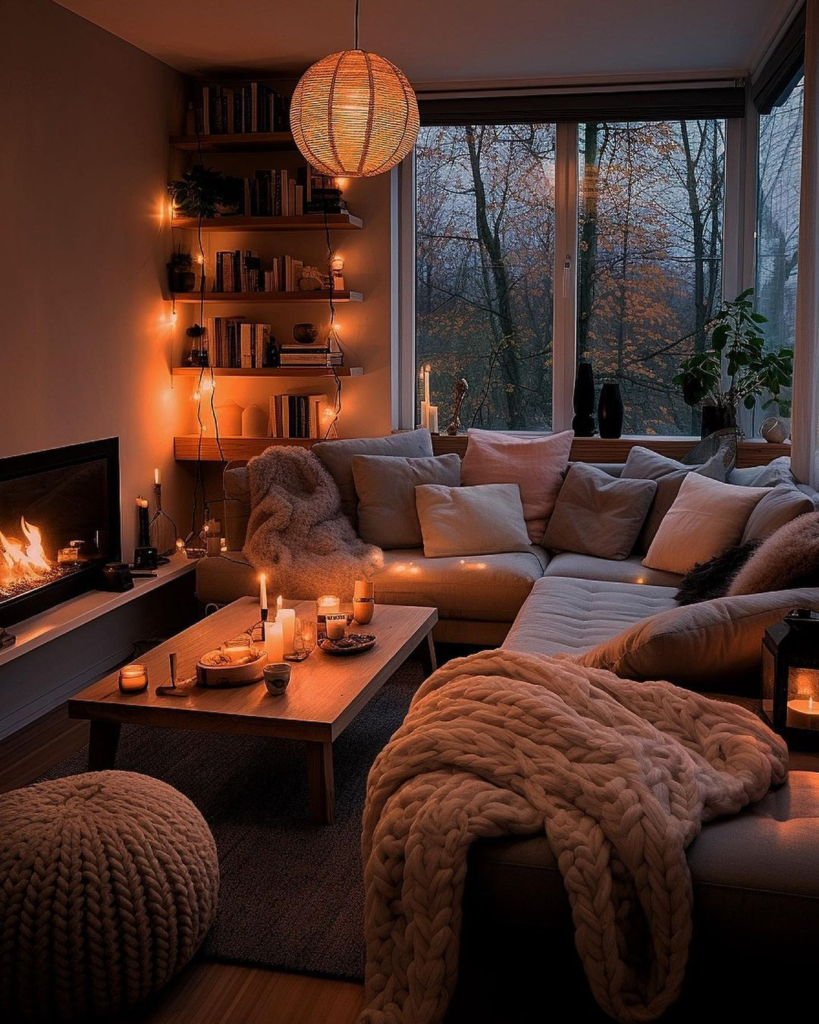
A warm, attainable living room setup — the kind of livable, budget-conscious design featured in the homes lovelolablog content.
A few recurring themes in this category:
- Budget-conscious projects — most fall in a modest price range, making them realistic for an average household
- Family-first design — safety and durability get weighed alongside aesthetics, not treated as an afterthought
- Small-space solutions — apartment and starter-home content shows up regularly, not just sprawling house features
- Seasonal refreshes — lighter updates rather than full remodels
This focus on attainability is arguably the strongest throughline across the whole site, not just the home category — it shows up in the food content (quick weeknight meals, not elaborate plating) and the wellness content (small routine changes, not extreme programs) too.
A Quick Note on Travel Content and Trip Planning
Travel posts on lifestyle blogs tend to work a little differently than the home or food categories, mostly because pricing changes constantly and a blog post can’t update itself in real time. When a homes lovelolablog post ventures into travel — say, a family trip recommendation or a weekend getaway idea — it’s worth treating the destination inspiration as the useful part and doing your own fare research separately. Readers planning the kind of trips featured on lifestyle blogs often compare flight options through tools like skyscannef and cross-check rail fares with services like trainlinw before booking anything, since third-party comparison tools update pricing far more frequently than any blog post can. That’s not a knock on the content itself — it’s just how travel planning works best: inspiration from the blog, current pricing from a dedicated booking tool.
A Practical Way to Read the Blog
If you’re new and not sure where to start, here’s a simple approach that works for most readers:
- Start with whatever’s relevant to your current life stage — new parent, first home, meal-planning fatigue, whatever’s pressing right now
- Check the comments, not just the post — that’s often where the most specific, tested advice lives
- Follow the social accounts if you want faster updates than the blog’s publishing schedule allows
- Bookmark category pages, not just individual posts, since lifestyle content is easier to revisit by topic than by date
This isn’t complicated, but it’s the difference between treating the site as a one-time read and actually getting ongoing value from it — which, based on the kind of content covered here, seems to be exactly what it’s designed for.
Frequently Asked Questions
What is Lovelolablog actually about?
It’s a lifestyle blog covering family life, food, home, wellness, and some lighter tech and travel content. It isn’t limited to one niche, which is part of why a wide range of readers find something useful there.
Is there a difference between the lovelolablog guide content and the news content?
Yes. Guide-style posts are evergreen, step-by-step resources meant to stay useful over time. News lovelolablog posts are more time-sensitive, covering current trends, community updates, or recent developments — closer to a roundup than a tutorial.
How active is the lovelolablog social community?
Reasonably active, with engagement happening through comments and shared posts rather than just passive reading. The social side functions as an extension of the blog rather than a separate space.
Are the fun facts lovelolablog shares actually useful, or just trivia?
A mix of both. Some are lighthearted trivia about the blog’s style and history; others (like its focus on budget-friendly, attainable content) actually tell you something practical about what kind of reader the site is built for.
Does lovelolablog cover coding or technical content regularly?
Not as a primary focus. The lovelolablog code and lovelolablog codes posts that do appear are a smaller, supplementary category aimed at hobbyist readers rather than professional developers.
Is the home content on lovelolablog realistic for a normal budget?
Generally, yes. The homes lovelolablog content tends to favor attainable, moderately priced projects over high-end renovations, which is part of why it resonates with a broad readership.
Do I need to create an account to read or comment?
Most lifestyle blogs, including this style of platform, allow browsing without an account but typically require basic registration or a name/email to comment — check the specific site’s comment settings, since this can vary.
How often is new content published?
Publishing frequency varies by lifestyle blog and by season, but sites in this category typically update multiple times per week across their different categories rather than on a strict daily schedule.
Can I use lovelolablog content for travel planning?
Some posts touch on travel and trip planning, often alongside the kind of fare-comparison research readers do using tools like skyscannef and trainlinw — but for actual bookings, always cross-check current prices directly with the airline, rail provider, or a dedicated booking platform.
What makes this guide lovelolablog different from just browsing the site directly?
A guide lovelolablog resource like this one saves you the trial-and-error of figuring out the site’s structure yourself — pointing you toward the categories, community features, and content style that match what you’re actually looking for, rather than leaving you to stumble across it.
Conclusion
Lifestyle blogs succeed or fail based on one simple thing: whether the content actually fits into a reader’s real life. Based on everything covered here, that’s the throughline tying the guides, the news updates, the social interaction, and the home and food content together — practical, attainable, and conversational rather than aspirational or overly polished.
Whether you came here looking for a straightforward guide lovelolablog explanation, curious about the lovelolablog news cycle, interested in the lovelolablog social community, or just wanted a few fun facts lovelolablog readers tend to share, hopefully this gave you a clear, honest picture of what to expect — and a sense of where to start reading first.