

A second living room sounds like a luxury until it sits half empty. Maybe it came with the house as a den or formal sitting room. Maybe a bonus room over the garage, a finished basement, or a spare front room became available when the kids grew up. Either way, you have a room that needs a job.
This guide collects practical ideas for second living room spaces, then shows how to choose one, arrange it, light it, and store things in it. Almost every source I found is a furniture retailer or home builder with something to sell, so I label them and keep claims attributed. Nothing here needs a renovation.
Start with one clear job
Before you buy a single cushion, decide what the room is for. POVISON, a furniture retailer whose blog post was published June 16, 2026, advises choosing one primary function and,
at most, one supporting function. It warns that a room trying to be an office, playroom,m and formal guest space often serves none of those purposes well.
That is good advice, and it matches how most people actually live. The strongest ideas for second living room spaces all start from a single purpose. Rooms that get a clear job get used. Rooms that try to do everything become storage.
Ask yourself three questions:
Who will use it most? Kids, teens, adults, guests,ts or everyone.
When? Weekday evenings, weekends, mornings,ngs or occasionally.
What does the main living room not do well? If it is always noisy, you may want a quiet room. If it is always crowded, you may want a place for the TV.
Castlery, a furniture retailer, groups its ideas by lifestyle: socialites, families, workers and zen seekers. I borrow that framing below because it makes choosing easier.
Ideas for socializing
Among the most popular ideas for second living room use is entertaining. If you like having people over, the second room can take pressure off the main one.
A conversation lounge
Castlery suggests a cozy seating area with plush sofas, armchairs and a side table, and says a fireplace can anchor it. POVISON adds that conversation seating faces inward and should be gathered into one group around a rug or coffee table rather than pushed along the walls.
POVISON also says that in large rooms a loveseat and two chairs may be more flexible than a sectional. A coffee table is not required either. Side tables, nesting tables, or storage ottomans can work in small or narrow rooms.
For inspiration on warm, layered seating, see our guide to a cozy living room with furniture.
A dining area
Castlery says a dining space lets guests move from drinks to dinner without leaving the room. It advises choosing a table to match the room size and how many guests you usually host, and says extendable tables suit larger gatherings.
A dining zone makes sense if your main living area flows into the kitchen, but you want a more formal place to eat. If the second room is far from the kitchen, think about the logistics of carrying food before you commit.
A game corner
Castlery suggests pool, foosball,l or board games, with a large storage coffee table. A storage table helps because games come with pieces, cards,ds and chargers.
This idea works well for teens and adults alike. Keep sound in mind: a game corner can get loud, so a room away from bedrooms is better.
Ideas for families
A play area
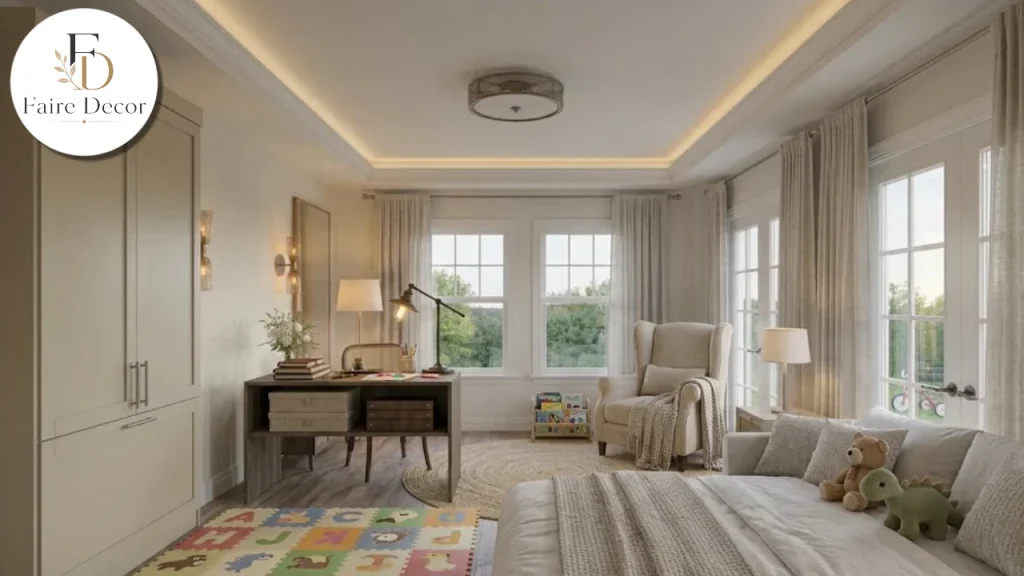
Castlery suggests a play mat, toy bins and a small craft table, plus a reading corner with bookshelves, a reading chair and soft lighting. POVISON advises closed cabinets for toys now and school supplies later, which keeps the room tidy and ready to change as kids grow.
If your home has a separate living space downstairs, this keeps toys out of the main room. Our guide to front door and entryway living room combos shows how to keep an open layout tidy when rooms share a view.
A reading room or library
MYMOVE, a site owned by Red Ventures that promotes moving and home services, lists a library among its bonus room ideas. Its tips are to build DIY shelves and add comfortable seating and lamps for reading. The article was last updated August 30, 2018.
POVISON suggests placing the main reading chair where daylight comes in from the side, and putting a nearby lamp beside reading seating. It also says a daybed may suit a reading room or office, giving you a place to stretch out.
For wall ideas that suit a book-filled room, see our guide on how to decorate walls.
A home theater
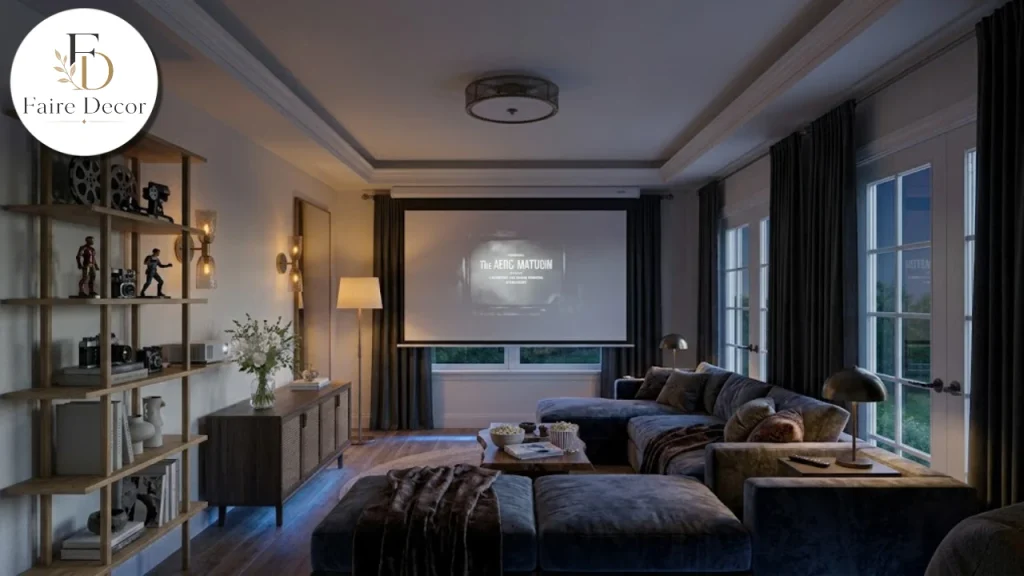
A second living room is a natural place for movie nights. Castlery suggests a large TV or projector with oversized sofas or recliners, and caddies or armrest tables for snacks and remotes. It advises arranging seating in clusters or a U-shape for better viewing and a more intimate feel.
NewHomeSource, a real estate marketplace, adds that a retractable projector screen can hide a TV. MYMOVE suggests bean bag chairs or couches, cozy blankets, etc., and an inexpensive projector screen for a budget version.
Arendal Sound, a company that sells speakers and subwoofers, says a rectangular or square room is ideal for audio and advises against odd shapes and excessive windows. It recommends blocking windows and natural light that cause glare,
using dimmable or smart lighting and LED strips, and using curtains or blinds. It gives no specific measurements, so I will not either. For seating distance and speaker placement, follow your equipment’s manual.
Light control is the easiest upgrade. Our guide to custom curtains covers fabrics and linings, and our smart home design-first guide shows how to plan lighting and devices without cluttering the room.
[Image 2: Cozy media room with a projector screen, a deep sectional, dimmed lamps and blackout curtains]
Ideas for working and learning
A home office
Castlery suggests a desk, either L-shaped or a writing desk, a supportive office chair, storage, and task lighting. MYMOVE advises choosing a room away from noisy areas and adding a sturdy desk and good lighting.
POVISON recommends using cabinets or sideboards to hide files, chargers and work supplies in an office lounge, so the room can switch back to relaxing at the end of the day. Castlery suggests floor and desk lamps to supplement natural light.
If the room is in an attic or upper floor, our post on a 200 window attic renovation shows how natural light changes a space, and our attic insulation article explains why comfort matters before you furnish it.
A homework room
MYMOVE suggests comfortable chairs and a workspace, with folders to keep each child’s work separate. This idea suits a family that is tired of homework taking over the dining table.
Keep it simple: a table, a few chairs, good light, and a shelf for supplies. POVISON’s advice about closed cabinets for school supplies applies here too.
A craft room
MYMOVE lists shelves and organizers, large inexpensive tables,s and space for a sewing machine. A craft room needs durable surfaces and good light, and it benefits from storage that hides clutter. If you often leave projects half-finished, choose storage with lids.
NewHomeSource notes that a projector on a blank wall can help with large art projects, which is a clever extra for a craft space.
Ideas for wellness and quiet
An exercise and meditation space
Castlery suggests cushions, a yoga mat, and room to move safely, with gym equipment optional. It advises leaving ample open floor space. MYMOVE suggests using the room’s low light, with reed diffusers and a speaker for calming playlists, for a yoga studio.
NewHomeSource suggests folding chairs that store in a cabinet or hang on a wall, which open the floor for activities like yoga.
If the room has hard flooring, consider a rug or mat that stays put. Our best flooring guide compares surfaces for comfort and durability.
An indoor garden or relaxation zone
Castlery also suggests an indoor garden, with potted plants, hanging planters,s and possibly a small water feature, and a relaxation zone with a chaise lounge or hammock with blankets and pillows. It is a lovely idea if the room gets good light.
Check each plant’s light needs before you buy, and ask a nursery about watering and pet safety. I did not open a source on plant care, so I will not list species.
For a calm, uncluttered look, our Japanese bedroom post shows how restraint creates serenity.
Ideas for teens and guests
A teen hangout or gaming room
MYMOVE suggests a TV, gaming system, charging outlets,ts and a snack station or mini fridge for a teen hangout, and says moving gaming systems and bean bag chairs into a bonus room frees up the main living room. POVISON recommends closed storage for remotes, gaming equipment, and cables.
A hangout works best when teens help choose the layout. Give them a say in the seating and lighting, and set house rules about noise and snacks up front.
Bonus: a guest-friendly room
NewHomeSource suggests sleeper sofas or bunk beds for guests. POVISON says a sleeper sofa suits a room mainly used for sitting, and notes you should measure sofa width and depth including arms,
recliner clearance and sleeper dimensions in both modes. It also suggests keeping guest bedding in nearby closed storage.
If guests stay often, a sleeper sofa is more practical than a spare bed that takes up a whole room. Check the mattress quality in person, since comfort varies.
Zoning a room that has to do two things
Some households cannot give the room one job. If you must combine uses, zoning keeps them from fighting.
NewHomeSource advises dividing the room with open bookcases or room dividers so light and sound still pass through. Without a divider, it suggests using wall decor and contrasting color schemes on each side to mark separate zones. It also suggests using closets or wall insets for a built-in desk nook.
Rather than hiding a room’s multiple uses, NewHomeSource says you can blend them with coordinated colors, patterns, and furniture. That fits with POVISON’s rule of one main function and one supporting function, so I would limit yourself to two zones.
For color guidance, our gray-green paint guide and the color story in our gray house post show how a quiet palette can unify a room. If your ceiling feels like an afterthought, see what color to paint a ceiling for ideas that add height or coziness.
Layout rules that work
Several sources agree on a few layout principles. POVISON’s list is the most detailed.
Gather seating into one group around a rug or table instead of spreading furniture along the walls.
Keep the main walkway clear, and measure usable floor area after accounting for doors, windows, radiators, and vents.
Match the arrangement to the activity. Conversation seating faces inward, TV seating needs a clear viewing angle, and reading seating needs a nearby lamp.
Keep the opening between connected rooms clear so furniture does not interrupt sightlines.
Buy the primary seating first, and delay coffee tables, storage, and decor until the layout is settled.
POVISON also notes that two sofas in two rooms do not need to match. A shared wood tone or fabric undertone can link them. That is helpful if your second room has its own personality.
Lighting that fits the job
Lighting changes how a room feels more than most furniture does. POVISON recommends layered lighting in conversation spaces, advises against relying on a single harsh ceiling fixture at night, and suggests checking for window glare during normal viewing hours in media rooms.
Arendal Sound suggests dimmable or smart lighting for a theater. Castlery suggests floor and desk lamps for an office. Pull these together,r and you get a simple formula: general light you can dim, task light where you read or work, and a few warm accents.
If the room has big windows, our guides to black windows and awning windows explain how window style changes light and views.
Storage: the quiet hero
A second living room fills with stuff because nobody owns it. Storage gives the room a place for everything.
NewHomeSource recommends seating with built-in storage, such as ottomans or sofas, corner shelving, and raised shelving near the ceiling or above doors to add storage without using floor space. It also mentions wall-to-wall cabinets that can hide a washer and dryer.
POVISON recommends closed storage for remotes, gaming equipment,nt and cables; cabinets or sideboards for files and chargers; and closed cabinets for toys that can later hold school supplies. Closed doors keep the room calm when it is not in use.
Budget and phasing
When you are weighing ideas for second living room projects, the budget question comes up fast. I did not find a sourced cost for converting a second living room, so I am not printing one. What the sources do suggest is going in stages.
POVISON recommends buying primary seating first and delaying other pieces until the layout is settled. MYMOVE and NewHomeSource both lean on inexpensive options like bean bags, projector screens, and DIY shelves.
A simple three-step plan:
Declutter and decide. Clear the room, choose the main job, and measure.
Buy the anchor pieces. Seating, a rug and basic lighting.
Add storage and decor after you have lived in the layout for a few weeks.
For help with budgeting and sequencing, our renovation tips guide is a good companion, and our home decor ideas that actually work article has inexpensive fixes.
Mistakes to avoid
Even good ideas for second living room spaces fail when a few basics are ignored.
Giving the room too many jobs. POVISON warns against it.
Pushing all furniture against the walls. Group seating instead.
Buying decor before the layout. Anchor pieces come first.
Relying on one overhead light. Layer your lighting.
Ignoring glare in a media room. Check at normal viewing hours.
Skipping storage. Clutter takes over fast.
Matching everything. A shared tone is enough.
Forgetting the walkway. Keep the main path clear.
Ignoring noise. Put loud uses away from bedrooms.
Connect the two living rooms
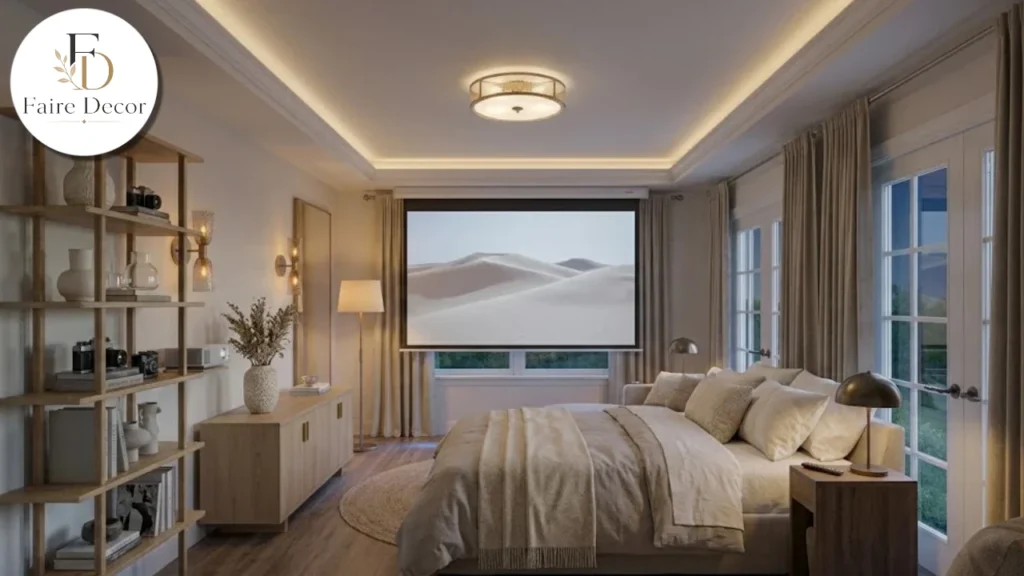
When both rooms are visible from each other, they should feel related without being identical. POVISON suggests that two sofas in two rooms do not need to match,
and that a shared wood tone or fabric undertone can link them. It also advises keeping the opening between connected rooms clear so furniture does not interrupt sightlines.
A practical way to do this is to repeat one color, one metal finish, and one texture across both rooms, then let each room have its own mood. Castlery’s lifestyle groupings help here: if the main room is the social space, the second room can be the quiet one, and the reverse works too.
Try it before you buy
Furniture is easier to change on paper than in a showroom. POVISON recommends measuring the usable floor area after doors, windows, radiator,s and vents, and measuring sofa width and depth,th including arms.
A simple, general trick is to mark the planned furniture footprint on the floor with painter’s tape and walk around it for a few days. That is common design practice rather than a sourced claim, but it costs almost nothing.
Borrow before you build. If you are unsure about a theater, try a laptop on a table and a borrowed projector for a few weekends. If you are unsure about an office, work from the room for a week. The room will tell you what it needs.
Questions to ask your household
A short family conversation saves money. Ask everyone:
What do you wish we had a place for?
What do you do in the main living room that bothers someone else?
Will this room still make sense in two years?
Who will keep it tidy, and what storage would make that easier?
Does it need to work for guests?
Write the answers down and look for the pattern. The idea that appears in most answers is probably the one to choose.
Do you even need two living rooms?
Not everyone does. The point of a second room is that it solves a real problem. If the main living room is calm and big enough, you might use the extra space as a studio, a guest room,oom or even a future addition.
If you are thinking longer term, our guide to home additions covers how spaces change as a household grows.
If you are preparing to sell, a clearly defined room is easier for buyers to picture than a vague one. Our guide on how to sell your home fast covers other steps buyers notice. I did not find a sourced figure for how a second living room affects resale, so I am not claiming one.
A quick chooser
Use this table as a starting point. It condenses the sources above and is not a rule.
| If you want… | Consider | Source of the idea |
|---|---|---|
| Movie nights | Home theater with light control | Castlery, Arendal Sound |
| A quiet place to work | Home office with task lighting | Castlery, MYMOVE |
| Space for kids | Play area with closed toy storage | Castlery, POVISON |
| A calm retreat | Reading room or yoga space | MYMOVE, Castlery |
| Room for friends | Conversation lounge or game corner | Castlery |
| Room for overnight guests | Sleeper sofa with nearby closed storage | NewHomeSource, POVISON |
Final thoughts on ideas for second living room spaces
The best ideas for second living room spaces start with an honest answer to one question: what does your household need that it does not have? Pick one main job, add at most one supporting job, arrange seating in a group, light it in la,yers and give everything a closed place to live.
Remember that most advice online comes from retailers and builders, so use it as inspiration and trust your own measurements and habits. Start with the anchor furniture, live in the room for a few weeks, and then add the extras. A room that fits your life will get used.
This article is general information, not professional design, s,afety or financial advice. Confirm product dimensions, electrical, needs, and any structural changes with qualified professionals.
FAQs:
What can I use a second living room for?
Sources suggest a conversation lounge, dining area, game corner, play area, reading room, home theater, home office, homework room, craft room, exercise or meditation space, teen hangout or guest room. Castlery groups them by lifestyle, and MYMOVE lists eleven bonus room uses.
How many purposes should one room have?
POVISON advises one primary function and at most one supporting function, warning that an office,playroomp,layroom and guest space combined often serves none well.
How do I arrange furniture in a second living room?
POVISON advises gathering seating into one group around a rug or coffee table, keeping the main walkway clear, and matching the arrangement to the activity. Buy primary seating first.
How do I divide a room into zones?
NewHomeSource suggests open bookcases or room dividers so light and sound pass through, or wall decor and contrasting color schemes on each side to mark zones.
What lighting works best?
POVISON recommends layered lighting and avoiding a single harsh ceiling fixture at night. Arendal Sound, which sells audio gear, suggests dimmable or smart lighting and curtains to control glare in a theater.
Does the second sofa need to match the first?
No. POVISON says two sofas in two rooms do not need to match, and a shared wood tone or fabric undertone can link them.