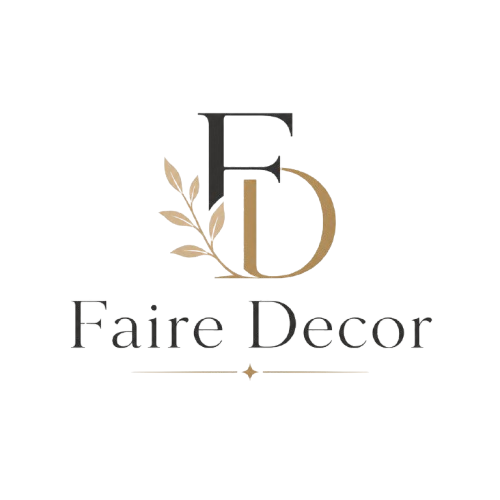

Taj Mahal quartzite is a natural stone from Brazil with a soft, warm white-to-cream background and gentle beige and gold veining. It looks like a creamy marble but is a much harder quartzite, which is why it has become one of the most requested countertop stones for kitchens and bathrooms.
It isn’t perfect, though. It costs more than many granites, it still needs sealing, and no two slabs look exactly alike.
This guide explains where the stone comes from, how it performs in a real kitchen, what affects its price, how to choose and check slabs, how to care for it, and which cabinets, backsplashes, and hardware pair best with it.
What is Taj Mahal quartzite?
Quartzite is a metamorphic rock. It starts as sandstone, and over millions of years heat and pressure fuse the quartz grains together into a dense, very hard stone.
Despite the name, Taj Mahal quartzite has nothing to do with India. It’s quarried in Brazil, in the northeastern state of Ceará, near the town of Uruoca. Industry magazine Litos reports that there are roughly six to eight quarries in the area producing the Taj Mahal family of stones (Litos).
The name likely comes from its resemblance to the soft, creamy marble of India’s most famous monument. It’s a marketing name, not a geographic one.
Is it quartzite, marble or granite?
This is a common source of confusion. Stone supplier Marble Systems is clear that the Taj Mahal is quartzite, not granite or marble (Marble Systems).
It’s sometimes sold or described loosely as granite because many showrooms use “granite” as a catch-all for hard natural stone. Its marble-like look adds to the mix-up.
What Taj Mahal quartzite looks like
The stone’s appeal is its quiet warmth. Instead of the stark white and dramatic gray veining of Calacatta marble, it offers a soft ivory or cream background with flowing veins in beige, taupe, light gold, and sometimes pale gray.
The veining tends to be soft and wispy rather than bold. Some slabs show subtle sparkle or translucent areas, a trait of quartz-rich stone.
Natural variation is part of the character. Litos describes industry grading where “Select” slabs are more uniform with balanced movement, “Standard” slabs show more movement and veining, and “Commercial” slabs are lower quality. The proportions vary by quarry.
Why it’s so popular
Several reasons explain the demand.
It looks like marble but performs better. People who love the soft look of marble but worry about etching and scratching often turn to Taj Mahal.
It’s warm. Many white stones feel cold. Taj Mahal’s creamy undertone suits warm woods, brass hardware,e and earthy color schemes.
It’s versatile. It works in modern, transitional, farmhouse, and traditional kitchens.
It’s widely available. Litos estimates the Taj Mahal quarries alone produce around 2,500 cubic meters of stone per month, and that the US takes an estimated 60 to 80% of slab production. That supply makes it easy for fabricators to source.
How durable is Taj Mahal quartzite?
This is where the stone shines. Quartzite is one of the hardest natural countertop materials available.
| Property | Taj Mahal quartzite | Typical granite | Typical marble |
|---|---|---|---|
| Hardness (Mohs scale) | About 7 to 7.5 | About 6 to 7 | About 3 to 4 |
| Scratch resistance | Very high | High | Low |
| Acid etching | Very low risk | Low | High risk |
| Sealing | Recommended, often annually | Occasional | Regular |
Hardness figures from Litos (7.5) and Marble Systems (7+). Granite and marble ranges are general.
Scratches
At around 7 to 7.5 on the Mohs scale, Taj Mahal is harder than steel knives and most everyday kitchen items. Marble Systems notes that it scratches far less than marble.
That doesn’t mean it can’t be damaged. Always use a cutting board, since cutting directly on stone dulls your knives and can still leave marks over time.
Etching
Etching is the dull mark acids like lemon juice, vinegar, or wine leave on marble. It happens because marble contains calcite, which reacts with acid.
Marble Systems explains that the Taj Mahal lacks calcite, which gives it high acid resistance and a very low etching risk. That’s one of its biggest advantages over marble in a busy kitchen.
Still, wipe up acidic spills promptly. It’s good practice with any natural stone, and it protects the sealer.
Staining
Quartzite is dense, but it isn’t completely non-porous. Oils, wine, coffee, and colored sauces can stain an unsealed or poorly sealed surface, especially on lighter stones.
Sealing reduces this risk a great deal. Marble Systems’ comparison lists Taj Mahal as needing sealing about once a year.
Heat
Natural quartzite handles heat better than engineered quartz, which contains resins. Even so, sudden extreme heat can stress any stone or damage the sealer, so always use trivets under hot pans.
Pros and cons at a glance
| Pros | Cons |
|---|---|
| Soft, marble-like beauty with warm undertones | Costs more than many granites |
| Very hard and scratch-resistant | Needs periodic sealing |
| Very low etching risk compared with marble | Slabs vary, so you must choose carefully |
| Works with many styles and colors | Hard to cut, so fabrication can cost more |
| Widely available from many suppliers | Lighter areas can stain if left unsealed |
What does Taj Mahal quartzite cost?
Pricing varies widely, and online figures go out of date quickly. What you pay depends on several factors:
Slab grade. More uniform, high-grade slabs cost more than slabs with heavy movement or defects.
Thickness. Thicker slabs (often 3 cm) cost more than thinner ones (often 2 cm).
Finish. Polished, honed,d and leathered finishes can be priced differently.
Fabrication. Quartzite’s hardness makes it slower to cut and polish, which can raise fabrication costs.
Edge profile. Simple eased edges cost less than ogee, mitered, or waterfall edges.
Location. Regional supply and labor rates vary.
Project size. Islands, full-height backsplashes and waterfall sides add material and labor.
The most reliable approach is to get written quotes from two or three fabricators. Ask for installed prices per square foot that include fabrication, edges, sink cutouts, and sealing.
In general, expect Taj Mahal quartzite to sit in the premium range of natural stone countertops, above common granites and often near or below high-end marbles.
Choosing the right finish
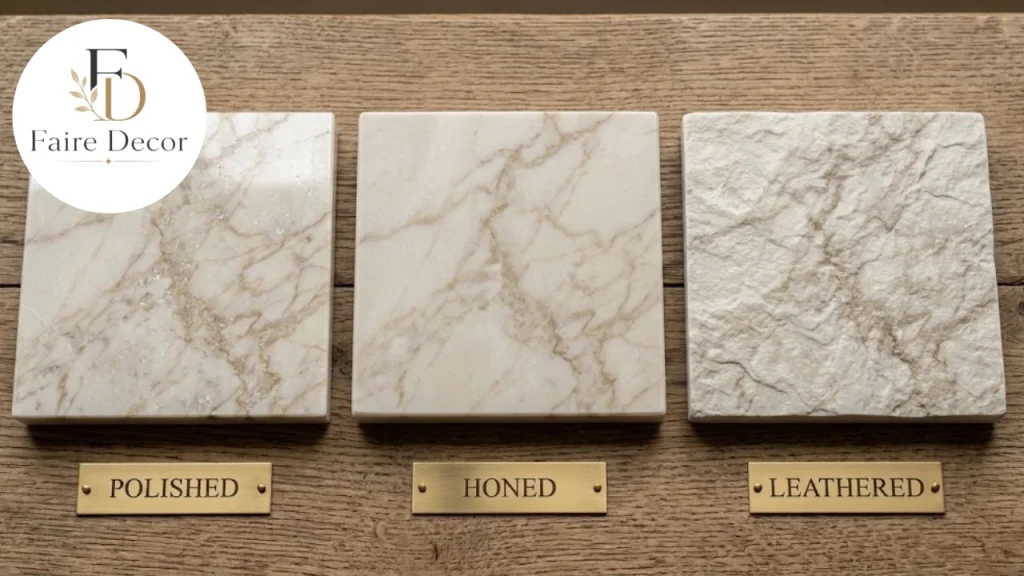
Taj Mahal is usually available in three main finishes. Marble Systems lists polished, honed,d and leathered options.
| Finish | Look and feel | Good for |
|---|---|---|
| Polished | Glossy and reflective, deepens color and veining | Classic and glamorous kitchens; easiest to wipe clean |
| Honed | Smooth and matte | Modern, minimal and farmhouse kitchens; softer look |
| Leathered | Textured, slightly rippled surface with a low sheen | Hides fingerprints and smudges; great for islands and fireplaces |
Polished finishes generally resist staining best, because the surface is tighter. Honed and leathered finishes can show water marks and oils more easily, so sealing matters even more.
Choosing an edge profile
The edge you choose changes both the look and the price of your countertop.
Eased edge. A square edge with slightly softened corners. It’s clean, modern,rn and usually the most affordable option.
Bullnose or half bullnose. Rounded edges that feel soft to the touch and suit family kitchens, since they’re less prone to chipping.
Beveled edge. A small angled cut along the top edge that catches the light and adds subtle detail.
Ogee edge. A decorative S-shaped curve that suits traditional and Victorian kitchens.
Mitered edge. Two pieces joined at a 45-degree angle to make the counter look much thicker. It’s popular on islands and waterfall designs, and it shows off the veining wrapping around the edge.
Because quartzite is so hard, detailed profiles take longer to cut and polish. Ask your fabricator how each edge affects the total price.
How to choose a Taj Mahal slab
Because every slab is unique, choosing your stone in person is one of the most important steps. Marble Systems recommends selecting slabs in person, especially for bookmatched or waterfall designs.
Visit the stone yard. Small samples can’t show the full movement of veining. Look at whole slabs under natural light if possible.
Check for consistency. If your project needs more than one slab, ask to see consecutive slabs from the same block so the color and veining match.
Look for fissures and pits. Natural fissures are common in quartzite and usually aren’t a structural problem, but cracks are. Ask your fabricator to point out any concerns.
Plan the layout. Work with your fabricator on where seams will fall and how the veining will flow across the island and perimeter.
Tag your slabs. Once you’ve chosen, ask the yard to tag or reserve them in your name.
Real quartzite or not? A quick test
Some stones sold as “quartzite” are actually softer materials, such as dolomite or marble, that look similar. This matters because softer stones scratch and etch much more easily.
Ask your supplier or fabricator for a sample and try two simple tests.
Scratch test. Try to scratch a hidden edge with a steel knife or a glass tile corner. True quartzite should resist scratching from steel and can scratch glass.
Acid test. Place a few drops of lemon juice or vinegar on the sample for several minutes, then wipe and check under light. A dull, etched spot suggests calcite, and therefore a softer stone.
Always test on a sample, never on an installed countertop.
What to expect during installation
Knowing the process helps you plan and avoid surprises.
Template. Once your cabinets are installed and level, the fabricator measures and creates an exact template of your countertops.
Layout approval. Many fabricators let you review how the template sits on your chosen slabs, so you can decide where the veining falls and where seams go.
Fabrication. The slabs are cut, edged, and polished in the shop, along with sink and cooktop cutouts.
Installation. The installation team sets the counters, joins seams, and attaches undermount sinks.
Sealing. Many fabricators seal the stone after installation. Confirm whether this is included in your quote.
Have your sink, faucet,t and cooktop chosen before templating, since their exact sizes determine the cutouts. Clear the kitchen and make sure cabinets are level and secure.
After installation, give seams and adhesives the curing time your installer recommends before heavy use.
Questions to ask your fabricator
A good fabricator makes a huge difference with a premium stone. Before you sign, ask:
- Have you worked with Taj Mahal quartzite before? Experience with very hard stone matters.
- What does the quote include? Check fabrication, edges, cutouts, installation, sealing,ng and removal of old counters.
- Where will the seams go? Ask to see the layout on the actual slabs.
- Which sealer do you use, and how often should I reseal?
- What happens if a slab cracks during fabrication? Ask about replacement policies.
- Is there a warranty on workmanship?
Clear answers to these questions help you compare quotes fairly, not just on price, and protect your investment in Taj Mahal quartzite.
How to care for Taj Mahal quartzite
Good care keeps the stone looking beautiful for decades. Most of it is a simple daily habit.
Daily cleaning
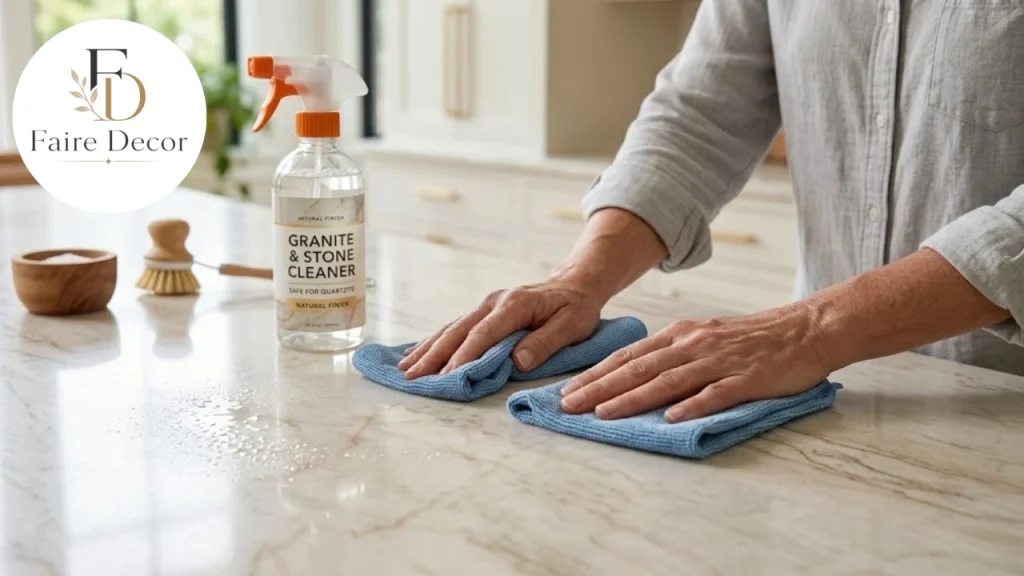
Wipe the counters with warm water and a soft cloth, or use a pH-neutral stone cleaner.
Avoid harsh cleaners such as bleach, ammonia, and abrasive powders, which can wear down the sealer.
Dry the surface after cleaning, especially on honed or leathered finishes, to prevent water spots.
Preventing stains
Wipe up oil, wine, coffee, and colored sauces quickly.
Use coasters under glasses and bottles, and trays under oils and soap dispensers.
Use cutting boards and trivets.
Sealing
Seal Taj Mahal quartzite as your fabricator recommends, often about once a year. Some kitchens need it more often, especially around the sink and stove.
A simple water test tells you when it’s time. Drop a little water on the surface and wait 10 to 15 minutes. If it darkens the stone, the sealer is wearing thin.
To reseal, clean and dry the counter, apply a penetrating stone sealer following the label, let it soak in, then buff away any excess before it dries.
Design ideas: what to pair with Taj Mahal quartzite
The stone’s warm, neutral character makes it easy to design around. Here are pairings that consistently work well.
Cabinets
White cabinets. Choose warm whites or creams rather than stark, cool whites, so the cabinets don’t make the stone look yellow.
Wood cabinets. Natural oak, walnut,t and warm wood tones bring out the stone’s beige and gold veining.
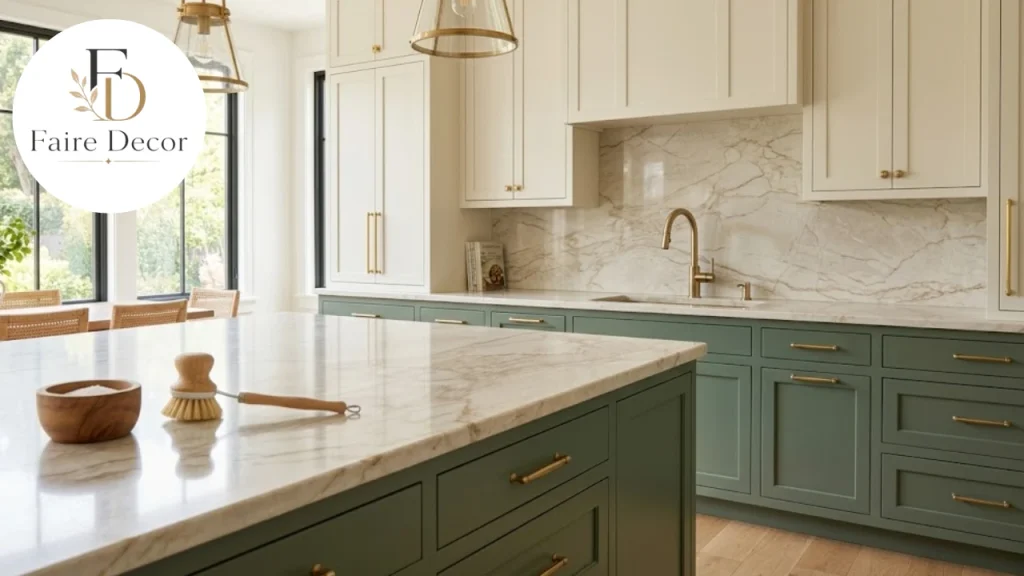
Green cabinets. Sage, olive, and deep green create a calm, earthy kitchen with a luxurious feel.
Navy or charcoal cabinets. Dark lowers with a Taj Mahal island create strong contrast while keeping the room warm.
Our guide to modern kitchen cabinets has more ideas for door styles and finishes that work with natural stone.
Backsplash
A full-height slab backsplash in the same stone creates a seamless, high-end look.
Zellige or handmade tile in cream or soft white adds texture without competing with the veining.
Simple white subway tile keeps things classic and budget-friendly.
Hardware and fixtures
Brushed brass, warm gold, and unlacquered brass emphasize the stone’s warmth. Matte black creates a modern contrast, while polished nickel suits a classic kitchen.
Walls and flooring
Warm whites, soft greiges, and earthy tones work well on walls. Our home color combinations guide shows palettes that suit warm stones.
For floors, mid-tone wood is a natural match. If you’re also choosing flooring care, see our guide on how to clean hardwood floors.
How lighting changes the look
Taj Mahal’s warm tones shift noticeably under different light, so view samples in your own kitchen before deciding.
Warm-white bulbs bring out its cream and gold tones. Cooler, bluer light can make it look grayer and flatter.
Natural daylight shows the stone most accurately. If your kitchen gets strong afternoon sun, check how the veining looks at different times of day.
Under-cabinet lighting is especially flattering on polished and leathered finishes, because it skims across the surface and highlights texture and veining.
Kitchen styles that suit Taj Mahal
Coastal. Light woods, soft blues,s and Taj Mahal counters create a relaxed, airy kitchen. See our coastal kitchen ideas for inspiration.
Traditional and Victorian. Polished Taj Mahal looks elegant with detailed cabinetry and classic hardware, as in our Victorian-style kitchen guide.
Modern organic. Honed or leathered Taj Mahal with flat-panel wood cabinets and simple lines feels calm and current.
Farmhouse. Pair a honed finish with painted shaker cabinets, an apron-front sink, and warm metals.
Beyond the kitchen
Taj Mahal’s durability and beauty make it useful throughout the home.
Bathroom vanities. A Taj Mahal vanity top brings spa-like warmth. Pair it with wood or white cabinetry, as in our small bathroom vanity ideas.
Shower walls and benches. Its low etching risk makes it a practical choice for showers, as long as it’s properly sealed.
Fireplace surrounds. Marble Systems notes that leathered finishes are popular for fireplaces. A Taj Mahal surround works beautifully with our fireplace hearth ideas.
Laundry rooms. A durable stone counter makes folding space look polished. It pairs well with the styles in our laundry room cabinets guide.
Tabletops and bars. Dining tables, home bars,s and coffee tables in Taj Mahal make striking statement pieces.
Dealing with chips, stains and dull spots
Even tough stone can get damaged. Most problems are fixable.
Chips. Edges and corners near the sink and dishwasher are most at risk. A stone repair professional can fill small chips with color-matched resin so they’re barely visible. Keep any chipped piece, since it can sometimes be bonded back in place.
Stains. For oil-based stains, a poultice made for stone can draw the stain out over a day or two. Follow the product instructions, and test on a hidden area first.
Water rings and dull spots. On honed or leathered finishes, these often fade once the area dries completely. Persistent marks may mean the sealer has worn away.
Hard-water buildup. Around faucets, use a stone-safe cleaner rather than vinegar-based descalers, which can damage the sealer.
For anything beyond simple cleaning, contact your fabricator or a stone restoration specialist rather than trying aggressive DIY fixes.
Taj Mahal vs other popular countertop options
| Material | Look | Durability | Maintenance |
|---|---|---|---|
| Taj Mahal quartzite | Warm, soft, marble-like | Very hard; low etching risk | Seal periodically |
| Calacatta or Carrara marble | Bright white, gray veining | Soft; etches easily | High; frequent sealing and care |
| White granite | Speckled or veined, varied | Hard and durable | Low to moderate |
| Engineered quartz | Uniform, consistent pattern | Hard; resin can be damaged by heat | Very low; no sealing |
| Soapstone | Dark, matte, soft | Soft; scratches but patinas | Oil if desired; no sealing needed |
If you want a natural stone that looks like marble but works hard every day, Taj Mahal quartzite is one of the strongest options available.
Common mistakes to avoid
Choosing from a small sample. Always view full slabs in person.
Skipping the seal. Even hard quartzite can stain. Seal it after installation and on a regular schedule.
Pairing it with cool, stark whites. Very cool whites can make the stone’s cream tones look dingy or yellow.
Avoid using harsh cleaners. Bleach, ammonia, and abrasives wear down sealer and can dull finishes.
Assuming every “quartzite” is the same. Test samples to confirm hardness and etch resistance, especially if the price seems unusually low.
Is Taj Mahal quartzite worth it?
For most homeowners who want a natural stone with a soft, marble-like look, yes. It combines beauty and durability in a way few stones do, and it suits a wide range of styles.
It may not be the right choice if you want the lowest price, a completely uniform pattern, or a surface you never need to seal. In those cases, engineered quartz or a durable granite may suit you better.
The bottom line
Taj Mahal quartzite offers the soft, creamy beauty many people want from marble, with far better scratch and etch resistance. It costs more than many granites and needs regular sealing, but for a long-lasting, warm, elegant countertop, it’s hard to beat.
Choose your slabs in person, test samples, seal regularly, and pair the stone with warm finishes. Do that, and Taj Mahal quartzite will be the centerpiece of your kitchen for decades.
FAQs:
Is Taj Mahal quartzite or marble?
It’s a quartzite, quarried in Ceará, Brazil. It looks like a soft, creamy marble but is much harder.
Does Taj Mahal quartzite etch?
It has a very low etching risk because it doesn’t contain calcite, the mineral that makes marble etch. Still, wipe up acidic spills promptly to protect the sealer.
Does Taj Mahal quartzite need to be sealed?
Yes. Sealing is commonly recommended about once a year. A water test shows when it’s time: if water darkens the stone after 10 to 15 minutes, reseal.
Does Taj Mahal quartzite stain?
It can if it’s unsealed or the sealer has worn off, especially with oils, wine, and coffee. Regular sealing and quick cleanup prevent most stains.
What color cabinets go with Taj Mahal quartzite?
Warm whites, creams, natural wood, sage or olive green, and navy all pair well. Avoid very cool, stark whites, which can make the stone look yellow.
How hard is Taj Mahal quartzite?
It rates about 7 to 7.5 on the Mohs scale, harder than most granites and far harder than marble.
Is Taj Mahal quartzite expensive?
It’s a premium natural stone, usually priced above common granites. Costs vary by slab grade, thickness, finish, edge,s and location, so get several installed quotes.