
You spent weeks choosing the perfect sofa—the right size, the right color, the right price. Six months later, the fabric is pilling, the armrest is threadbare, and you’re already dreaming of a replacement. If that story sounds familiar, you’re far from alone. Millions of people every year buy furniture that looks beautiful in the showroom and falls apart at home, simply because nobody told them about what is the most durable furniture material for real-world living.
The truth is, not all fabrics are created equal. Some materials are engineered to survive a decade of movie nights, muddy pets, and enthusiastic kids. Others barely make it through a single summer. Understanding fabric durability before you buy can be the difference between furniture that’s still gorgeous in 2030 and a couch that’s destined for the curb by next spring.
In this guide, we’re going deep—covering everything from the science behind most durable upholstery fabric to the exact weave counts that separate long-lasting materials from flimsy impostors. Whether you’re shopping for a family room sectional, a formal sitting area, or a pet-friendly recliner, this breakdown will give you the knowledge to shop like an interior designer.
Why Fabric Choice Matters More Than You Think
Most people focus almost entirely on the frame when buying a sofa. And yes, a solid hardwood frame matters—but it can last fifty years inside a fabric that wears out in five. The upholstery you choose determines how your furniture looks, feels, and performs every single day. It’s the part you actually live on.
Interior designers often say that the most durable couch material is the one that matches your actual lifestyle, not just your aesthetic. A stunning velvet sofa might look incredible in a quiet adult household, but it’s practically a magnet for pet hair and moisture damage in a home with dogs and children. Conversely, a tightly woven performance fabric might not look as luxurious, but it’ll hold its color, shape, and structure for a decade without complaint.
The key metric professionals use is called the double rub count—a standardized test that simulates how many times a fabric can be rubbed back and forth before it shows wear. For residential use, anything above 15,000 double rubs is considered durable. For heavy-use households, you want 25,000 or more. Commercial-grade fabrics start at 100,000. Knowing this number alone will transform the way you shop for material for sofas.
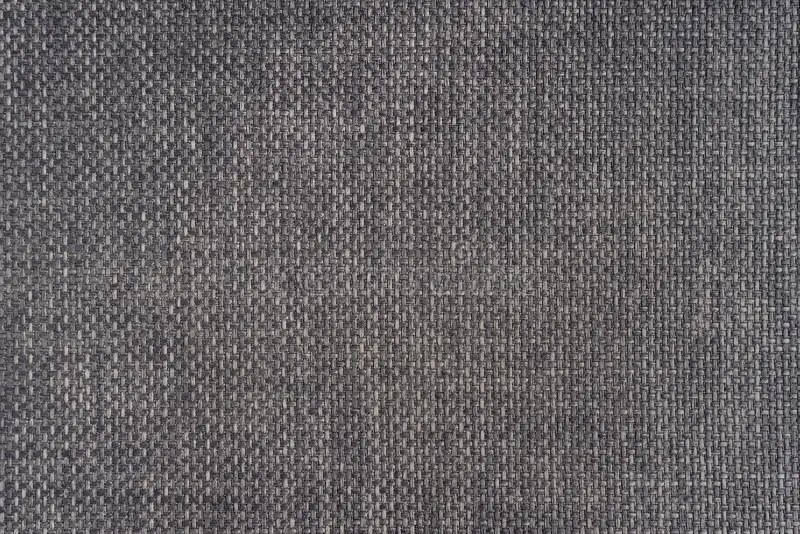
The weave density of an upholstery fabric directly predicts how long it will resist daily wear — a detail most shoppers never check.
What Is the Most Durable Fabric? Breaking Down Every Major Option
Let’s be direct: there is no single perfect fabric for every home. But there are clear winners when it comes to durability, and once you understand why each one performs the way it does, the right choice becomes obvious. Here’s a comprehensive look at every major most durable furniture fabric category on the market today.
1. Microfiber — The Everyday Champion
If you’ve ever asked a designer what is the most durable fabric for a sofa in a family setting, the answer almost always starts with microfiber. Made from ultra-fine synthetic fibers—typically polyester or nylon—microfiber is woven so tightly that stains, spills, and pet hair have almost nowhere to grip. A typical microfiber sofa sits in the 25,000–50,000 double rub range, making it one of the most reliable durable couch materials available at any price point.
What makes microfiber especially popular isn’t just its durability—it’s the combination of durability with softness. It feels luxurious without being delicate. Most water-based stains wipe away with a damp cloth, and many microfiber fabrics are treated with stain-repellent coatings that make them virtually bulletproof against everyday messes.
Best for: Families with kids and pets, high-traffic living rooms, first-time homeowners.
2. Leather and Faux Leather — Timeless and Tough
Genuine leather remains one of the most durable fabrics for upholstery in existence—largely because it isn’t really a fabric at all. Natural leather actually improves with age, developing a rich patina that synthetic materials can’t replicate. Full-grain leather has a surface that resists scratches and spills while softening beautifully over decades of use. A well-maintained leather sofa can genuinely last 20 to 25 years, which no fabric-based alternative can match.
If your question is purely what couch material lasts the longest, full-grain leather is the honest answer at the top of the list. Faux leather, however, tends to peel and crack after three to five years of heavy use—so it’s worth paying extra for the real thing if longevity is your priority.
Best for: Low-to-medium traffic households, design-forward spaces, buyers planning to keep furniture for 15+ years.
3. Olefin (Polypropylene) — The Hidden Gem
Olefin is one of the most underrated most durable upholstery fabrics on the market. This synthetic fiber was originally developed for outdoor use because of its extraordinary resistance to moisture, mildew, staining, and UV fading. Olefin fabrics typically exceed 50,000 double rubs. Bleach-cleanable versions exist—an extraordinary quality for upholstery fabric. It makes olefin one of the smartest choices as a best durable fabric for sofa applications in homes with children, pets, or both.
Best for: Pet owners, messy households, homes in humid climates, indoor/outdoor furniture.
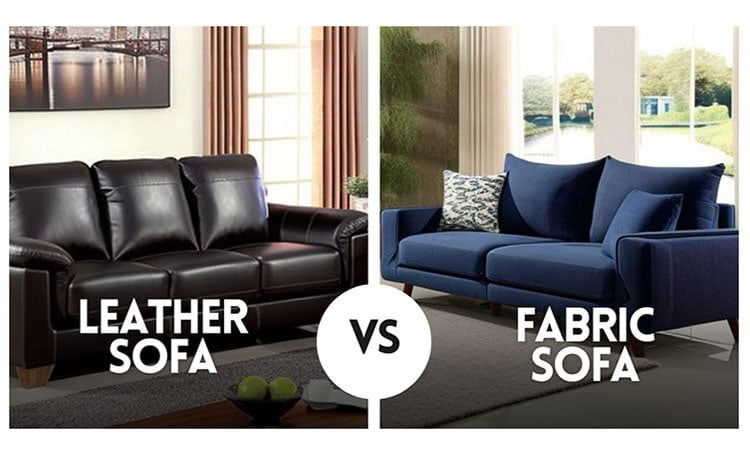
Leather and high-performance fabric each bring distinct strengths — the right choice depends on your household’s real daily habits, not just aesthetic preference.
Fabric Durability at a Glance — Double Rub Count Comparison
| Material | Double Rubs | Notes |
| Olefin / Polypropylene | 50,000+ | Bleach-cleanable, mildew-resistant, UV-stable. The top performer for active households. |
| Microfiber | 25,000–50,000 | Soft, stain-resistant, easy to clean. The family-friendly everyday champion. |
| Canvas / Duck Cloth | 15,000–30,000 | Tight plain weave, machine-washable. Casual yet tough. |
| Wool Blend | 20,000–40,000 | Naturally flame-resistant, repels moisture, ages gracefully. |
| Full-Grain Leather | Lifetime+ | Develops patina with age. The single longest-lasting couch surface available. |
| Velvet / Silk | 3,000–10,000 | Beautiful but delicate. Best for low-traffic decorative pieces only. |
4. Canvas and Duck Cloth — Rugged Simplicity
Canvas is one of the oldest durable furniture fabrics in existence, and it earned that reputation honestly. A plain-weave cotton or cotton-blend canvas fabric is thick, tight, and surprisingly resistant to tearing and abrasion. Duck cloth—a heavier, denser version of canvas—is even tougher. Many canvas slipcovers are machine-washable, solving one of the biggest headaches of upholstered furniture ownership and dramatically extending any piece’s practical lifespan.
5. Wool Blends — Natural Durability with Class
Wool is naturally fire-resistant, moisture-wicking, and remarkably resilient under pressure. Its fibers contain a natural crimp that allows them to spring back into shape after compression—exactly what you want in an upholstery material that gets sat on constantly. Wool blends—typically wool mixed with nylon or polyester—are a strong contender for most durable sofa fabric with warmth, texture, and longevity in equal measure. Wool naturally resists staining due to its lanolin content and doesn’t pill as aggressively as cheaper synthetics.
What Are the Most Durable Fabrics — And Which Should You Avoid?
Understanding what are the most durable fabrics is only half the equation. It’s equally important to know which materials look gorgeous but wear out fast—so you don’t make an expensive mistake chasing aesthetics without considering longevity.
Fabrics to Avoid for High-Traffic Areas
- Pure silk: Degrades rapidly under UV light and is almost impossible to clean without professional help. Reserve for decorative accent pieces only.
- Loosely woven linens: Natural linen has a beautiful texture, but loose weaves snag, pill, and wrinkle easily under daily use.
- Velvet (standard grade): Standard velvet crushes, marks easily, and attracts pet hair aggressively. Performance velvet is a different and more durable story.
- Bonded leather: Often marketed as leather but actually a thin polyurethane coating over fabric. Peels and cracks within a few years and cannot be repaired.
- Chenille: Soft and visually rich, but the looped pile construction makes it vulnerable to snagging—especially in households with pets.
What Is the Most Durable Material for Couches in Pet-Friendly Homes?
The top picks for pet-friendly households for what is the most durable material for couches, recommended by veterinarians and interior designers alike, are:
- Olefin/Polypropylene — Resists moisture; cleans with bleach solution if needed
- Microfiber (tightly woven) — Hair slides off easily and stains wipe clean
- Performance Velvet — Engineered to resist snags and repel liquids
- Crypton Fabric — Stain and moisture resistance embedded directly into the fiber structure
- Genuine Leather — Hairs don’t embed; claw marks can sometimes be buffed out on distressed leathers
| Pro Tip: When shopping for most durable couch fabric in pet households, always ask for the double rub count AND check whether the fabric is bleach-cleanable. Bleach-safe fabrics give you a sanitation option that most upholstery simply can’t offer. |
The Rub Count Truth: How to Read Fabric Durability Labels
Most furniture retailers don’t advertise double rub counts—you often have to ask. But this single number tells you more about a sofa’s real-world lifespan than any marketing copy ever could. Here’s a quick reference for understanding fabric durability ratings:
| Double Rubs | Classification | Ideal Use | Lifespan | Rating |
| Under 9,000 | Light Duty | Decorative / rarely used | 2–4 years | ● |
| 9,000–15,000 | Medium Duty | Bedrooms, guest rooms, occasional use | 4–7 years | ●● |
| 15,000–25,000 | Heavy Duty | Living rooms, family rooms | 7–12 years | ●●● |
| 25,000–50,000 | Extra Heavy Duty | High-traffic family spaces, pets | 10–15+ years | ●●● |
| 100,000+ | Commercial Grade | Hotels, offices, restaurants | 15–25+ years | ●●● |
This table alone could save you thousands of dollars in premature furniture replacement costs. The next time you’re in a furniture store, ask the salesperson for the fabric’s double rub count. If they can’t answer, that’s a red flag. Every reputable manufacturer tests and knows this number.
Most Durable Fabric for Sofa: How to Match Material to Your Life
Choosing the right most durable fabric for sofa in your home means honestly evaluating how you actually live, not how you aspire to live. A linen sofa might look perfect on your Pinterest board, but if you have three kids and a golden retriever, it’s going to look worn within a year.
For Young Families
Prioritize microfiber or olefin. Look for fabrics with a double rub count above 30,000 and specifically check for stain-resistant finishes like Scotchgard or Teflon treatment. Avoid light colors regardless of fabric type—the most durable fabrics for upholstery still show stains more on white than on charcoal.
For Empty Nesters and Low-Traffic Homes
This is where you can expand your options. Wool blends, performance velvet, and even genuine leather become genuinely practical choices when the household is quieter. Aesthetics can take a larger role in the decision because raw durability becomes less critical.
For Renters and Short-Term Situations
Canvas slipcover sofas are remarkably practical. They offer real durable couch material performance with the added bonus of being removable and washable—an elegant solution when permanence isn’t the goal.
For Formal Living and Entertaining Spaces
Performance versions of traditionally delicate materials—performance velvet, silk-look polyester—give you the luxury aesthetic without the fragility of the natural version. Look for blended fibers: a polyester-nylon blend that mimics silk can have a double rub count above 20,000 while looking genuinely sumptuous.
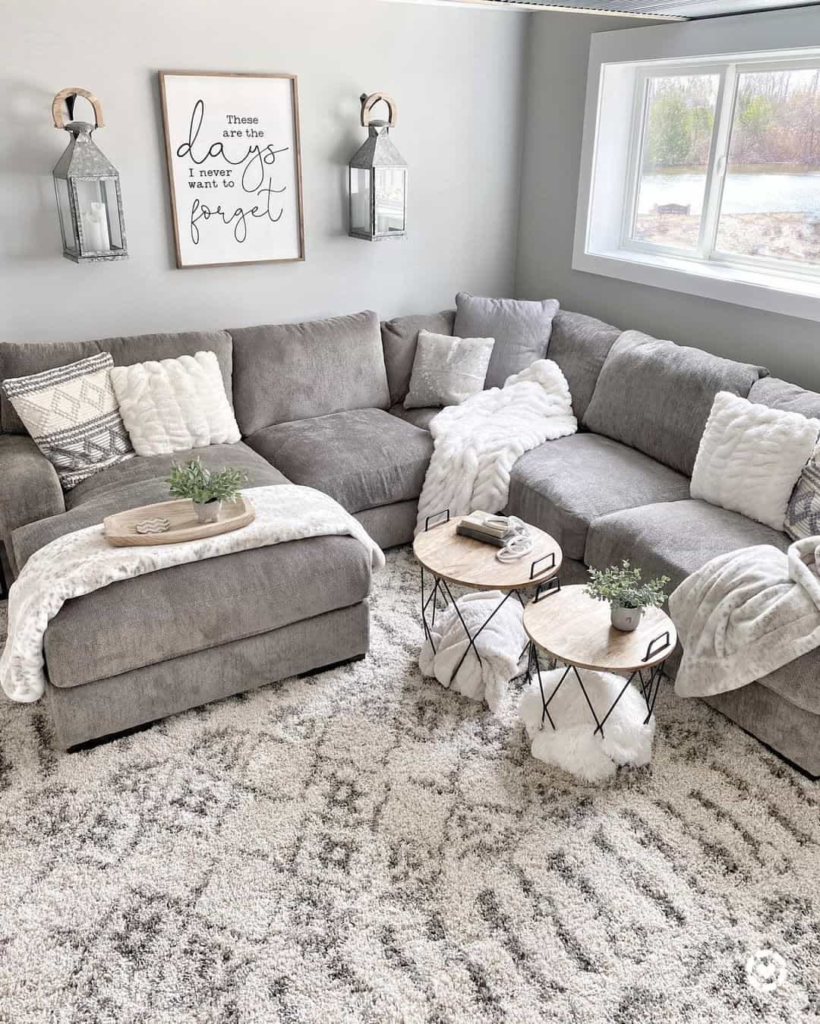
Microfiber sofas have become the go-to solution for families who want comfort and durability without sacrificing style or breaking the budget.
Durable Upholstery Fabric for Sofa: The Role of Weave and Fiber Construction
Two sofas can use the same fiber—say, polyester—and behave completely differently based on how that fiber is woven. Understanding basic weave structures helps you identify most durable upholstery fabric for sofa options even when you don’t have access to technical data sheets.
Plain Weave (Tightest and Toughest)
The simplest over-under weave pattern produces the most resilient fabric. Canvas and many microfiber fabrics use this structure. Because every thread is interlocked with every other thread, there’s no weak point where a snag can unravel a large section of fabric.
Twill Weave (Balanced Performance)
Recognizable by its diagonal pattern, twill weave is used in denim—which tells you a lot about its strength. It’s slightly softer than plain weave with only marginally less durability, making it an excellent choice for durable fabrics for upholstery that need to balance toughness with a softer hand feel.
Pile Weave (Beautiful but Higher Maintenance)
Velvet, corduroy, and chenille are all pile weaves—fabrics where loops or cut fibers stand up from a base structure. These fabrics look and feel luxurious, but the pile is inherently more vulnerable to crushing, snagging, and directional marking. Performance versions have made significant strides in recent years, but still require more careful maintenance.
What Couch Material Lasts the Longest? An Honest Ranking
When evaluating what couch material lasts the longest across real-world use scenarios, here is the ranking that holds up consistently:
- Full-grain genuine leather — With regular conditioning, it outlasts every fabric option. Period.
- Olefin / Polypropylene — The most durable synthetic fabric, with virtually no peer for resistance to staining, moisture, and fading.
- Microfiber (tightly woven, performance grade) — The best all-around performer for households that need durability plus comfort.
- Wool blends — Natural resilience, fire resistance, and beautiful aging characteristics.
- Canvas / Duck cloth — Exceptional durability, especially in slipcover form where washing is possible.
- Performance velvet — Luxury appearance with significantly enhanced durability.
- Standard linen blends — Decent durability with casual elegance, best in tightly woven versions.
| Remember: The most durable couch fabric is the one that’s right for your household. A full-grain leather sofa is technically the longest-lasting material, but it’s the wrong answer for a household with three cats. Know your lifestyle, then pick accordingly. |
Care and Maintenance: Making Any Durable Fabric Last Even Longer
Even the toughest material needs proper care to reach its maximum lifespan. Here are the maintenance habits that interior designers and upholstery professionals consistently recommend:
- Rotate cushions weekly — Distributes wear evenly and prevents permanent compression in one spot.
- Vacuum regularly — Removes abrasive dust and debris that grinds into fibers during use. Even the most durable sofa fabric degrades faster when grit is embedded in the weave.
- Treat spills immediately — Blot (never rub) spills within seconds. Rubbing spreads the stain and pushes liquid deeper into the fiber structure.
- Keep out of direct sunlight — UV radiation fades and weakens every fabric type, including synthetics.
- Condition leather annually — Leather that isn’t conditioned dries out and cracks. Use a purpose-made leather conditioner twice a year.
- Use arm covers and throws strategically — The arms of a sofa experience the most friction and oil from human contact. Arm covers protect this vulnerable zone without sacrificing aesthetics.
- Professional cleaning every 1–2 years — Removes embedded dirt that home vacuuming misses, extending the functional life of any upholstery significantly.
Frequently Asked Questions
What is the most durable furniture material for families with young children?
For families with young children, microfiber and olefin (polypropylene) are consistently the top recommendations. Both offer high double rub counts (25,000–50,000+), resist staining, and clean easily with water or mild soap. Olefin’s bleach-cleanable property makes it especially valuable in households where sanitation matters. For frame construction, kiln-dried hardwood paired with eight-way hand-tied springs provides the structural durability to match the surface fabric.
What is the most durable sofa fabric for homes with pets?
The most durable sofa fabric for pet owners is olefin or performance microfiber. Both resist claw marks better than most fabrics, repel pet hair effectively, and can handle moisture and odors that come with pet ownership. Crypton-treated fabrics are also worth considering—they embed stain and moisture resistance at the fiber level. Avoid velvet, chenille, and loosely woven linens, which trap pet hair and snag on claws.
What couch material lasts the longest overall?
Full-grain genuine leather lasts the longest of any couch material—often 20 to 25 years with proper conditioning and care. It develops a rich patina with age and can actually look better after a decade than it did when new. Among fabric options, olefin and high-performance microfiber lead in longevity for active households, typically lasting 10 to 15 years or more under normal conditions.
Is microfiber the most durable upholstery fabric?
Microfiber is one of the most durable upholstery fabric options for residential use, but it isn’t the absolute leader. Olefin surpasses microfiber in moisture and stain resistance, and genuine leather outlasts both in raw longevity. However, microfiber offers the best combination of durability, comfort, ease of cleaning, and affordability—which is why it’s often the first recommendation for busy family homes.
How do I know if a sofa fabric is truly durable before buying?
Ask the retailer or manufacturer for the double rub count. For residential use, aim for a minimum of 15,000 double rubs; for heavy-use households, look for 25,000 or above. Also check the fiber content label and whether the fabric has any stain-resistant treatment applied. A knowledgeable retailer should be able to provide all of this information without hesitation.
What is the most durable couch material for a small apartment?
In a small apartment where the sofa is used daily for everything from working to sleeping, you want the highest double rub count you can afford. Performance microfiber or olefin in a dark or medium tone is ideal. Consider a sofa with removable, washable cushion covers—this dramatically extends the life of the piece by allowing you to clean it thoroughly rather than just surface wiping.
Are natural fibers less durable than synthetic ones for sofas?
Generally, yes—synthetic fibers outperform natural ones in raw durability metrics. However, wool is a natural fiber with exceptional durability, fire resistance, and longevity. Genuine leather, while not a fabric, is also natural and outlasts most synthetics. The real issue is with delicate natural fibers like silk, standard linen, and loosely woven cotton, which genuinely underperform compared to polyester, nylon, or olefin blends.
What is the best durable fabric for a sofa in a sunroom or bright room?
For furniture exposed to significant natural light, olefin (polypropylene) has exceptional UV stability. Solution-dyed acrylic fabrics—the same material used in outdoor furniture—are another excellent option. These fabrics have color dyed directly into the fiber rather than applied on the surface, meaning the color doesn’t fade even under prolonged sun exposure. Both are outstanding choices as best durable fabric for sofa in bright rooms.
How does fabric durability affect sofa cost over time?
A $2,000 sofa upholstered in a high-durability fabric that lasts 15 years costs roughly $133 per year. A $900 sofa in a low-durability fabric that needs replacing after four years costs $225 per year—nearly double. This is why designers often recommend spending more on durable furniture fabric upfront: the long-term cost per year of ownership is almost always lower with quality materials, even when the initial price tag is higher.
Making the Choice That Lasts
Shopping for furniture is one of those decisions that feels simple on the surface—you pick something that looks nice and fits the budget—but carries real long-term consequences. The fabric you choose today will either reward or frustrate you every day for the next decade. Knowing what is the most durable furniture material for your specific household removes the guesswork and puts you firmly in control of that outcome.
If you take nothing else from this guide, take this: ask for the double rub count before you commit to any fabric. Choose olefin or microfiber for active, pet-friendly households. Invest in genuine leather if you’re playing the long game on longevity. And always prioritize real-world performance over showroom aesthetics—your future self, surrounded by furniture that still looks great five years from now, will thank you for it.
Whether you’re choosing most durable couch fabric for a growing family or selecting refined most durable upholstery fabric for a formal living room, the right information makes all the difference. Now you have it. Go find furniture that’s built to last.