

Most people don’t think about a utility sink until the day they badly need one. A paint roller that won’t fit under the bathroom tap. A muddy dog. A pair of work jeans that shouldn’t go near the washing machine.
That’s when the kitchen sink starts to feel wrong. Too shallow, too shared, too nice to ruin.
This guide walks through how to choose, place, and install a laundry tub that suits your actual house, not a showroom. You’ll find sizing numbers, plumbing realities, material trade-offs, and the mistakes that tend to show up after the sink is bolted down.
What a Laundry Tub Does That Your Kitchen Sink Can’t
The difference comes down to depth, durability,y and permission. A laundry tub is usually deeper than a kitchen basin, so a bucket, a boot or a soaking sweater fits without splashing the wall.
It also forgives abuse. Brush rinsing, garden soil, bleach water and stain soaking won’t make you wince.
Permission matters more than people admit. Nobody has to scrub a kitchen basin after you’ve rinsed a paintbrush in it.
Typical jobs for a wash sink include:
- Hand-washing delicates and soaking stained clothes
- Rinsing brushes and rollers (water-based paint only)
- Cleaning tools and filling mop buckets
- Potting plants and rinsing garden produce, which pairs well with the soil basics in our potting soil guide
- Bathing a small dog or washing muddy paws
If you mostly do laundry, you’ll love it. If you mostly do projects, you’ll love it more.
Four Questions That Decide Everything

Before you open a single product page, answer these four questions. They narrow the field faster than any “best of” list.
Where is the nearest drain? A sink needs a trap and a connection to a drain line. The farther it sits from existing pipes, the more the project costs.
Is there hot and cold water close by? Many laundry rooms already have both for the washer. A garage might have only cold, or none at all.
Can the wall carry the weight? Water weighs about 8 pounds per gallon. A basin filled with 15 or 20 gallons plus the sink itself is a serious load.
Is the drain above or below the sewer line? In a basement, the answer decides whether gravity does the work or a pump has to.
Write those answers down. Everything below gets easier once you know them.
Wall-Mounted, Freestanding, Drop-In or Undermount
The mounting style shapes the cost, the look, and the abuse the sink can take. Here’s the practical version.
Wall-mounted. Saves floor space and makes cleaning underneath easy. It needs solid blocking inside the wall, not just drywall and hope. Skip it if you can’t open the wall or don’t know where the studs are.
Freestanding. The workhorse for garages and workshops. Legs carry the load, leveling feet fix uneven floors, and a freestanding utility sink is the easiest style to move later. It looks more industrial, which is fine in a garage and less fine in a pretty laundry room.
Drop-in (top-mount). Sits in a cabinet or counter cutout with the rim resting on top. It’s forgiving to install and familiar to anyone who has dropped a kitchen sink into a counter.
Undermount. Cleaner lines and easy wiping, but it needs a solid countertop, so it only makes sense when you’re already building cabinetry. It’s pricier and less forgiving of mistakes.
A utility sink with cabinet is the compromise many homeowners end up loving. You get storage for detergent and cleaning supplies, and the whole thing looks like furniture. It costs more and takes more floor space, but it hides the mess, and our laundry room cabinet guide shows how to plan the surrounding storage.
Plastic, Stainless, Cast Iron or Composite
Material decides how the sink sounds, ages, and takes a beating. Here’s how the main options behave in real use.
Plastic (thermoplastic or polypropylene). Light, cheap,p and immune to rust. It’s the easy DIY pick for a garage or workshop. The catch: it can flex when full if the stand is flimsy, and it scratches. Check the manufacturer’s hot-water rating before you pour a kettle into it.
Stainless steel. Tough and easy to sanitize. Gauge matters, and a lower number means thicker steel. Thin steel dents and rings like a drum, so look for heavier gauge and sound-deadening pads underneath. It shows water spots, but that’s cosmetic.
Enameled cast iron or fireclay. Heavy, glossy,sy and nearly indestructible. It also demands strong support, and the enamel can chip if you drop a wrench. It’s lovely in a farmhouse-style laundry room and overkill in a garage.
Composite or acrylic. Quiet, chip-resistant, and good-looking, with a price to match. It suits a laundry room you want to show off.
Worried about scratches in whichever material you pick? Our guide to fixing scratches on wood covers the cabinet around it, and the principles in the durable furniture materials guide carry over to a laundry room that takes daily abuse.
Size and Height: Getting the Numbers Right
Sizing mistakes are the most common reason people return a sink. A few ranges help, though your own measurements always win.
| Measurement | Typical range | Why it matters |
|---|---|---|
| Width (single bowl) | About 20 to 30 inches | Must fit between cabinets, washer or wall |
| Double bowl width | About 40 inches and up | Needs real wall or floor room |
| Basin depth | Often 10 to 14 inches (kitchen sinks are commonly 8 to 10) | Buckets and big loads fit without splashing |
| Rim height | Roughly 34 to 36 inches for most adults | Back-friendly, similar to a counter |
| Faucet clearance | At least the height of your tallest bucket | Many standard buckets are around a foot tall |
In a tight corner, a compact wall-mounted basin around 18 to 20 inches wide often beats a full-size tub. The same space-saving logic runs through our small bathroom vanity guide.
Stand next to the proposed spot and mime scrubbing a bucket. If your elbows hit a wall, you need a smaller sink.
Faucets That Make a Wash Sink Actually Usable
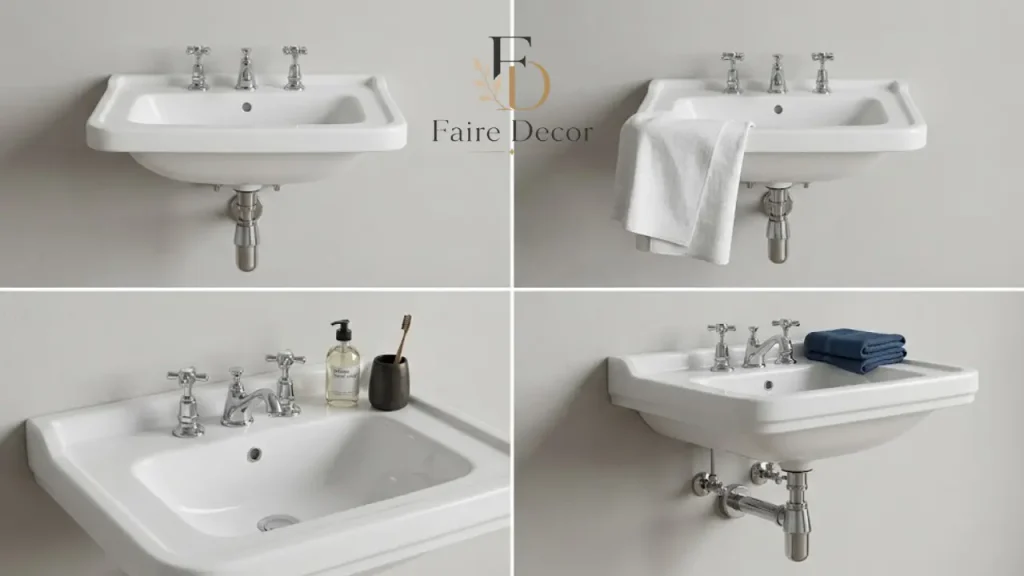
A good utility sink faucet does three things. It reaches the bucket, it survives dirty hands, and it fits the holes your sink actually has.
A high-arc gooseneck gives room under the spout. A pull-down sprayer helps with big basins and dog baths. A hose-thread spout lets you attach a hose for filling a mop bucket or a planter.
Check the sink’s pre-drilled holes before buying. Some are single-hole, others need centerset or widespread spacing, and a mismatch means a return.
Lever handles beat knobs when your hands are covered in paint or dirt. And if there’s no hot water at the spot, a cold-only faucet is perfectly fine.
Garage, Basement or Laundry Room: Where It Lives Changes the Plan
The same sink behaves very differently depending on the room.
Laundry room. The easiest case. Hot and cold lines are usually nearby, and the drain is already there. Pair the sink with storage like an over-washer-and-dryer shelf so supplies stay in reach without eating floor space.
Garage. A garage utility sink has one enemy, which is freezing. Supply lines in an uninsulated wall can burst in a cold snap. Insulate the pipes, install shut-off valves you can reach, and drain the lines before winter if the space isn’t heated. If you’re building storage around it, built-in cabinets can frame the sink without crowding the floor.
Basement. Here the drain often sits below the main sewer line, so gravity won’t carry the water away. A laundry pump or small ejector system lifts it up and out, and a plumber should handle that install. Moisture-friendly flooring also helps, as covered in our basement LVP flooring guide.
Planning a wet bar in the same basement? Run the numbers on both fixtures together using the DIY basement bar guide, because sharing a drain run can save real money.
Mudroom or pet-wash corner. Pick a compact basin with a sprayer, and mind the splash zone and the floor underneath.
Three Situations, Three Different Answers
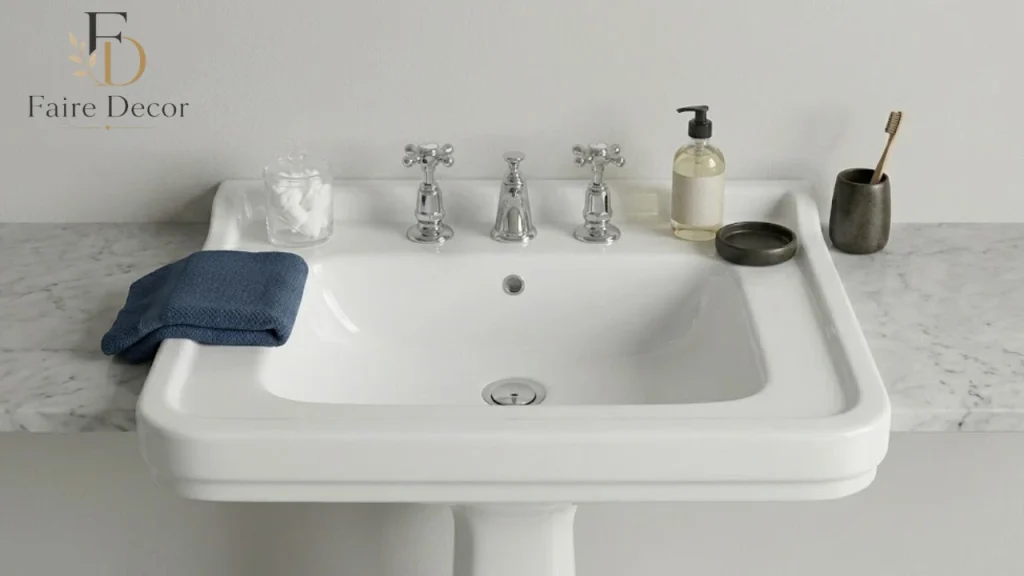
Numbers only help when you can picture them in a real room. Here are three hypothetical setups and how the logic plays out.
A basement laundry corner. Imagine a finished basement where the washer drains into a standpipe and the main sewer line sits higher than the floor. The basin needs a pump, so the choice narrows to models that suit one, and a plumber’s visit goes on the budget before anything else.
A cold-climate garage. Picture a detached garage with a single cold tap and no insulation. A plastic freestanding tub, insulated supply lines and a winter shut-off routine make sense. Spending on stainless or cast iron would be wasted on a space that freezes.
A laundry closet. Imagine a closet about five feet wide holding a stacked washer and dryer. A full-size basin won’t fit, but a compact wall-mounted model beside it might, as long as the wall has blocking and the faucet can clear a small bucket.
In each case, the room made the decision, not the catalog.
Beyond Laundry: Pet Wash, Potting and Workshop Use
The same basin can serve very different habits, and each one asks for something slightly different.
Pet wash. A standard rim height strains your back over a wet dog. Consider a lower mount or a floor-level tub, add a non-slip mat, and use a hair catcher in the drain so fur never reaches the trap.
Potting and gardening. Soil is the enemy of a drain. Use a fine drain screen, rinse pots over a bucket so the soil settles, and bin the sediment rather than flushing it.
Workshop. Metal shavings, resin, sin, and solvents don’t belong in the plumbing. Keep a separate bucket for dirty rinse water and dispose of it properly.
Matching the sink to the habit saves more trouble than any feature on a spec sheet.
Installation: What You Can Do Yourself and Where to Call a Plumber
Here’s the honest line. Swapping a sink onto existing supply and drain connections is a reasonable weekend project. Running a new drain, adding a vent, or installing a pump is not.
That’s where utility sink installation crosses from DIY into licensed-plumber territory. Many areas require a permit and inspection for new drain or vent work, so check local code before you cut anything.
If you’re replacing or adding a sink on existing lines, the sequence runs like this:
Test-fit the sink and mark the wall or floor positions.
Assemble the stand or mount the basin, and level it.
Install the faucet before the sink is fully set, because it’s far easier to reach.
Connect the trap and drain. Laundry sinks typically use a 1½-inch drain, with the right slope toward the line.
Connect hot and cold supply lines through shut-off valves.
Run water, check every joint, then check again after a few hours.
Seal the back edge with caulk and let it cure before use.
Call a pro if you’re cutting into a cast iron stack, adding a vent, installing a pump, or aren’t sure what code requires. For finding help, our guides to handyman services and vetting local contractors are a good starting point.
Accessories That Earn Their Place
The basin is only half the setup. A few extras turn it from a tub into a working station.
A sink grid or rack keeps heavy items off the bottom and away from the drain. A drainboard or fold-down shelf gives wet brushes and delicates somewhere to rest.
A soap dispenser beside the faucet saves wet hands from fumbling with bottles. Task lighting matters more than people expect, because basements and garages tend to be dim.
An outlet near water should be GFCI protected, and electrical work should follow local code or go to an electrician. Wall hooks or a pegboard keep mops and brushes off the floor.
If you’re building a cabinet surround, our modern kitchen cabinets guide is a useful reference for finishes and hardware that hold up to moisture.
What It Costs
Published cost estimates disagree widely, so treat any single number with suspicion.
Basins themselves commonly run from roughly $100 to $350. Faucets often add $40 to $120, and plumbers are frequently billed somewhere around $50 to $150 an hour, depending on the region.
The real swing comes from the plumbing. A swap onto existing lines is modest. A new drain run, a vent, a pump, custom cabinetry or a permit can double or triple the total.
Get two or three quotes, and ask each plumber to itemize labor, parts and permits.
Mistakes That Cost People a Weekend
Buying the sink before checking where the drain actually is. That’s the classic.
Hanging a wall-mounted basin on drywall alone. A full tub of water is heavy, and the wall needs real blocking behind it.
Picking a faucet that can’t clear a bucket. It sounds trivial until you’re tilting a mop bucket sideways under it.
Choosing an undermount without a countertop. It simply won’t work.
Setting a freestanding tub on a sloping garage floor without adjusting the feet. Water pools at one end and the stand racks over time.
Skipping the vent. Slow drains and gurgling are often a venting problem, not a clog.
Keeping It Clean and Clog-Free
A laundry tub gets abused, so a few habits go a long way.
Wipe excess latex paint from brushes before rinsing. Keep oil-based paint and solvents out of the drain entirely, and take them to a hazardous waste drop-off.
Plaster, grout, and joint compound settle and harden in pipes. Let them settle in a bucket, then bin the solids.
Flush with hot water after dirty jobs. Clean stainless with a soft cloth, never steel wool. And don’t mix bleach with ammonia-based cleaners.
A Quick Checklist Before You Click Buy
Run through this once, and most of the regrets disappear.
Do you know exactly where the drain and vent are?
Is there hot and cold water at the spot, or only cold?
Can the wall carry a full basin, or will you need a freestanding model?
Is the drain above or below the sewer line?
Does the basin depth suit your biggest bucket?
Does the faucet match the sink’s pre-drilled holes?
Will the room freeze in winter?
Do you know whether your area needs a permit?
If you can answer all eight, you’re ready to shop.
Quick Answers
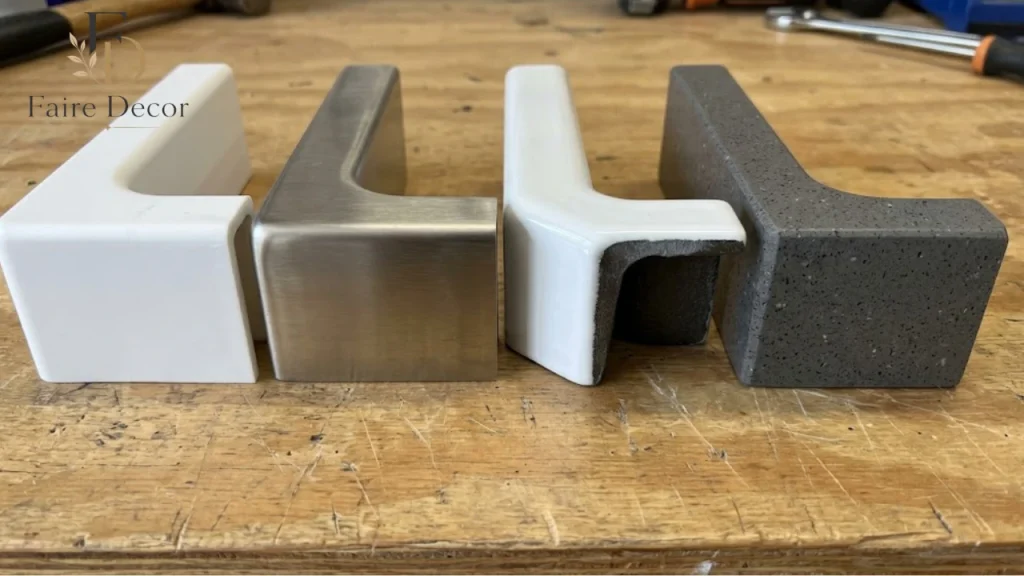
What is a laundry sink used for? It handles messy or oversized jobs that don’t belong in a kitchen or bathroom, like soaking stains, rinsing brushes, potting plants, washing tools, and bathing small pets. Its deeper basin and tougher build make cleanup easier.
Does a laundry sink need a vent? Generally yes. Plumbing codes expect fixture traps to be vented so water drains smoothly, though methods vary by region. Check your local code or ask a licensed plumber.
Can I install a wash tub myself? If you’re connecting to existing supply and drain lines, many homeowners can. New drain, vent or pump work usually calls for a licensed plumber, and sometimes a permit.
How deep should a laundry sink be? Many run 10 to 14 inches deep, deeper than most kitchen sinks. Pick the depth based on your biggest bucket or soak-load, not the catalog photo.
What height should the rim be? Most adults find a rim between roughly 34 and 36 inches comfortable. Adjust for the main users’ height and whether you’ll lean over it for long.
Can a laundry sink drain into the washing machine standpipe? Sometimes, if the setup is properly trapped and vented and local code allows it. Because this is easy to get wrong, ask a plumber before you try.
What if there’s no drain nearby? A laundry pump or small ejector basin can lift water to a higher drain. It’s a job for a plumber, but it makes a basement or remote spot workable.
Where to Start
Measure the drain, the water lines and the wall. Pick your location first, then the mount style, then the material, and only then the faucet.
Do it in that order and the right utility sink tends to reveal itself. Skip the order, and you’ll end up returning a very large box.
FAQs:
Is a plastic utility tub good enough?
For light to medium use, yes. Choose a rigid model with a sturdy stand, and check the hot-water rating.
How much weight can a wall-mounted laundry sink hold?
It depends on the model and the wall. Follow the manufacturer’s rating, and never mount into drywall alone.
Do I need a cabinet?
No. A cabinet adds storage and hides pipes, but wall-mounted and freestanding sinks work fine without one.
Can I use a laundry sink outdoors?
Only if the model, plumbing, and freeze protection are built for it. Cold climates need winterizing.